Chiang Mai dining hotels for solo travelers who plan every meal first
Chiang Mai dining hotels matter when your itinerary is built around lunch and dinner. In this compact city, the right base puts you between a steaming bowl of khao soi at Huen Phen and a refined plate at David’s Kitchen without wasting a single baht or minute on long rides. For a solo explorer, staying near the old town walls or the Ping River means you can walk from pool to restaurant table in under ten minutes, or reach most central eateries by a short 5–15 minute ride.
The city centre concentrates many of the best Chiang Mai dining hotels, from U Chiang Mai and De Chai Colonial Hotel & Spa inside the moat to 137 Pillars House and Meliá Chiang Mai closer to the river. These properties understand that dining is not an add on but the main event, so their kitchens, lounges and every bar are designed as extensions of the street food culture outside. When you book, check whether breakfast or lunch service includes northern Thai dishes such as sai ua sausage and nam phrik noom chilli dip, not only international standards.
Several Chiang Mai dining hotels now lean into wellness and plant forward cuisine, echoing the broader Thai hospitality shift toward mindful travel. Away Chiang Mai Thapae Resort, for example, runs a vegetarian, mostly vegan kitchen yet still connects guests to nearby northern Thai street stalls for those who want to learn how locals really eat. As one local guide put it in early 2024 with practical clarity, “Verify dining options before booking,” and confirm current menus directly with the hotel because concepts, chefs and opening hours can change within a single season.
Northern Thai cuisine fundamentals around the old town
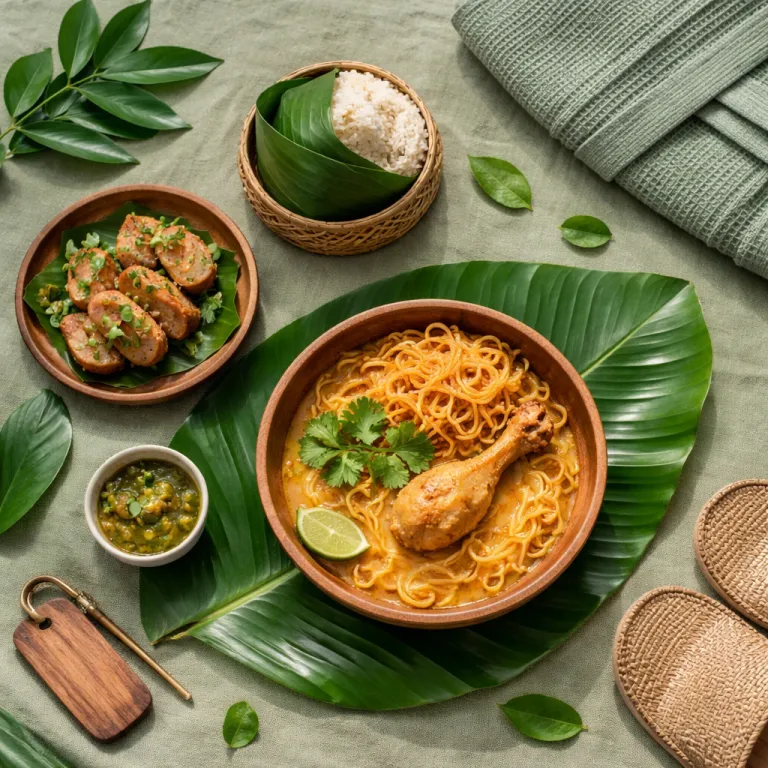
Northern Thai cuisine is built for cool evenings and slow conversations, which suits solo travelers who like to linger at a bar or communal table. Start with khao soi, the coconut curry noodle soup that anchors many Chiang Mai hotel dining menus and appears at humble shophouses like Huen Phen for lunch only, typically from late morning until mid afternoon. The spice is gentle by Thai standards, yet you should still learn how to ask for phet noi, or less spicy, if you are easing into the region’s chilli heat.
Huen Phen sits inside the old town at 112 Ratchamanka Road and is best reached on foot from hotels such as U Chiang Mai, Duangtawan Hotel Chiang Mai or the budget friendly B2 Resort, all of which offer their own restaurants but cannot replicate Huen Phen’s lunchtime chaos. From most old town properties, expect a 5–10 minute walk or a 2–3 minute songthaew ride. Arrive before 11:30 a.m., reserve a table if your hotel can call ahead, and expect to share space with families, monks and office workers. This is where Chiang Mai dining hotels earn their keep, because a concierge who eats here weekly will steer you toward the right kitchen specials and away from the tourist only dishes.
Beyond khao soi, look for sai ua grilled sausage, sticky rice, and nam phrik ong tomato chilli relish, which appear both at street stalls and on refined menus at Chiang Mai dining hotels such as 137 Pillars House. Many properties now run short cooking classes where you can learn to balance herbs, fermented ingredients and charcoal smoke in northern Thai recipes. For deeper context on how Thai cuisine is evolving in hotel kitchens, read about Bangkok’s quiet hotel kitchens and the chefs reshaping Thai fine dining, then compare what you taste in Chiang Mai.
From Huen Phen to Ginger Farm Kitchen and David’s Kitchen
Planning your stay around Huen Phen, Ginger Farm Kitchen and David’s Kitchen keeps your Chiang Mai dining hotels strategy tight and walkable. Huen Phen is your lunch anchor, a place where the kitchen still feels like a family operation and the décor leans more toward amulet shop than design statement. Expect to queue, then slide into a wooden chair at a shared table and order khao soi, a northern Thai curry, and a plate of boiled greens with nam phrik noom; a typical meal here remains affordable, often under 200–300 THB per person as of 2024.
Ginger Farm Kitchen, with branches near the old town and in modern malls, brings a farm table sensibility to northern Thai and Thai international dishes, using ingredients sourced from nearby fields. It is where western influenced plating meets rice grown within a short drive, and where solo travelers can sit at the bar or in open air corners and watch families share clay pot curries. David’s Kitchen, by contrast, leans toward French and Italian cuisine with Thai accents, making it the Chiang Mai dining hotels choice for a night when you want a tasting menu, advance reservations and a serious wine list, with prices that reflect fine dining.
Staying at 137 Pillars House or Raya Heritage positions you close enough to reach David’s Kitchen by a short 10–15 minute ride while still enjoying tranquil pool courtyards and refined afternoon tea rituals. These hotels understand that a solo guest might prefer private dining one night and a lively lounge the next, so they design flexible spaces rather than forcing you into formal restaurant seating. When you book, ask about any links they have with local culinary schools or cooking studios, because some properties quietly arrange market tours and hands on cooking sessions that never appear on the website.
Sunday Walking Street, street food strategy and where to sleep nearby
The Sunday Walking Street turns the old town into one long open air dining room, which is both thrilling and overwhelming for a solo traveler. Stalls selling grilled chicken, northern Thai sausages, coconut pancakes and herbal drinks line the streets, while the smoke drifts up toward the silhouettes of Doi Suthep in the distance. To make sense of it, treat the evening as a progressive dinner rather than a single meal, and let your Chiang Mai dining hotels location guide your route through the crowds.
Base yourself at Tamarind Village or U Nimman Chiang Mai if you want to walk straight from your pool to the market without negotiating long rides. These Chiang Mai dining hotels offer calm courtyards, a pool bar or lounge for a pre market drink, and staff who can point you toward the stalls they actually visit on their nights off. Ask them where to find the best sai ua, which mango sticky rice vendor uses fragrant rice, and which deep fried snacks to skip because they sit too long under the heat lamps.
After grazing through the Walking Street, you may appreciate the quieter, more controlled flavors back at your hotel restaurant or bar. Properties like Duangtawan Hotel Chiang Mai and Dusit Princess Chiang Mai provide reliable Thai and international menus, so you can end the night with a light soup or a plate of fruit by the pool. For a broader look at how Thai hotels are reframing indulgence and wellness, the analysis of healing as the new luxury in Thai hospitality helps explain why even street food heavy evenings now sit comfortably inside a wellness focused itinerary.
Choosing chiang mai dining hotels with serious kitchens, bars and pools
Not all Chiang Mai dining hotels are created equal, especially if you care as much about the kitchen as the pool. At the top end, 137 Pillars House, Veranda High Resort Chiang Mai and Khum Phaya Resort & Spa treat their restaurants, lounges and every bar as destinations in their own right. You will find Thai cuisine, northern Thai specialties and international comfort dishes on the same menu, but the best properties still source ingredients from nearby farms rather than anonymous suppliers.
Meliá Chiang Mai, De Chai Colonial Hotel & Spa and Spice House represent a strong middle tier of Chiang Mai dining hotels, with multiple restaurants, a sky bar or pool bar and often a café style lounge for breakfast and lunch service. These hotels suit solo travelers who want to alternate between Thai, Chinese and Italian cuisine without leaving the property on some days. When you book, look for clear information on menus, whether they offer afternoon tea, and if any venues have been mentioned by respected dining guides in the broader Chiang Mai section, as recognition can shift from year to year.
Budget conscious travelers still have options among Chiang Mai dining hotels, including B2 Resort and Darley Hotel Chiangmai, which both operate on site restaurants. Away Chiang Mai Thapae Resort stands out for its vegetarian and vegan friendly kitchen, aligning with the wider trend toward wellness oriented stays in northern Thailand. Whatever your price point, ask the hotel to reserve a table at a nearby restaurant, clarify whether prices are quoted as THB net or plus tax, and check if bar international offerings include decent wines by the glass for solo guests who prefer not to commit to a full bottle.
Bars, lounges and solo friendly dining spaces in Chiang Mai hotels
For solo travelers, the layout of bars, lounges and restaurant seating in Chiang Mai dining hotels matters as much as the menu. Look for properties where the main bar has counter seating, because this makes it easier to chat with bartenders or fellow guests without feeling exposed at a large table. 137 Pillars House, for example, balances its heritage architecture with a relaxed lounge and pool bar that feel intimate rather than showy.
Many Chiang Mai dining hotels now design their pool areas as all day social hubs, with light Thai and international snacks, cocktails and mocktails served from a bar that stays open into the evening. This suits solo guests who might prefer to eat grilled prawns, salads or a small plate of northern Thai sausage by the water instead of committing to a full restaurant dinner. When you book, ask whether the pool bar or sky bar offers happy hour pricing in THB net, and whether they can arrange private dining setups for one, such as a farm table style meal under lanterns.
Afternoon tea has also become a quiet strength of several Chiang Mai dining hotels, especially those near the river and in the old town. Here, Thai cuisine influences appear in pandan scones, coconut desserts and savoury bites alongside classic international pastries, making it a gentle way to learn local flavors without the intensity of street food. If you plan to discover Chiang Mai through its culinary scene, choose hotels where the lounge, bar international selection and restaurant teams are confident discussing cooking techniques, sourcing and the best places to discover Chiang street food beyond the property.
FAQ
Which Chiang Mai hotels offer on site dining for food focused stays ?
Many Chiang Mai dining hotels provide serious on site restaurants, including Meliá Chiang Mai, U Chiang Mai, 137 Pillars House, Duangtawan Hotel Chiang Mai and De Chai Colonial Hotel & Spa. These properties combine Thai cuisine, northern Thai specialties and international dishes, so you can alternate between street food and hotel dining. Always verify current dining options before booking, because restaurant concepts, opening hours and chefs can change.
Are there vegan friendly hotels with good dining in Chiang Mai ?
Away Chiang Mai Thapae Resort is a vegetarian, vegan friendly retreat with its own restaurant and thoughtful plant based menus. Several other Chiang Mai dining hotels now include vegan and vegetarian sections on their menus, especially in higher end properties that focus on wellness. Check sample menus in advance and ask whether the kitchen can adapt northern Thai dishes without fish sauce or shrimp paste.
How close are top dining spots like Huen Phen and Ginger Farm Kitchen to major hotels ?
Huen Phen sits inside the old town, within walking distance of U Chiang Mai, De Chai Colonial Hotel & Spa and several smaller hotels; from many central properties, the walk is around 5–15 minutes. Ginger Farm Kitchen has branches near the old town and in shopping districts, reachable by a short ride from 137 Pillars House, U Nimman Chiang Mai and Tamarind Village. Choosing Chiang Mai dining hotels in or just outside the moat keeps travel times to these restaurants under fifteen minutes in normal traffic.
Do budget hotels in Chiang Mai also have restaurants ?
Yes, some budget friendly Chiang Mai dining hotels such as B2 Resort and Darley Hotel Chiangmai operate on site restaurants. Menus are usually simple, focusing on Thai and international comfort dishes rather than elaborate tasting menus. These properties work well if you plan to eat most meals at street stalls but still want a reliable breakfast or late night snack.
Should I rely on hotel restaurants or focus on street food in Chiang Mai ?
The best approach is to combine both, using Chiang Mai dining hotels for breakfast, one or two dinners and perhaps afternoon tea, while exploring street food for lunch and market snacks. Hotel restaurants offer hygiene, air conditioning and curated versions of Thai cuisine, while markets and shophouses like Huen Phen deliver the full northern Thai experience at lower prices. Let your hotel concierge guide you toward trusted stalls and then return to the pool, bar or lounge when you want a calmer meal.