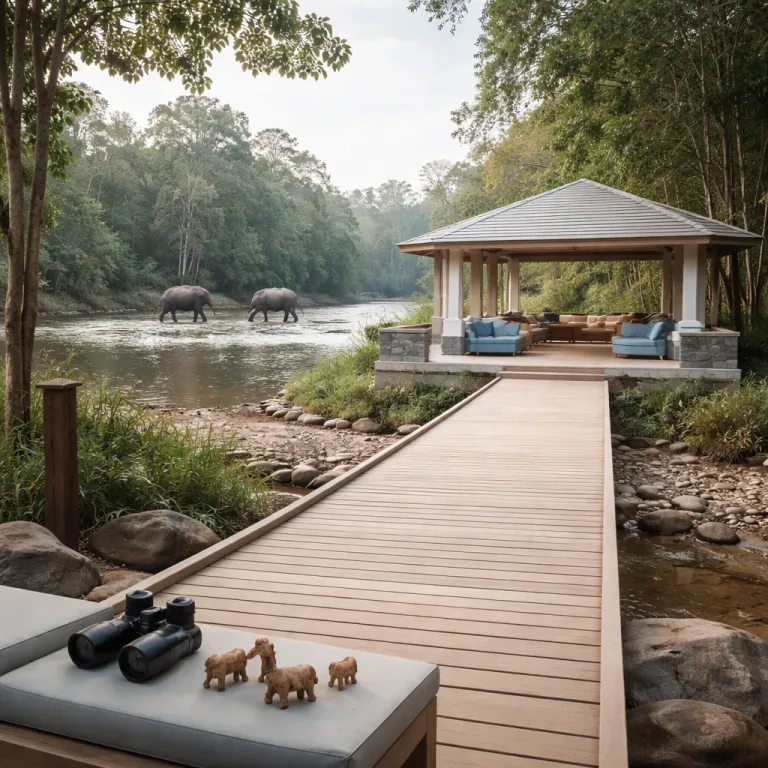
How luxury hotels in Thailand curate ethical wildlife experiences for families
Ethical wildlife encounters in Thailand now sit at the heart of premium family trip planning. Luxury concierges across the country quietly maintain shortlists of elephant sanctuaries, nature parks and marine projects that meet strict animal welfare standards, often drawing on guidance from organisations such as World Animal Protection and the Asian Captive Elephant Working Group. They know parents want their children close to elephants and other animals, yet they also want to be certain every interaction is genuinely ethical and aligned with real conservation rather than staged entertainment.
When you book a high end stay, your concierge will usually steer you away from any elephant park that still promotes elephant riding, circus style shows or forced bathing sessions. Instead, they favour operators where elephants rescued from the logging industry or street tourism live in a more natural habitat, with limited numbers of guests and clear rules about keeping a respectful distance from natural behaviour. This is where the language on the hotel activities sheet matters; look for phrases such as observation, conservation funding and ethical elephant care rather than tricks, performances or unlimited touching, and ask staff to clarify any vague wording before you commit.
Families often ask why some popular elephant sanctuaries or wildlife tours never appear on the hotel’s suggested list. The reason is simple yet rarely advertised: many venues market themselves as an elephant sanctuary or wildlife sanctuary while still chaining animals at night, allowing uncontrolled elephant bathing or pushing photo opportunities that stress already fragile rescued elephants. A seasoned concierge in Chiang Mai or Koh Samui will often have personally visited each recommended elephant park, nature park or marine project, checked how many elephants rescued from hard labour actually live there and confirmed where your THB entrance fee really goes, sometimes even sharing photos or notes from their last inspection or referring to independent welfare audits where available.
Chiang Mai’s elephant sanctuaries and the Elephant Nature Park benchmark
In northern Thailand, Chiang Mai has become shorthand for responsible wildlife tourism that families can feel proud to support. The region hosts a cluster of elephant sanctuaries, yet only a handful operate as true conservation projects rather than soft focus tourism businesses. Understanding the difference helps you choose an elephant sanctuary or wildlife sanctuary that aligns with your values and answers your children’s questions about animal welfare in a clear, age appropriate way, especially when you can point to transparent policies and published welfare guidelines.
Elephant Nature Park, founded by renowned advocate Lek Chailert in the 1990s, is widely regarded as the benchmark for ethical elephant care in the region and is frequently cited by international NGOs as a positive model. Here, elephants rescued from the logging industry, street begging and abusive elephant riding camps roam large valleys, graze in natural habitat and interact on their own terms while visitors observe from trails or platforms. The park limits daily visitor numbers (typically to a few hundred people across different programmes) and structures feeding sessions so elephants can step away at any time. Families walk through the nature park with guides who explain elephant conservation, the stories behind individual elephants rescued from hardship and why ethical elephant tourism avoids direct contact such as riding or forced bathing.
Several imitator elephant parks around Chiang Mai borrow the language of ethical wildlife marketing while still offering elephant riding or tightly controlled elephant bathing sessions for social media friendly photos. Luxury hotels with strong conservation policies quietly exclude these venues from their private excursions lists, even when guests ask about them by name. As one Chiang Mai concierge explains, based on their internal sustainability manual, “If a camp still sells riding or shows, it does not go on our list, no matter how good the reviews look online.” If you are staying at a resort with a sustainability programme or a private pool villa retreat in Phuket that offers curated excursions via partners such as refined luxury private pool villa stays in Phuket, expect your concierge to explain why Elephant Nature Park and similar sanctuaries receive their support while others do not, often sharing links to welfare reports or certification schemes on request.
Beyond elephants: marine conservation and forest projects for curious kids
Memorable, ethical wildlife experiences for families in Thailand often extend beyond elephants into the sea and forest. Along the Andaman coast, marine biologists work with select resorts to involve guests in coral monitoring near Koh Lanta, sea turtle conservation around Koh Rok and responsible snorkelling briefings that treat the reef as a living wildlife sanctuary. At some sites, small groups help record fish species or coral bleaching on waterproof slates, and data is shared with Thai research institutes such as the Department of Marine and Coastal Resources, turning a standard boat trip into a conservation led project with measurable outcomes.
On Koh Samui, some luxury properties partner with marine foundations that track turtle nesting sites and rehabilitate injured animals before releasing them back into the wild. Children might help prepare food for recovering turtles, read simple data charts or assist with beach clean ups that protect both marine wildlife and local communities. Your THB contribution, often added as a small nightly donation of around 50–150 THB per room, typically supports veterinary care, fuel for patrol boats and education programmes rather than one off photo opportunities with captive animals, and many foundations publish annual impact summaries outlining how these funds are spent.
Back on land, families staying near Phuket can visit the Gibbon Rehabilitation Project, where staff work to return illegally kept gibbons to a more natural habitat in the surrounding national park forests. Here, there is no touching, feeding or posing; instead, you stand on viewing platforms, listen to the gibbons’ calls and learn how ethical wildlife tourism supports law enforcement against trafficking. Annual reports from the project outline how many gibbons have been released or are in pre release enclosures, giving families a sense of measurable impact and long term success rates. For river focused stays in the north, slow travel itineraries such as those highlighted in this guide to northern river journeys you can still do slowly pair well with visits to low impact elephant sanctuaries and forest conservation centres that follow similar evidence based approaches.
Hotel led private excursions: pricing, age suitability and what to expect
When you arrange ethical wildlife activities through a luxury hotel, the excursion usually runs as a private or very small group outing. Expect higher prices than mass market tours, often starting around the equivalent of 2,500–5,000 THB per person for half day trips, because your fee supports conservation, staff training and limited visitor numbers. In return, you gain quieter trails, more time with guides and the reassurance that your children are not funding harmful practices such as elephant riding or staged wildlife shows, with many hotels able to provide itemised breakdowns of how much goes to transport, guides and direct conservation support.
Age suitability matters, and good concierges will match each wildlife sanctuary or elephant park to your children’s attention spans and comfort levels. Short, observation focused visits to an elephant sanctuary near Chiang Mai or a nature park with rescued elephants tend to work well for children from about six years old, especially when there is simple storytelling about how elephants rescued from the logging industry now live in semi wild conditions. Longer conservation days, coral monitoring trips or in depth elephant conservation briefings usually suit older children and teenagers who can read interpretive signs, ask questions and handle more graphic explanations of past abuse, and hotels will often flag minimum age recommendations in their excursion descriptions.
Many families worry that ethical rules mean less fun, yet the opposite is usually true when programmes are well designed. Watching wild elephants from a respectful distance in a national park, helping prepare food for rescued animals at a sanctuary or walking forest trails with rangers often feels more thrilling than any quick elephant bathing session arranged for photos. One parent described their day at a Chiang Mai sanctuary in post trip feedback as “the moment our kids understood that not touching the elephants was actually a way of being kind.” For riverfront stays and slow travel lodges, curated experiences like those featured in the article on northern river journeys can be paired with wildlife activities that keep younger guests engaged without overwhelming them, such as short guided walks, junior ranger programmes or simple citizen science tasks.
Trusted operators, hotel partnerships and how to read the fine print
Ethical wildlife experiences families can trust often involve a triangle of relationships between hotels, local communities and specialist operators. Properties that take animal welfare seriously partner with long established names such as Phang Nga Elephant Park, Living Green Elephant Sanctuary near Bangkok and Pattaya, or BEES Elephant Sanctuary in Chiang Mai province, all of which publicly state no riding policies on their own channels. These operators focus on guided walks, observation of natural behaviours and education rather than elephant riding or tricks, aligning closely with international standards for elephant conservation and tourism best practice promoted by welfare experts.
When you read excursion descriptions, look for clear statements such as “no riding” and “no performances” alongside explanations of how your THB payment supports conservation or community projects. The most transparent elephant sanctuaries and wildlife sanctuary projects publish details about how many elephants rescued from the logging industry they care for, how much land they manage as natural habitat and whether they collaborate with recognised conservation organisations. Some also share annual visitor capacity limits or percentages of income allocated to veterinary care (for example, 20–40 per cent of ticket revenue), making it easier to compare options. As one guidance note for families puts it, “What is an ethical elephant sanctuary? A facility prioritizing elephant welfare, avoiding riding and performances, and being open about how it operates.”
Some of Thailand’s leading luxury brands, including properties in Chiang Mai, Koh Samui and the Golden Triangle, now formalise these relationships through long term conservation partnerships. Resorts such as Anantara Golden Triangle work with elephant sanctuaries that house elephants rescued from street begging, while coastal retreats like Four Seasons Koh Samui support marine conservation and reef protection instead of any form of captive dolphin tourism. For a deeper sense of how these values extend into dining, spa and cultural programming, pair your wildlife planning with this guide to Chiang Mai’s dining and hotel scene, then ask your chosen property to outline exactly which ethical wildlife partners they work with and why, requesting links to partner reports or certification where available.
FAQ
What makes an elephant experience in Thailand genuinely ethical for families ?
A genuinely ethical elephant experience in Thailand avoids elephant riding, tricks and forced bathing, focusing instead on observing elephants in a more natural habitat. Look for sanctuaries or nature parks where elephants rescued from the logging industry or street tourism can roam, socialise and feed without constant human contact. Hotels that prioritise animal welfare will only recommend operators that meet these standards and can explain how your THB fee supports long term elephant conservation and community livelihoods, often referencing external welfare guidelines or partner reports.
Are ethical wildlife experiences suitable for young children ?
Many responsible wildlife activities in Thailand are suitable for children from about six years old, especially short, guided visits to an elephant sanctuary or wildlife sanctuary with clear rules. Younger children often enjoy preparing food for rescued animals, walking gentle trails and listening to simple stories about how elephants rescued from hardship now live more freely. Older children and teenagers can handle longer conservation projects, coral monitoring or detailed discussions about animal welfare and tourism impacts, and some operators provide age specific educational materials to support this.
How can I check if a sanctuary or park is truly ethical before booking ?
Before booking, read the sanctuary’s website carefully and look for explicit no riding policies, limits on group size and a focus on observation rather than touching or posing with animals. Ethical operators will explain how many elephants rescued from the logging industry or other exploitative situations they care for, how they manage natural habitat and how visitor THB payments support conservation. Your hotel concierge is also a valuable filter, since luxury properties usually vet each elephant park, nature park or wildlife sanctuary in person before adding it to their private excursions list and may be able to share inspection notes or links to independent welfare assessments.
What should families budget for ethical wildlife activities in Thailand ?
Prices vary by region and operator, but ethical wildlife experiences arranged through luxury hotels typically cost more than mass market tours because they support conservation and limit visitor numbers. Day trips to an elephant sanctuary or wildlife sanctuary often start from the equivalent of several thousand THB per person, with private excursions costing more for dedicated guides and transport. Many families choose to allocate a dedicated portion of their holiday budget to these activities, viewing them as meaningful investments in both education and conservation, and hotels can usually provide sample price ranges before you travel.
Can we see truly wild elephants or other wildlife during our stay ?
Seeing wild elephants in Thailand is possible in certain national park areas, though sightings are never guaranteed and should always be arranged with experienced guides who respect park regulations. Some luxury lodges near forested regions offer carefully managed safaris or night drives focused on observation, not interaction, which may reveal deer, birds and other native wildlife. For most families, a combination of visits to ethical elephant sanctuaries and time in protected nature reserves offers the best balance between reliable viewing and genuine conservation support, while still keeping safety and animal welfare at the forefront.