Why a medical wellness retreat in Thailand is not just a spa week
A medical wellness retreat in Thailand starts long before your first massage. You complete detailed health questionnaires, share recent lab results where available, and prepare for comprehensive screenings that turn a simple wellness break into a structured health intervention. For couples used to five-star resorts, this shift from scented candles to clinical diagnostics can feel radical yet quietly reassuring, especially when programs are overseen by licensed physicians, nurses and accredited therapists.
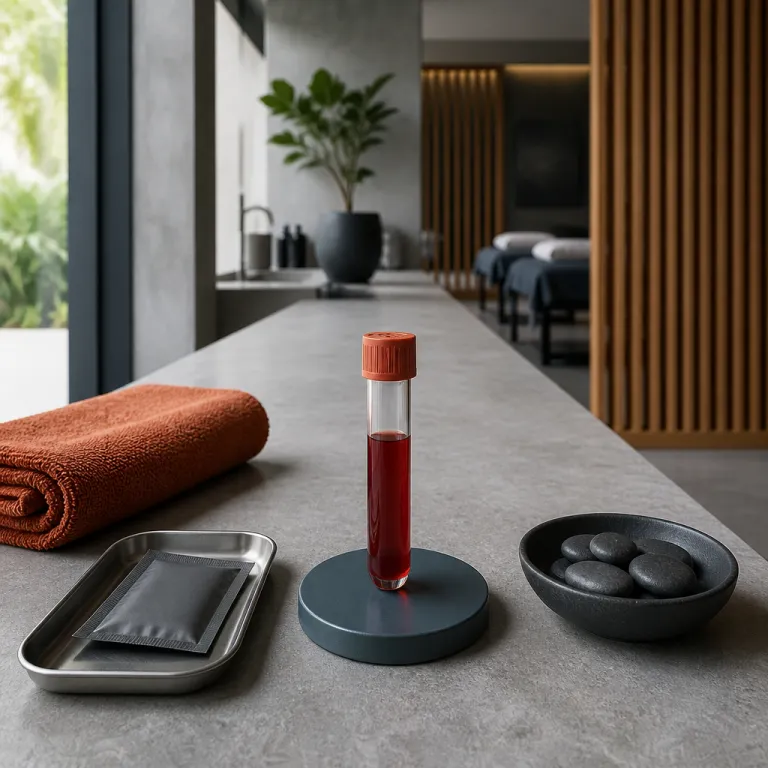
On arrival, the check-in at a leading wellness resort feels closer to a private clinic than a typical spa. Nurses may take blood pressure, body composition and basic blood tests such as fasting glucose, lipid profiles and inflammatory markers, while physicians or naturopaths map out integrative programs that may include detox, weight management, sleep optimization and stress recovery. The promise is clear and measurable: these health-focused retreats in Thailand are designed to deliver tangible outcomes, not just a pleasant day of spa treatments and yoga, with follow-up consultations often used to review progress against agreed health markers.
This is where Thailand wellness stands apart from many global wellness retreats. The country’s medical infrastructure, from Bangkok’s international hospitals to specialist clinics in Hua Hin and Chiang Mai, underpins the luxury wellness scene with genuine clinical depth. For travelers comparing retreats across Thailand, the difference between a standard spa holiday and a medically supervised wellness stay is the presence of diagnostics, specialist consultations and post-retreat follow-up that can continue long after you leave Koh Samui or Koh Phangan, sometimes including telemedicine check-ins and shared reports with your home doctor.
Inside the RAKxa and Bumrungrad model of integrative luxury wellness
RAKxa Integrative Wellness sits in Bang Krachao, the so-called Green Lung of Bangkok, and it has quietly redefined what a medical wellness retreat in Thailand can be. Guests arrive by boat or car, then move straight from shaded pathways into consultation rooms where physicians trained in both Western medicine and traditional Thai modalities review health histories. A formal collaboration with Bumrungrad International Hospital, one of Thailand’s best-known Joint Commission International (JCI) accredited hospitals, means that every stay here can be backed by hospital-grade diagnostics, from advanced imaging to detailed blood analysis, with referrals handled through established clinical pathways and shared electronic records.
Programs at RAKxa range from gut health and immunity to longevity and metabolic balance, each structured as multi-day wellness plans with clear entry and exit metrics. A couple might book a seven-night retreat focused on stress and sleep, combining yoga, meditation, breathing therapy, Traditional Thai Medicine and targeted spa treatments with medical consultations and lab reviews that track markers such as cortisol patterns, sleep quality and heart-rate variability. One anonymized case example often cited by clinicians is a pair of executives who arrived with chronic insomnia and elevated blood pressure and left with improved sleep efficiency scores and reduced resting heart rate, then maintained gains at three-month follow-up. For those planning longer stays, extended protocols echo the philosophy explored in this guide to 14 day reset style wellness programs built for burnout, where the emphasis is on nervous system repair rather than cosmetic quick fixes.
Healiday, a specialist retreat provider, often channels guests into RAKxa or similar health resorts when a diagnostics-based approach is required. Their model is simple yet powerful: “Comprehensive health assessments, personalized treatments, luxury accommodations, and wellness activities.” For couples comparing retreats throughout Thailand, this combination of clinical rigor, sanctuary-like surroundings and Thai hospitality creates an experience that feels both deeply healing and quietly indulgent, especially when contrasted with more conventional yoga retreats or fitness camps. It is not a substitute for emergency care or complex surgery, however, and guests with serious conditions are usually advised to coordinate with their primary physician before booking.
Kamalaya, Chiva Som and the new sanctuaries of longevity
On the south-eastern coast of Koh Samui, Kamalaya has evolved from a spiritual sanctuary into one of the most sophisticated destinations for a medically oriented wellness retreat in Thailand. The property cascades down a lush hillside to the sea, yet behind the serene architecture sits a Longevity House equipped for diagnostics, functional assessments and preventive screenings. Here, Eastern healing traditions meet Western medical research in programs that address immunity, metabolic health and emotional balance with equal seriousness, often delivered by multidisciplinary teams that include medical doctors, naturopaths, physiotherapists and mindfulness teachers.
Couples booking a wellness retreat at Kamalaya can choose targeted programs for detox, stress and burnout, sleep enhancement or weight loss, each built around multi-day schedules of consultations, spa treatments, yoga and meditation. IV nutrient therapy, ozone therapy and hyperbaric oxygen sessions sit alongside traditional Thai massage, herbal steam caves and mindful movement, creating a holistic rhythm that feels more like a health reset than a holiday. Repeat guests often extend stays to ten or fourteen days, mirroring the longer formats now shaping Thailand wellness travel at the upper end of the market, and internal guest surveys at many properties report high satisfaction with energy, mood and sleep quality after these extended stays.
Across the Gulf in Hua Hin, Chiva Som remains a benchmark for luxury wellness retreats in Thailand, with structured programs that span musculoskeletal health, gut repair and emotional resilience. On Koh Samui, Absolute Sanctuary leans into yoga retreats, Pilates and weight management, while BDMS Wellness Clinic Celes Samui brings hospital-linked preventive care directly into a resort setting through its association with the Bangkok Dusit Medical Services network. For travelers wanting a broader view of spa-led luxury before committing to a full medical program, our curated guide to luxury spa hotels in Thailand offers a useful starting point.
Designing your own wellness journey across Thailand’s regions
Planning a medical wellness retreat in Thailand as a couple works best when you think in chapters rather than a single stay. One approach is to begin with a diagnostics-heavy health retreat near Bangkok or Hua Hin, then move on to a more contemplative yoga or meditation-focused resort in Chiang Mai or Koh Phangan. This sequencing allows you to complete assessments and core treatments first, then integrate new habits in a slower, more reflective setting, with time to test new sleep routines, nutrition plans and movement practices away from the intensity of daily life.
In the south, Koh Samui remains the most concentrated island for wellness retreats, with Kamalaya, Absolute Sanctuary and BDMS Wellness Clinic Celes Samui each offering distinct programs. Kamalaya Koh Samui is ideal for those seeking a sanctuary-like atmosphere with strong spiritual undercurrents, while Absolute Sanctuary suits guests who want structured yoga retreats, Pilates reformer classes and perhaps a little Muay Thai training between spa treatments. Couples who prefer a quieter, more bohemian rhythm often head to Koh Phangan, where smaller resorts blend yoga, detox and traditional Thai therapies with simple, sea-facing suites, though medical supervision and diagnostics may be lighter than at hospital-linked properties.
The north tells a different story, with Chiang Mai’s forested hills lending themselves to yoga, meditation, herbal healing and slower-paced wellness programs. Here, a medically guided wellness stay might start with a few days of assessments and treatments, then segue into a stay at a riverside resort where the focus shifts to mindful movement and plant-based cuisine. For those who like to weave gastronomy into their wellness journey, our guide to Chiang Mai’s northern Thai restaurants and nearby stays pairs beautifully with a health-focused itinerary, provided alcohol intake and late nights are kept in line with your clinicians’ recommendations.
What to expect day by day at a medical wellness retreat in Thailand
A typical day at a medical wellness retreat in Thailand starts quietly, often with sunrise yoga or meditation overlooking the sea or a tropical garden. After a light breakfast tailored to your program, you move into consultations, spa treatments or therapies such as acupuncture, physiotherapy or Traditional Thai Medicine sessions. The rhythm is deliberate: more intensive work in the morning, restorative practices in the afternoon, and early nights that support circadian health, with many resorts encouraging reduced screen time and caffeine to reinforce sleep hygiene.
Couples on detox or weight-loss programs can expect carefully calibrated menus, often plant-forward with measured portions of protein and healthy fats. Movement blocks might include yoga, Pilates, functional training or even Muay Thai, all scaled to individual fitness levels and medical guidance. Between sessions, there is time to simply inhabit the resort as a sanctuary, whether that means floating in a saltwater pool, journaling in a shaded sala or walking barefoot along a quiet stretch of sand. Guests with cardiovascular disease, pregnancy or recent surgery are usually given modified schedules and contraindicated activities are clearly flagged during intake.
Many of Thailand’s leading wellness retreats now integrate technology and follow-up into their offerings, with post-retreat plans, teleconsultations and app-based habit tracking. Life- and longevity-focused programs at certain resorts blend spa-led rituals with medical input, while others focus more purely on diagnostics and clinical interventions. Whatever the emphasis, the essence of a medically informed wellness retreat in Thailand is the same: structured, multi-day care that treats you as a whole person, not just a stressed traveler in need of a massage, and that aims to translate short-term gains into sustainable lifestyle changes once you return home.
How to choose the right retreat, budget and length for your stay
Selecting the right medical wellness retreat in Thailand starts with clarity about your health priorities as a couple. If you are dealing with specific concerns such as metabolic syndrome, chronic stress or sleep disruption, a diagnostics-heavy wellness program linked to a major hospital or clinic will often be the most appropriate choice. For those seeking general recalibration, yoga retreats or holistic wellness programs with lighter medical input may be sufficient, provided you still verify practitioner credentials, language support and emergency protocols before confirming a booking.
Costs vary widely, but a medically focused wellness stay in Thailand is commonly priced in the low-to-mid four figures in USD per person for a week, including accommodations, assessments, treatments and most meals. Industry surveys from global wellness tourism bodies suggest that medical and wellness travelers typically spend significantly more per trip than leisure tourists, which aligns with these ranges. Shorter three-day stays can work as introductions, yet the most meaningful shifts usually occur over five to fourteen days, especially when programs include detox, weight loss or deep stress recovery. With Thailand’s wellness tourism market now estimated in the multi-billion-dollar range, the spectrum of options spans intimate sanctuaries to large-scale resorts with extensive spa and fitness facilities.
Practicalities matter too, from flight connections to how many internal transfers you are willing to make between Koh Samui, Hua Hin or Chiang Mai. Some couples prefer to anchor their trip in a single resort, while others design a progression from a clinically focused retreat to a softer, more romantic stay where the spa is the main event. Whatever your style, the combination of Thai hospitality, traditional Thai healing arts and internationally recognized medical expertise makes a medical wellness retreat in Thailand one of the most compelling ways to invest in long-term health while still feeling thoroughly, luxuriously on holiday, especially when supported by clear outcome measures and realistic expectations.
FAQ
What is included in a typical medical wellness retreat in Thailand?
Most medical wellness retreats in Thailand include comprehensive health assessments, personalized treatment plans, luxury accommodations and access to wellness activities such as yoga, meditation and fitness classes. Clinical elements can range from blood panels and body composition analysis to specialist consultations and imaging, depending on the resort. Spa treatments, nutritious meals and post-retreat follow-up are often part of the package, especially at higher-end properties, and many hospital-affiliated centers highlight international accreditations or board-certified clinicians on their information pages.
How long should I stay at a medical wellness retreat for real results?
Short three-day stays can provide a useful reset, but many clinicians recommend at least five to seven days for meaningful change. Programs focused on detox, weight loss or deep stress recovery often work best over ten to fourteen days, allowing time for assessments, interventions and integration. Couples planning a once-in-a-decade health-focused trip may choose to combine a core medical program with a second, more restorative stay elsewhere in Thailand, and some resorts now publish anonymized outcome data or guest-reported improvements to help you gauge realistic expectations.
Are medical wellness retreats in Thailand suitable for all ages and fitness levels?
These retreats are generally designed to be inclusive, with wellness programs tailored to individual health status, age and mobility. Pre-arrival questionnaires and initial consultations help clinicians adapt activities, from yoga and Muay Thai to physiotherapy and hydrotherapy, so that they remain safe and effective. Guests with complex medical histories should share full documentation in advance and may benefit from retreats linked to major hospitals or specialist clinics, while those with unstable conditions, advanced pregnancy or recent major surgery may be advised to postpone travel or seek direct hospital care instead.
How do medical wellness retreats differ from standard spa holidays?
The main difference lies in structure, diagnostics and follow-up. A medical wellness retreat in Thailand typically includes clinical assessments, measurable goals and ongoing support, whereas a standard spa holiday focuses on relaxation without formal health outcomes. Both can feel indulgent, but only the medical model is built to shift biomarkers, habits and long-term health trajectories, with clear intake criteria, contraindications and evidence-informed protocols guiding what is offered and to whom.
Can I combine sightseeing with a medical wellness retreat in Thailand?
It is possible to blend sightseeing with a wellness retreat, though many guests find it helpful to protect the core program days from late nights and heavy excursions. A common strategy is to schedule cultural exploration in Bangkok, Chiang Mai or the islands either before or after the retreat, using the program itself as a focused period of rest and recalibration. This approach preserves the integrity of the medical work while still allowing you to enjoy Thailand’s food, culture and landscapes, and it makes it easier to follow clinician advice on sleep, alcohol and activity levels during the most intensive days of your stay.