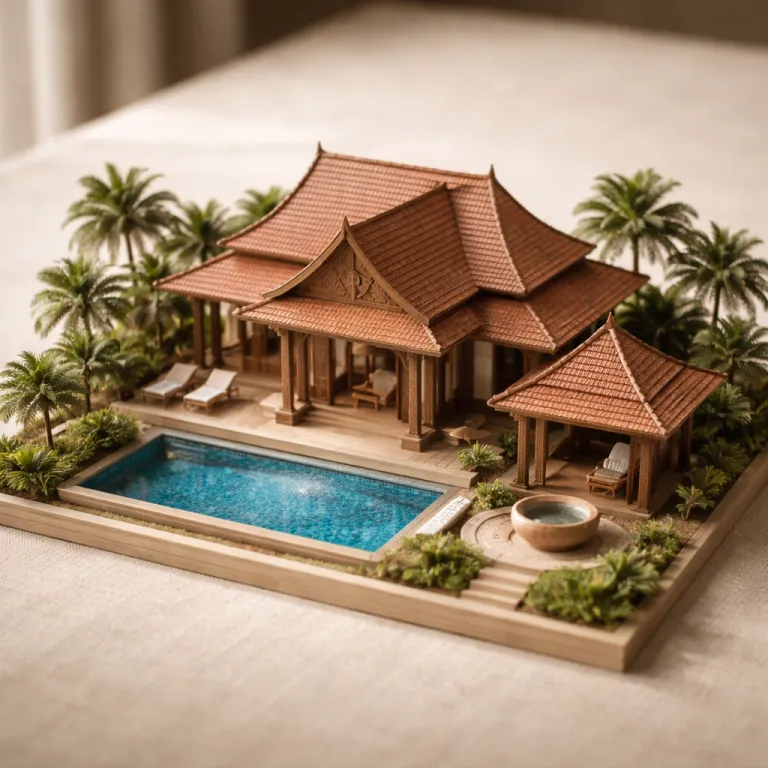
What a true family luxury hotel in Thailand should deliver
Families comparing family luxury hotels in Thailand quickly learn that labels mean little. A genuine luxury hotel for a family balances calm design with practical details like interconnecting rooms, shaded pool zones and staff who remember your kids’ names. In the best hotels Thailand offers, that balance feels effortless yet is carefully engineered behind the scenes.
Look first at layouts, because space is the quiet definition of luxury for parents. A pool villa with a separate living room, sliding doors and a private pool fence lets adults talk after bedtime while kids sleep nearby, and in Thailand this configuration is increasingly common from Phuket to Koh Samui. When you compare luxury hotels, check whether the resort lists exact square metres, bed configurations and maximum occupancy for each villa or suite.
Next, examine the kids club and wider programming rather than just the headline age range. A family friendly resort spa that runs Thai cooking classes, Muay Thai sessions and rice planting will hold a tween’s attention far longer than a room of plastic toys, and this is where the best family properties in Thailand stand apart. Ask about staff to child ratios, language skills and whether the kids club operates during dinner so you can enjoy the spa or a quiet drink by the beach.
Dining flexibility is another non negotiable for family luxury hotels Thailand wide. You want a hotel that serves proper food all day, offers children’s menus without added fees and understands allergies, because hungry kids do not wait for fine dining pacing. In destinations like Bangkok Thailand or Chiang Mai, where you may be out exploring temples or markets, room service that arrives quickly and accurately becomes part of the luxury equation.
Finally, interrogate the small print on prices, taxes and inclusions. In Thailand, quoted rates may exclude local taxes and service charges, so always check how taxes fees are calculated before you click any view offer button. A resort that is transparent about taxes, airport transfers and kids club fees is usually equally honest about everything else that matters to your family.
Beachfront escapes in Phuket and Khao Lak for pool loving families
On the Andaman coast, Phuket Thailand remains the default search for family luxury hotels Thailand wide, but not every beach resort suits younger travellers. The island’s west coast mixes lively stretches with quieter bays where a private pool villa makes more sense than a crowded main pool. For families, the best strategy is to choose a resort with direct beach access yet enough lawn and shade that kids can roam safely.
Rosewood Phuket is a strong example of how a luxury resort can feel both intimate and deeply family friendly. Villas come with private pools screened by greenery, and the kids club is designed as a village of playhouses rather than a single room, which encourages longer, more imaginative play. Parents can move between the spa, the main pool and the beach while staff escort kids to scheduled activities like Thai craft sessions or sandcastle competitions.
North of Phuket, Khao Lak offers a softer, more low key version of the Andaman coast. Here, a beach resort often stretches along a wide, gently shelving beach where even small kids can paddle under supervision, and sunsets are long, slow affairs. Families who find Phuket too busy often discover that Khao Lak gives them the same Andaman light with fewer jet skis and more space for football on the sand.
When comparing hotels Thailand side by side, pay attention to how each resort manages its pool areas. Some luxury hotels now designate a quiet pool for adults and a more energetic family pool with slides or shallow zones, which keeps everyone happier for longer. If your children are strong swimmers, a private pool attached to your villa in Phuket or Khao Lak can be transformative, turning post breakfast downtime into easy playtime.
Island hoppers should also consider the quieter sands beyond the main hubs. Families who like the feel of smaller islands can look at Koh Yao and its neighbour Yao Noi, where low rise resorts face calm bays and longtail boats rather than nightlife, and where a resort spa often sits just a few metres from the tide line. For another perspective on low key island stays, guides to resort hotels on Klong Prao Beach on Koh Chang show how Thai beach hospitality can feel both simple and luxurious for families.
Koh Samui, Koh Yao and Hua Hin: private villas and gentle beaches
On the Gulf of Thailand, Koh Samui has evolved into one of the best family destinations for travellers who want both soft sand and serious comfort. Melia Koh Samui on Choeng Mon Beach illustrates how a resort can be overtly family friendly without losing its sense of luxury, thanks to lagoon style pools, a well run kids club and suites that work for siblings sharing. Parents can book a pool villa or family room, then let kids move between the beach and the pool under the watchful eye of lifeguards and activity staff.
Further off the radar, Koh Yao and Yao Noi sit between Phuket and Krabi yet feel a world away from both. These islands suit families who value nature and quiet over shopping malls, and who prefer a private pool and a hammock to water parks and big buffets. A beach resort here often focuses on kayaking, mangrove trips and village visits, which can be ideal for older kids who are curious about local life.
On the mainland, Hua Hin remains a classic choice for Bangkok based families who want an easy weekend by the sea. Dusit Thani Hua Hin, with its long beachfront and generous gardens, shows how an older property can still rank among the best family options when maintenance and service stay sharp. Multiple pools, including shallow zones for kids, mean you rarely feel crowded even when the hotel is busy.
Wherever you look in this part of Thailand, pay attention to how each hotel handles shade and heat. Families spend long hours outdoors, so a luxury resort that plants trees generously around the pool and kids club will feel cooler and calmer than one that relies only on umbrellas. When you read reviews of luxury hotels, look for mentions of sea breezes, afternoon shade and indoor play spaces for the hottest hours.
For multi generation trips, villas with a private pool and separate bedrooms on Koh Samui or Hua Hin can be more comfortable than booking multiple rooms. Grandparents can retreat to quiet terraces while kids splash in the pool, and everyone meets again for early dinners by the beach. If you are mapping a longer itinerary across Thailand, curated overviews of five star international stays for refined global travellers can help you benchmark service levels between coastal resorts and city hotels.
Bangkok and Chiang Mai: urban and upcountry bases that work for families
Every family trip to Thailand touches Bangkok at least once, and where you stay in Bangkok Thailand shapes how the city feels. Anantara Siam Bangkok is one of the rare central properties that still feels like a low rise resort, with courtyards, koi ponds and a pool framed by frangipani trees. For families, that means you can step out to the Skytrain or malls, then retreat to a hotel that feels calm enough for nap time.
In the capital, luxury hotels that work best for families share a few traits. They offer large rooms or suites with sliding doors, breakfast buffets that start early for jet lagged kids and pools with lifeguards rather than just attendants, which matters more than infinity edges. When comparing hotels Thailand wide, remember that a shaded city pool can be just as valuable to your family as a beach if you plan to sightsee hard.
Chiang Mai, by contrast, slows the tempo and invites families to stay longer. Four Seasons Chiang Mai, set among rice fields outside the city, functions almost as a countryside resort with buffalo, cycling paths and cooking schools, which is why it works so well for tween explorers. Kids can join rice planting or craft workshops while parents visit the spa or linger over northern Thai dinners that stretch into the cool evening.
For families curious about the Golden Triangle, some river facing resorts offer multi day programs that combine gentle boat trips, hilltop temples and ethical elephant experiences. These stays suit older kids who can handle longer transfers and appreciate the layered history of the region, from ancient trade routes to modern conservation efforts. When you weigh up whether to include the Golden Triangle, consider both travel time and how many hotel changes your family can enjoy before fatigue sets in.
Wherever you are in Thailand, the essence of hospitality runs deeper than lobby design. Guides that unpack the wai, the welcome and the wait in Thai hospitality help parents understand why staff interactions feel so personal, from the kids club to the breakfast team. That cultural context can turn a simple pool day in Chiang Mai or Bangkok into a richer memory for the whole family.
Inside the resorts: kids’ clubs, layouts and real operational details
Marketing photos rarely show you how a kids club actually runs at 15.00 on a humid Tuesday. Families choosing between family luxury hotels Thailand wide should ask very specific questions about daily schedules, rainy day plans and whether activities change between high and low season. A resort spa with a thoughtful children’s program often signals a management team that understands family rhythms deeply.
Anantara Layan Phuket, for example, has built a reputation among repeat guests for a kids club that feels more like a small school than a holding pen. Staff rotate structured activities with free play, and they remember returning kids by name, which creates a sense of continuity and safety. Parents can book spa treatments or swim laps in the main pool knowing that their children are not just supervised but engaged.
Banyan Tree Phuket takes a different approach, leaning into its villa layout to give families more private space. Here, a pool villa often wraps around a courtyard with a private pool, so kids can splash within sight of the living room while parents read or work, and that proximity matters more than sheer pool size. For many families, this villa formula proves more relaxing than a larger but busier shared pool.
At InterContinental Khao Yai Resort, the railroad theme and proximity to Khao Yai National Park add another layer of interest for kids. Suites fashioned from train carriages, lakeside paths and easy access to forest trails turn a standard resort stay into something closer to a storybook adventure. Families who like to mix nature with comfort often pair a few nights here with a beach resort in Phuket or Koh Samui.
Across these properties, pay attention to practicalities like laundry turnaround, babysitting policies and how the hotel handles fees for extra beds or children’s breakfasts. Transparent information about taxes fees, babysitting charges and late checkout costs helps you compare the real value of different offers rather than just headline rates. When a hotel answers these questions clearly before you book, it usually means the on the ground experience will be equally well organised.
Costs, taxes and timing: making the numbers work for luxury family stays
Families planning a trip across multiple regions of Thailand quickly realise that timing matters as much as location. Shoulder season in places like Phuket, Koh Samui or Hua Hin can mean softer light, fewer crowds and rates that drop significantly compared with school holidays. When you compare a view offer screen between dates, always factor in both nightly price and what is included for kids.
Hotel pricing in Thailand typically lists base rates before adding local taxes and service charges. That means the final bill can be 17 to 20 percent higher than the first number you see, once all taxes fees are applied, and this difference compounds quickly over a ten night family stay. Always check whether breakfast, airport transfers and kids club access are included, because these can shift the value equation between luxury hotels dramatically.
For multi generation trips or longer stays, villas with a private pool can sometimes deliver better value than booking several separate rooms. A pool villa on Koh Samui or in Phuket may look expensive at first glance, yet when you divide the cost between grandparents, parents and kids, the per person rate can undercut two or three standard rooms in a city hotel. You also save on incidental spending when children are happy to spend whole afternoons in the pool rather than asking for new excursions daily.
When comparing family luxury hotels Thailand wide, consider the cost of getting between regions as part of your accommodation budget. Flights between Bangkok and Chiang Mai or Phuket are frequent and relatively affordable, but transfers to islands like Koh Yao or Yao Noi add boat fees and time, which may not suit very young kids. Sometimes, choosing one beach base and one city or countryside base gives you more relaxation than trying to tick every region from Bangkok to the Golden Triangle.
Industry data from the Tourism Authority of Thailand and the Thailand Hotel Association shows that there are around 300 luxury hotels in the country, with an average occupancy rate of about 75 percent, which explains why the best family properties sell out early in peak periods. As one expert summary puts it, “Book in advance during peak season. Check for family packages. Verify amenities for children.” Families who follow that advice, read the fine print on taxes and ask detailed questions about kids facilities usually end up in the right hotel for their own version of a perfect Thai beach day.
Key figures for family luxury hotels in Thailand
- Thailand hosts approximately 300 luxury hotels, according to the Tourism Authority of Thailand, giving families a wide range of upscale options across cities, beaches and countryside.
- The Thailand Hotel Association reports an average occupancy rate of around 75 percent in luxury properties, meaning peak school holiday periods often sell out months in advance for the best family rooms and villas.
- Peak season for most coastal regions runs from November to February, when rates can be significantly higher than in the May to October off peak period, so flexible families can save substantially by shifting dates.
- Many luxury resorts in Phuket, Koh Samui and Hua Hin now offer dedicated kids clubs and family packages, reflecting a broader industry trend toward multi generation travel and longer stays.
- Eco friendly practices and cultural immersion activities are increasingly common in high end Thai resorts, aligning luxury family travel with sustainability and local community engagement.
FAQ about family luxury hotels in Thailand
What are the best family friendly luxury hotels in Thailand ?
Trusted recommendations for family friendly luxury stays in Thailand include InterContinental Khao Yai Resort near Khao Yai National Park, Melia Koh Samui on Choeng Mon Beach, Anantara Siam Bangkok in the capital, Rosewood Phuket on the Andaman coast and Dusit Thani Hua Hin on the Gulf. These hotels combine strong kids facilities with high service standards. They also offer layouts and locations that work well for both short breaks and longer itineraries.
When is the best time to visit Thailand for a family vacation ?
The most comfortable weather for a family trip to Thailand generally falls between November and February, when temperatures are slightly cooler and humidity is lower in many regions. This period is also peak season, so you should expect higher rates and busier hotels, especially in Phuket and Koh Samui. Families with flexibility can consider shoulder months for better value and fewer crowds.
Are there family packages available at luxury hotels in Thailand ?
Many luxury hotels in Thailand offer dedicated family packages that bundle breakfast, airport transfers, kids club access and sometimes spa credits or excursions. These packages can simplify budgeting and often reduce overall costs compared with booking each element separately. Always compare what is included, and check age limits or any extra fees for older children.
How far in advance should I book a family luxury hotel in Thailand ?
For peak travel periods and school holidays, it is wise to book family rooms or pool villas at least three to six months ahead. Popular properties in Phuket, Koh Samui and Chiang Mai often sell out their best family configurations first, even when standard rooms remain available. Off peak, you may find more flexibility, but specific layouts like two bedroom villas still benefit from early booking.
What should I check before confirming a booking for a family stay ?
Before confirming, verify room layouts, maximum occupancy, kids club age ranges and any extra charges for children’s breakfasts or rollaway beds. Ask the hotel to clarify how taxes and service charges are applied so you understand the final cost. It is also worth confirming babysitting availability, pool safety measures and whether the resort can accommodate any dietary or accessibility needs your family may have.