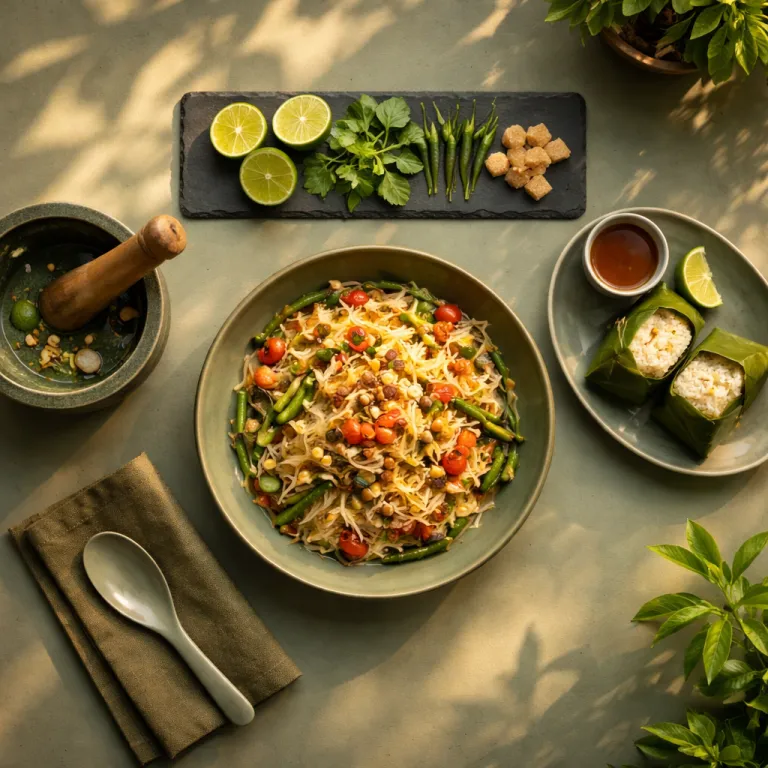
From street side wok to star hotel plate
Thai street food luxury hotels are no longer treating the pavement as a prop. In the most interesting properties in Bangkok and across Thailand, the hotel restaurant now studies the street side wok stations, noodle boats and grilled meats carts with the same care once reserved for wine lists and foie gras. For a solo traveler planning a stay, this shift turns every hotel bangkok choice into a potential deep dive into real thai food.
At Grand Hyatt Erawan Bangkok, the You&Mee restaurant has become a quiet reference point for this movement. The menu reads like a respectful introduction thai to the city’s street food canon, from stir fried noodles to tom yum that tastes like it came from a late night stall near a BTS station, yet plated with the precision of a serious bangkok hotel kitchen. The Tourism Authority of Thailand notes that around 70 % of visitors now prioritise local cuisine, and thai street food luxury hotels are responding with menus that feel more like fieldwork than theme nights.
Le Méridien Bangkok, a short walk from Patpong Night Market, uses its location to anchor a more urban dining experience. Chefs finish their shifts and walk the surrounding streets, tasting bangkok food from vendors who have been on the same road for decades, then return to refine hotel dishes that still carry the smoke and pace of the city. When you book a stay here, you are not just choosing a place to sleep in Thailand, you are choosing which version of thai cuisine will frame your nights.
Where the papaya comes from: sourcing with a conscience
The most serious thai street food luxury hotels start with a simple question ; where does the green papaya for that som tam actually grow. In Chiang Mai, Rachamankha Hotel treats its northern thai cuisine as a responsibility, sourcing herbs and vegetables from small farms around the city while its kitchen team still eats khao soi at humble street side shops to calibrate flavours. When you stay in these hotels, you taste dishes that carry both the markets of northern Thailand and the discipline of a star hotel brigade.
Across Bangkok, the sourcing story often runs along Sukhumvit Road and into its smaller sois. The Salil Hotel Sukhumvit 57 – Thonglor hosts a Food Pass Around that brings in vendors whose families have been cooking stir fried classics and grilled meats for generations, turning the hotel dining experience into a roaming street food seminar. For a solo explorer, this is one of the best thai ways to understand how a bangkok hotel can honour the city while still feeling unmistakably premium.
Beyond the capital, riverside and mountain properties are pairing thai food with landscape driven sourcing. When you plan to book nights in Chiang Mai, use guides to northern thai restaurants and nearby hotels, such as this curated look at Chiang Mai’s dining year round and where to stay nearby, to align your hotel choice with the flavours you care about. The right hotel bangkok or Chiang Mai address will tell you exactly which market your tom yum prawns came from, and why that matters as much as the swimming pool or the thread count.
Pricing, attribution and the ethics of the premium plate
Once you start reading menus in thai street food luxury hotels, the pricing conversation becomes impossible to ignore. A bowl of boat noodles that costs a handful of baht on a bangkok street can appear at ten times the price in a star hotel, yet the value equation shifts when you factor in sourcing, hygiene, service and the calm of an open air terrace above the city. The question for a solo traveler is not whether thai food should be cheap, but whether the restaurant explains what you are really paying for.
Look for menus that name the market, the vendor or even the specific thai street stall that inspired a dish. At Banyan Tree Bangkok, where the property offers both thai cuisine and international food, the most interesting plates are often those that credit a particular road, a night market or a family recipe, turning a simple stir fried vegetable dish into a short story about Bangkok best flavours. This kind of attribution matters more than chasing the latest Michelin star, because it keeps the conversation anchored in the city rather than in imported standards.
Some hotels have already tested the limits and quietly stepped back. One central bangkok hotel recently reduced its street food themed prices after guests questioned why a plate of grilled meats cost more than a full meal at a respected restaurant nearby, a reminder that transparency travels fast in the age of online reviews. For a deeper sense of how chefs inside a bangkok hotel are rethinking thai cuisine, read this analysis of Bangkok’s quiet hotel kitchens and the chefs reshaping Thai fine dining before you book your next stay.
Three hotels that study the street, and one quiet retreat
Among thai street food luxury hotels, a few names come up repeatedly when chefs talk to each other. Grand Hyatt Erawan Bangkok uses its You&Mee outlet as a living lab, serving street food classics in a setting that still feels like a central bangkok hotel lounge, with dishes that balance nostalgia and precision. The Berkeley Hotel Pratunam, meanwhile, leans into its international seafood buffet but increasingly threads thai street flavours through the line up, from tom yum inspired broths to grilled meats that echo the stalls outside.
The Salil Hotel Sukhumvit 57 – Thonglor stands out for its Food Pass Around, where guests move between stations that reinterpret thai street favourites with hotel level sourcing and technique. Banyan Tree Bangkok offers a different angle, pairing rooftop views with plates that reference the city’s road level food culture, so you can taste a refined version of a street side stir fried noodle while watching the BTS trains slide past. Together, these hotels show how a bangkok hotel can be both a refuge from the city and a lens that sharpens it.
Then there is The Standard Pattaya Na Jomtien, which sits away from the usual bangkok food circuits yet still engages with the national conversation. Its Esmé beach bar serves upscale Mexican fare, but the kitchen team eats widely in Thailand and folds lessons from thai street snacks into their approach to acidity, texture and heat. For a solo traveler, this kind of retreat proves that the best thai inspired dining experience does not always announce itself with a themed night ; sometimes it is simply a chef who knows exactly which street food stall they want to honour.
How to choose your thai street food luxury stay
When you are ready to book, treat the dining pages of a hotel website as seriously as the room photos. In Bangkok, filter your options by neighbourhood and proximity to BTS or MRT lines, then read how each property talks about thai cuisine and street food in its restaurant descriptions. A hotel on Sukhumvit Road that mentions specific dishes, nearby markets and collaborations with local vendors is usually more committed than one that simply lists generic thai food alongside burgers.
Pay attention to how the hotel frames its swimming pool, bars and lounges in relation to food. An open air pool deck that hosts a weekly thai street inspired grill night, with skewers of marinated meats and seafood cooked to order, will feel very different from a closed off all day dining room that only nods to the city with a token tom yum. For longer stays, consider how easily you can step from your bangkok hotel lobby onto a real thai street, eat at a trusted stall, then return upstairs to compare flavours with the hotel’s own dining experience.
Finally, remember that thai street food luxury hotels are part of a wider travel pattern across Thailand. If you are planning to move between Bangkok, Chiang Mai and the rivers of the central plains, align your itinerary with properties that take food seriously at every stop, using resources such as this guide to northern river journeys you can still do slowly to connect landscapes with flavours. The most rewarding stays are those where the hotel, the city and the street side wok all feel like parts of the same conversation.
FAQ about thai street food luxury hotels in Thailand
Which luxury hotels in Thailand offer street food style experiences ?
Hotels like The Standard Pattaya and Grand Hyatt Erawan Bangkok offer such experiences. These properties integrate thai street dishes into their restaurant concepts, often with careful sourcing and refined presentation. You can usually enjoy these menus whether or not you stay overnight, although policies vary by hotel.
Are the street food inspired dishes in hotels truly authentic ?
Yes, they aim to provide authentic Thai flavors in upscale settings. Leading thai street food luxury hotels work with local vendors, markets and chefs to keep flavours close to what you would taste on the street. The main differences are hygiene standards, ingredient quality and the comfort of the dining room.
Do I need to be a hotel guest to dine at these restaurants ?
Policies vary ; some restaurants are open to non guests. In major city areas such as Sukhumvit, Siam and Chiang Mai, many hotel dining rooms actively welcome outside diners, especially for thai cuisine tasting menus or street food themed nights. It is always wise to reserve in advance, particularly at peak times.
How can I tell if a hotel respects local street food culture ?
Read the menu and look for clear attribution to specific markets, roads or vendors. Hotels that name the source of their ingredients, explain the story behind dishes and price them transparently usually show deeper respect. You can also ask staff where they personally go for bangkok food or tom yum outside the property.
Is it worth paying more for street food dishes in a luxury hotel ?
The higher price in a star hotel often reflects ingredient quality, food safety, service and location. If the restaurant explains its sourcing and honours the original thai street dish, many travelers find the premium justified. For budget sensitive nights, you can always balance hotel meals with visits to trusted street side vendors nearby.