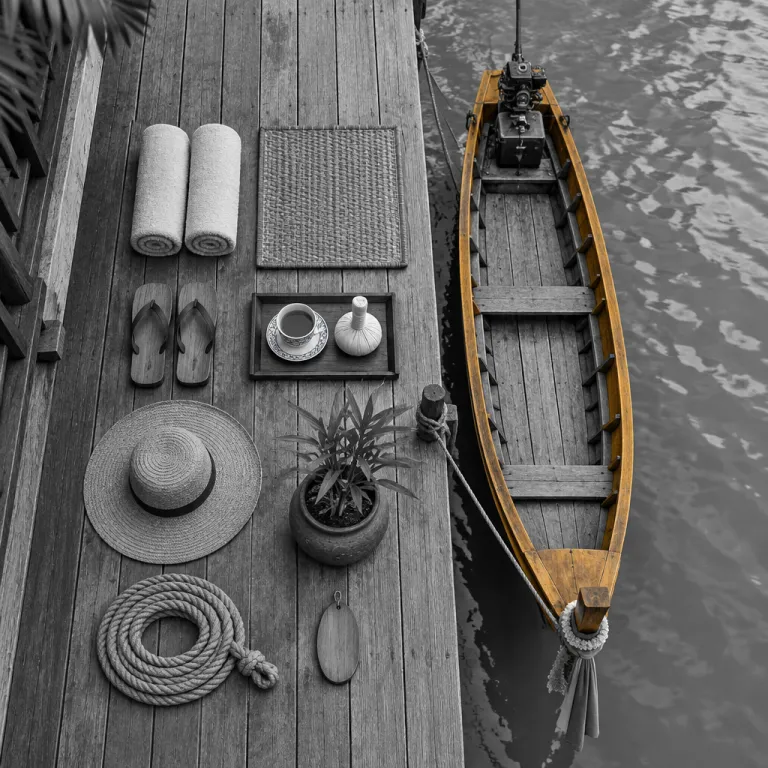
Why riverside hotels in Thailand feel different from the beach
A stay in riverside hotels in Thailand is shaped by movement, working water and changing light. In Bangkok the river and the city lean into each other, so your first glimpse of the Chao Phraya can feel more cinematic than any arrival at a sand fringe. Choose a riverfront address and you trade the predictable beach horizon for layered views filled with barges, temple spires and the quiet geometry of ferries crossing from bank to bank.
On the Bangkok river the day starts early, with saffron robes on small boats and the metallic clink of moorings, and this rhythm seeps into how you use your rooms and shared spaces. A riverside hotel often encourages you to slow down, to watch how the Chao Phraya carries both commerce and ceremony, and to understand why a night’s stay here feels more connected to Thai cultural life than a resort cul-de-sac. When you book riverfront accommodation from the capital to the north, you are really booking into the daily choreography of the water rather than a static postcard view.
Waterfront addresses also change how you move through bustling Bangkok or any other city, because a hotel pier or private shuttle boat can replace a taxi queue and an elevated road. That means your daily routine might be a longtail ride to a gallery, then a return to your bedroom or suite by sunset, with the skyline softening as the heat drops. Over years of visiting, many repeat guests say the river becomes their compass, and the Bangkok hotel choice that once felt like a gamble turns into a ritual they measure in views rather than in metres from the nearest mall.
Bangkok’s Chao Phraya: grand river, intimate stays
The Chao Phraya is the grand stage for riverside Bangkok, and most riverside hotels in Thailand that sit here lean into that drama. You will see the phrase “Bangkok riverside” used often, but what matters is exactly where along the Chao Phraya your property sits and how it frames the view. Some addresses face the old city, where temples and shophouses dominate, while others look toward the modern skyline, and that choice will shape every breakfast and every night’s stay.
When you compare any hotel option along the Bangkok river, look closely at how the property uses its frontage rather than just the room count. The most thoughtful teams arrange arrival by boat, position pools and restaurants to catch both sunrise and sunset views, and design rooms and suites so that even a compact bedroom feels oriented to the water. Before you commit your THB budget, ask whether your bedroom, junior suite or higher category suite guarantees direct river views or only a partial city outlook over a road.
Noise and access also matter along the Chao Phraya, because some stretches are busier with public ferries and some piers are shared with local commuters. A hotel pier that is used for both private shuttles and public boats can be lively, but it may also mean more engine noise reaching your rooms at peak hours. If you are curious about how one historic customs house is being reimagined as a new riverfront landmark, read this analysis of the restoration of Bangkok’s old customs house for a sense of how the next wave of luxury on the water is being shaped : Bangkok’s customs house transformation.
Beyond Bangkok: Ping and Mekong river characters
Riverside hotels in Thailand are not only about the capital, because the Ping River in Chiang Mai and the Mekong in the north offer very different stays. Along the Ping, the water is narrower and calmer than the Chao Phraya, so a riverfront hotel here feels almost residential, with more trees, fewer barges and a softer soundscape. You might wake in a bedroom or suite to birdsong rather than horns, and your day Bangkok memories will feel far away as you watch local life unfold at walking pace.
The Mekong, by contrast, is about scale and borders, and riverside hotel stays here tend to foreground horizon and history. From your suite or grand corner room you may look across to another country, and the Chao Phraya energy of commerce is replaced by a slower, more contemplative current. For solo travellers and couples, these riverfront retreats can feel like hideaways, where the mini bar is stocked with local snacks and the staff can arrange boat trips that explain both geography and Thai cultural stories tied to the water.
When planning a longer trip that combines Bangkok riverside with the north, it helps to understand how the country’s luxury map is evolving and where new openings will shift attention. For a strategic overview of how high-end developments on Sukhumvit and beyond may influence rates and availability on the river, see this deep dive into the city’s luxury pipeline : Bangkok luxury pipeline insights. Use that context to decide whether to allocate more THB to a grand riverfront suite in the capital or to spread your budget across several riverside stops, including the Ping and the Mekong.
How the best riverside hotels use the water
The most rewarding riverside hotels in Thailand treat the river as a living partner rather than a backdrop. You will notice this in the way they schedule boat shuttles to match both commuter peaks and golden hour, and in how they design terraces so that every stay feels anchored to the water. A thoughtful riverfront property will also use lighting carefully, allowing the night stay to feel intimate while still framing the city and river views beyond.
Inside the rooms and suites, details matter, because a riverside hotel can either amplify or mute the sense of place. Floor-to-ceiling windows, window seats and even the angle of the bed in a bedroom or bedroom suite can decide whether you feel part of the Chao Phraya story or simply adjacent to it. Look for a Bangkok hotel that positions the mini bar and seating so you can watch boats drift past while you snack on local treats, and check whether the rate includes any river-based experiences such as a sunset cruise or a morning market visit by boat.
Outside your room, the best riverside Bangkok addresses curate the day’s arc with the water in mind, from sunrise yoga on a deck to late evening drinks that track the changing reflections on the Chao Phraya. Some hotels offer floating breakfasts or poolside setups that can feel theatrical, but the most successful versions keep things calm and avoid turning the river into a gimmick. When you compare offers, ask how the property integrates Thai cultural elements, such as blessings by local monks or street food tastings on nearby piers, so that your riverside explorations feel grounded rather than staged.
Booking smart: choosing the right river, bank and room
Choosing between riverside hotels in Thailand is less about star ratings and more about matching river character, bank position and room layout to your travel style. In Bangkok, one side of the Chao Phraya may offer closer access to the old city and street food markets, while the opposite bank might connect more quickly to business districts and shopping. Before you lock in a rate, study maps to see whether your chosen riverfront hotel sits near a public pier, a private pier or a busy bridge, because each will shape noise levels and how you move.
Room selection is just as critical, especially if you plan to spend several years of future trips returning to the same property. Always confirm whether your suite or bedroom suite faces the river directly, because some hotels label rooms as having river views when only a sliver of water is visible beyond the city. If you are sensitive to sound, request a higher floor and ask to be away from boat engines or road-facing corners, even if that means a slightly different THB rate for your night stay.
Solo travellers and couples who prioritise a sense of place over a sunbed will often find that a smaller room with a strong view beats a grand but inward-facing layout. When travelling with family or friends, consider connecting rooms and suites that still open toward the Chao Phraya, so everyone shares the same visual anchor even if bedtimes differ. For a broader perspective on how to read Thailand’s evolving luxury landscape and decide where to allocate your budget between river, beach and city, this guide to planning a first high season trip offers a useful framework : reading Thailand’s luxury hotel map.
Living with the river: who riverside stays suit
Riverside hotels in Thailand reward travellers who enjoy watching life unfold rather than chasing a checklist. If you are the kind of guest who lingers over coffee to see how the Bangkok river traffic shifts from dawn to late morning, a riverfront stay will feel like a front-row seat to the city. Those who prefer quiet contemplation will appreciate how even in bustling Bangkok the water can create a buffer, softening the edges of the city while keeping you close to its energy.
Solo explorers often find that a riverside hotel offers a reassuring structure to the day, because the river becomes both a landmark and a gentle timetable. You might start your daily routine with a boat ride to a temple, return for a swim as the Chao Phraya brightens, then head out again for street food on a nearby soi as the light fades. Couples, meanwhile, tend to value the way river views turn even a compact bedroom into a private theatre, with barges, ferries and reflections providing a constantly shifting backdrop.
For family and friends travelling together, riverside days can balance shared experiences and solo time, because some may choose spa appointments while others take a boat to a market or a Thai cultural performance. Over the year and across multiple years of return visits, many guests say the river becomes the thread that ties their Thailand memories together, more than any single pool or restaurant. If you choose carefully, your preferred Bangkok address on the Chao Phraya or another river can become a familiar harbour, one where staff remember your name, your preferred mini bar setup and even your favourite angle of view from the terrace.
FAQ: riverside hotels and river based stays in Thailand
Are riverside hotels in Bangkok noisy because of boat traffic ?
Noise levels vary widely between riverside hotels in Thailand, depending on proximity to public piers, bridges and commercial shipping lanes. In Bangkok, stretches of the Chao Phraya near major ferry hubs can be busier, while more residential sections feel calmer. When booking, ask specifically about boat noise, request a higher floor and confirm that your room faces the river rather than a road or bridge.
Is a riverside location practical for sightseeing in Bangkok ?
A riverfront base in Bangkok can be very practical, because many major temples, markets and historic districts sit close to the Chao Phraya. Private or shared hotel boats often connect directly to central piers, where you can transfer to public ferries or the Skytrain. This can save time in traffic and give you a more scenic commute, especially during peak hours.
How do river views compare between Bangkok, Chiang Mai and the Mekong ?
Bangkok river views are urban and layered, with temples, towers and constant boat movement, while the Ping River in Chiang Mai feels greener and more intimate. The Mekong offers wide horizon views and a stronger sense of border and landscape. Choosing between them depends on whether you prefer city energy, garden-like calm or big-sky panoramas.
What should I check in a room description for a riverside stay ?
Look for clear wording that confirms a direct river view rather than a partial or side view, and check photos carefully. Ask whether the bedroom or suite faces the water, how high the floor is and whether any structures block the outlook. It is also worth confirming balcony size, window orientation and whether the rate includes any river-based experiences.
Are riverside hotels suitable for solo travellers concerned about safety ?
Riverside hotels in Thailand are generally safe for solo travellers, especially in established areas of Bangkok and Chiang Mai. Many properties have controlled pier access, good lighting and staff who are used to assisting guests returning by boat at different hours. As always, choose reputable hotels, use registered transport at night and let the front desk know your approximate plans when heading out alone.