Chiang Rai cool season luxury: why the north turns first
By October, the first cool mornings settle over Chiang Rai. The air feels lighter, the hills shed the last rain clouds and Chiang Rai’s cool season quietly steps into its best time. While the islands still steam, the far north already offers sweater weather at sunrise, a clear signal that the rhythm of daily life is changing.
This is the moment when the season’s specific character becomes clear; days stay warm, usually between 24–28 °C, but evenings invite a shawl on your terrace and couples finally explore riverside paths without the weight of humidity. Compared with the coasts, rainfall drops earlier here, skies turn a sharper blue and the Mekong’s slow cast of mist at dawn feels almost frozen in place. For travellers who usually skip main northern provinces in favour of the beach, this shift in climate changes the entire tempo of how you eat, move and rest.
Think of Chiang Rai’s cool season luxury as Thailand’s soft opening for high season, when hotel teams have time to provide more attentive service before the crowds arrive. Pool villas that felt too hot in April become cool sanctuaries, and hilltop suites frame iconic views of tea ridges under clear light. If you enjoy a quieter language of hospitality, where staff members remember your coffee order and use their skills to arrange a private longtail to a riverside temple, this is your window.
Weather patterns also shape what you eat and how you move through the day, and that is where Chiang Rai separates itself from more popular southern resorts. Morning markets brim with river fish, wild herbs and forest mushrooms that never survive the hotter months, and cool air keeps produce crisp rather than limp or frozen. By late afternoon, when the sun softens over the rock outcrops of the Kok River, you can still explore on foot instead of retreating to air conditioning, which is a quiet luxury in itself.
Tea hills, river life and hidden luxury in the Golden Triangle
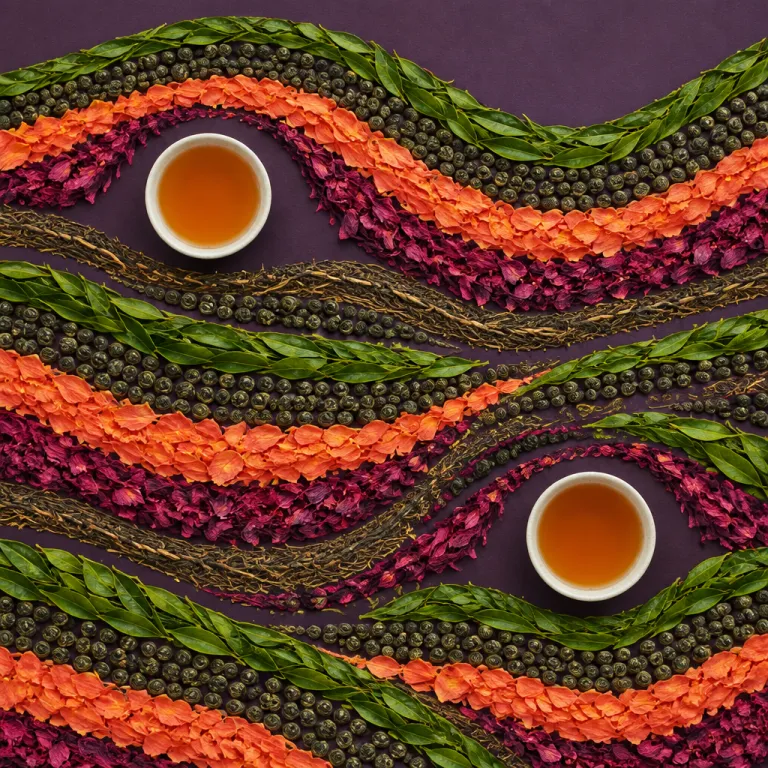
Chiang Rai’s tea country is the main content of its cool season story, and the region’s softer climate feels most vivid on those ridgelines. Around Mae Salong and Doi Mae Salong, tea plantations roll for kilometres, their origin tied to Chinese communities who settled here after long journeys across the border. In the cool months, mist lifts slowly from the rows, and couples can walk between the bushes without breaking a sweat, taking time to notice how local farm life still shapes the hills.
Many estates now provide refined tastings where you explore oolong flights like a sommelier, guided by staff whose skills have been honed over generations. The language of terroir appears in every explanation, from soil to altitude, and you sense how this quiet agricultural business has become a subtle luxury brand for the region today. For a deeper look at elegant escapes across the country, including city, jungle and island stays, study this guide to good places to visit in Thailand for luxury minded travellers.
Downriver, the Golden Triangle’s river life slows to a cool, cinematic pace that suits couples who prefer contemplation to nightlife. Longtail boats cut through morning mist, casting soft wakes past sandbanks where fish traps glint and water buffalo stand almost frozen in the shallows. From certain hillside suites, you watch three countries share one horizon, an iconic view that feels both intimate and immense, especially when the last light fades behind the mountains.
Hidden gems sit between these headline sights, and they are where Chiang Rai’s cool season luxury becomes personal. Small family run restaurants serve northern food with a gentle hand on spice, pairing river fish laab with young tea leaf salads and sticky rice steamed in bamboo. In the evenings, you might follow local musicians to a wooden bar where the house band plays Thai rock ballads, and the only other guests are off duty guides and hotel members of staff unwinding after their shift, talking about village life and the changing season.
What the cool season unlocks for couples: from temples to tea trails
Cool mornings change how you use your time in Chiang Rai, especially if you are planning a romantic trip. Instead of hiding from the sun, you can explore temple complexes, riverbanks and tea trails in comfort, then retreat to your suite only when you choose. This is when the region’s cool season luxury feels most generous, because the climate itself becomes part of the service and gives you space to move at your own pace.
Start early at Wat Rong Khun, the White Temple, where the light is soft enough to appreciate its iconic mirrored mosaics without the midday glare. Later, move to Baan Dam, the Black House, whose dark timber halls cast long, cool shadows that frame contemporary northern art and sculpture. With fewer visitors than Chiang Mai’s old city, you often find yourself alone in courtyards, able to read the visual language of the architecture at your own pace and notice small details that most tours skip.
By late morning, tea plantations and hillside trails are still cool enough for gentle hikes, ideal for couples who want movement without a boot camp. Guides provide context on the origin of each village, explaining how different ethnic groups shaped the food, textiles and rituals you see today. Families planning future trips during school holidays can also look at this seasonal guide to August in Thailand with children, then contrast that humid window with the clarity of the northern cool season.
Afternoons invite slower pleasures that define Chiang Rai’s cool season luxury for many travellers. Riverside resorts set up private picnics with grilled river fish, local vegetables and fragrant rice, while spa therapists use herbal compresses that feel warm but never stifling in the cool air. As night falls, street food markets come alive with skewers, noodles and northern sausages, and you can wander hand in hand without the usual heat pressing down on every step, sampling dishes that show how central food is to northern Thai life.
The new luxury pipeline and how to book Chiang Rai’s cool season smartly
Chiang Rai is no longer a side trip; the region’s cool season luxury is drawing serious investment, and the hotel pipeline proves it. Established international brands sit beside design forward Thai properties, each trying to provide a different interpretation of northern hospitality. For couples, this means more choice in room categories, from river facing pool suites to hilltop villas with firepits for genuinely cool nights that feel a world away from the busier, more popular resort towns.
As these openings accelerate, the business of booking becomes more strategic, because the most atmospheric rooms sell first. Aim to secure your stay several months ahead of the cool season, especially if you want specific views over tea hills or the Mekong. For broader context on planning high end itineraries across the kingdom, this guide to top beaches in Thailand for luxury beachfront escapes helps you balance north and south in one trip.
When you compare properties, look beyond brand names and focus on how each place connects you to the region’s origin stories. Some resorts partner with local communities to offer language classes, craft workshops and guided market visits, which deepen your understanding of daily life. Others specialise in river experiences, from private boat charters to catch and release fish excursions, or curate food journeys that highlight seasonal produce rather than frozen imports.
Booking smartly also means reading the fine print on what is included, because Chiang Rai’s cool season luxury often hides in the details. Early check in, late check out and complimentary transfers provide more usable time in the cool air, while small touches like in room pour over coffee or local rock salt bath soaks change how you feel between excursions. As you scan hotel pages, skip main marketing clichés and look instead for concrete examples of how the property’s members of staff use their skills to personalise stays, from arranging private temple blessings to setting up sunrise tea on a quiet ridge.
FAQ
When does the cool season in Chiang Rai usually start and end ?
The cool season in Chiang Rai typically begins around October, when rains ease and mornings turn crisp. Temperatures stay comfortable through the following February, with the chilliest nights in December and January, often dropping to 10–15 °C in the hills according to the Thai Meteorological Department. This window offers the clearest skies and the most pleasant conditions for outdoor activities, making it an ideal time for couples who enjoy walking, photography and slow travel.
Is Chiang Rai less crowded than Chiang Mai during the cool season ?
Chiang Rai remains noticeably quieter than Chiang Mai during the cool months, especially outside peak holiday periods. Popular sights such as the White Temple and the Black House see visitors, but they rarely feel as saturated as Chiang Mai’s old city. This lower density makes it easier to enjoy temples, markets and tea hills at a slower pace, with more chances to talk to local people about daily life.
What should couples pack for a cool season trip to Chiang Rai ?
Pack light layers, including a cardigan or thin sweater for early mornings and evenings, when temperatures can drop below 15 °C in the hills. During the day, breathable clothing and comfortable walking shoes are ideal for temple visits and tea plantation walks. A light scarf or shawl is useful both for warmth and for modesty at religious sites, and it takes up very little space in your day bag.
How far in advance should I book luxury hotels in Chiang Rai for the cool season ?
For the most sought after suites and villas, aim to book at least three to four months in advance of your planned stay. Properties with river views or hilltop locations often fill first, especially over major holidays. Early booking also increases your chances of securing flexible rates and value added inclusions such as transfers or spa credits, which can provide extra comfort without adding time to your journey.
Can I combine Chiang Rai with a beach destination in one trip ?
Combining Chiang Rai with a southern beach destination works well during the cool season, when the north is crisp and many coasts are entering their driest months. A common pattern is to start with three to four nights in Chiang Rai for culture and tea hills, then fly south for five to seven nights by the sea. Domestic flight connections via Bangkok usually take around three hours total including transit, and you experience two very different sides of Thailand in a single trip.