Why thai artisan craft hotels feel different the moment you arrive
The most interesting thai artisan craft hotels in Thailand feel quietly handmade. You notice it in the weight of a door handle carved from local wood, or in the way hand woven silk throws catch late afternoon light across a king bed. In these hotels, craft is not a decorative afterthought but a commissioned language that shapes how guests move, rest and relate to thai culture.
Think about the difference between a catalog lamp and a lantern blown in a village art studio where artisans work beside their children and grandparents. In the first case, the object is anonymous; in the second, it carries a story of local artisans, fair payment and a living tradition that still matters in northern Thailand and across southeast Asia. Thai artisan craft hotels lean into that second path, commissioning work from thai artisans whose names and villages are part of the check in conversation, not buried in a supplier list.
This approach changes how travelers experience a hotel in bangkok thailand, in Chiang Mai or in Pattaya. A headboard becomes a panel of traditional Thai wood carving that references a nearby temple, while a ceramic basin echoes Benjarong motifs used in royal courts and local shrines. At boutique properties such as The Siam in Bangkok or Raya Heritage in Chiang Mai, guests often find small cards naming the weaving cooperative or ceramic studio behind each piece. At Raya Heritage, for example, a note in the room credits the Mae Rim–based Sop Moei Arts weaving group and quotes one artisan, Khun Ploy, saying that “every pattern is a memory of the river and the forest.” For couples choosing hotels or hotels resorts for a romantic stay, that depth of cultural immersion often matters more than the latest hospitality award or the biggest infinity pool.
From silk to gold leaf: living traditions in the guestroom
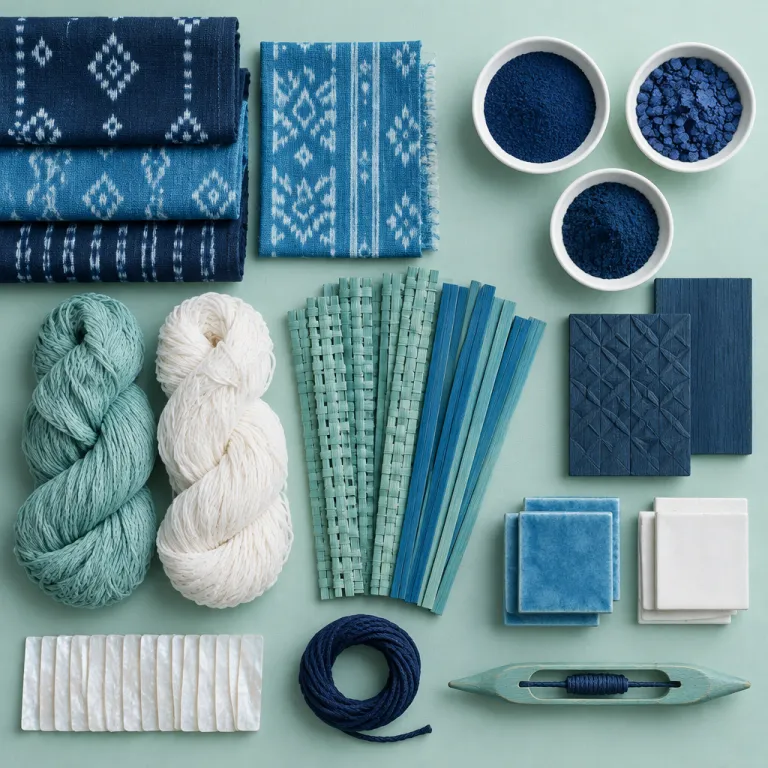
In the best thai artisan craft hotels, every material choice is a quiet essay on Thai culture. Silk is not generic; it is hand woven in northern Thailand, often dyed with natural pigments and commissioned in specific palettes for a single hotel suite. When you run your hand along a bed runner or curtain, you feel the slight irregularity that signals artisans work, not machine perfection.
Benjarong porcelain, once reserved for royal households, now appears in tea sets and bathroom accessories in refined hotels across Thailand. When a property commissions a small social enterprise ceramic studio rather than ordering anonymous pieces, guests drink morning tea from cups whose patterns reference local art and regional stories. At some riverside hotels in Chiang Mai, for example, Benjarong patterns are adapted from temple murals along the Ping River. Gold leaf, traditionally used in temple restoration, sometimes appears as a subtle art design accent behind a headboard, linking the quiet of your room to the devotional culture outside.
Hardwood joinery is another signature of thai artisan craft hotels, especially in Chiang Mai and other hill tribe influenced regions of northern Thailand. Instead of laminated panels, you see solid teak or tamarind, joined with traditional Thai techniques that allow the wood to breathe in tropical humidity. For couples who value tactility, this kind of craft turns a standard hotel room into a calm studio of textures, where every surface tells a story about travel, time and care.
When you look at adaptive reuse projects in bangkok thailand, you see this philosophy at work in heritage buildings as well. Thoughtful properties treat old timber staircases, shutters and beams as a canvas for local artisans, not as obstacles to be covered with drywall. At Plaza Athenee Nobu Bangkok, for instance, the 1884 building incorporates restored stair treads and carved balustrades commissioned from Chiang Mai woodworkers, according to the hotel’s own heritage restoration notes. For a deeper dive into how this plays out in the capital, see how one historic property uses commissioned craft as its new luxury playbook in this analysis of adaptive reuse in Bangkok.
Meeting the makers: workshops, studios and real cultural immersion
What separates thai artisan craft hotels from stylish hotels is access to the people behind the work. Many of the most thoughtful properties in Thailand now build activities around visits to a village art studio, a weaving cooperative or a wood carving workshop. Guests do not just admire local art on the walls; they see thai artisans at the loom, at the wheel or at the carving bench.
In Chiang Mai and across northern Thailand, some hotels organize small group workshops where travelers can try hand woven techniques, guided by local artisans who usually supply the property. A morning might start with a drive through rice fields to a hill tribe village, continue with a dyeing session using indigo vats, and end back at the hotel with a tasting menu that references the same plants used in the dye baths. At certain resorts near Mae Rim, couples can even visit a specific Karen or Hmong weaving group that produces the throws found in their suite. One Mae Rim property reports that a single seasonal collection of textiles can involve commissions from more than 40 hill tribe weavers, each paid per piece rather than per hour. For couples, these shared activities become some of the most memorable parts of a trip, far beyond a standard spa appointment.
On the coast near Pattaya or at a Banyan Tree resort in southeast Asia, you might find pottery workshops where guests shape small bowls that echo the hotel’s commissioned tableware. These sessions are not about producing perfect objects; they are about cultural immersion, understanding how artisans work and why fair pricing keeps traditions alive. If you want to understand how living craft and living hotel design intersect across Thailand, this guide to living craft in Thai hotels offers a detailed min read that pairs well with planning your own itinerary.
How to read a room: spotting genuine artisan partnerships
When you walk into a hotel room in Thailand, you can usually tell within minutes whether the craft is decorative or genuinely commissioned. Start with the information in the room; do you see names of thai artisans, villages or social enterprises on a printed card, or only vague references to “local art”. Genuine thai artisan craft hotels are proud to credit local artisans and often provide a short list of partner studios, sometimes with QR codes linking to their own websites.
Look closely at repetition and variation across the hotel. If every floor has identical prints and identical vases, you are probably seeing catalog decor rather than commissioned craft. In contrast, when each suite has slightly different hand woven textiles, unique wood carving panels or one off ceramic lamps, you are likely staying in a property where artisans work directly with the design team, adjusting art design details room by room.
Staff training is another reliable indicator, especially in hotels resorts that position themselves around thai culture. Ask a concierge or butler where a particular piece came from; in the best thai artisan craft hotels, they can tell you which hill tribe made the textile, which Chiang Mai studio fired the porcelain or which Pattaya woodworker carved the headboard. At one Chiang Mai riverside hotel, for instance, staff can point to a bedside lamp and explain that it was thrown at a family run studio in San Kamphaeng that now employs 12 artisans full time. Over time, travelers learn to read these signals quickly, choosing hotels where craft is part of the hospitality DNA rather than a thin layer added for marketing.
For couples planning travel around food as much as design, it is worth pairing this visual reading with an understanding of regional kitchens. Properties that take craft seriously often take culinary heritage seriously as well, especially in northern Thailand where Lanna recipes and ceramics often come from the same villages. To see how this plays out in detail, explore this piece on how Chiang Mai’s luxury kitchens cook Lanna cuisine for guests and notice how tableware, textiles and recipes form one coherent story.
Why commissioning village craft changes the meaning of luxury
For many couples booking thai artisan craft hotels, the appeal is emotional as much as aesthetic. A suite lined with catalog prints can be visually pleasing, but a room shaped by commissioned craft carries a sense of place that deepens every quiet moment. When you know that your headboard was carved by a family in northern Thailand, or that your hand woven throw came from a social enterprise supporting hill tribe women, the room becomes part of a wider cultural story.
This shift also changes what “the best” means in Thai hospitality. A hospitality award might still celebrate service metrics or spa facilities, yet more travelers now look for hotels and hotels resorts that support local artisans and thai culture in tangible ways. In this context, a Banyan Tree property that commissions regional wood carving or a small Chiang Mai hotel that partners with a weaving cooperative can feel more luxurious than a larger resort that imports its decor from overseas.
There is also a sustainability dimension that matters to many travelers from the United States and beyond. Commissioning from thai artisans keeps money in rural economies, reduces shipping footprints and helps ensure that traditional Thai techniques remain viable careers for younger generations. Some Chiang Mai cooperatives now report that as much as 60 percent of their annual income comes from hotel commissions rather than tourist markets alone. As you refine your own list of hotels in Thailand, pay attention to how each hotel talks about local art, artisans work and cultural immersion; those details will tell you as much about the soul of the place as any photograph of a pool at sunset.
FAQ
How can I find thai artisan craft hotels that work with local artisans
Start by reading each hotel website carefully and look for specific references to named thai artisans, villages or social enterprises rather than generic mentions of local art. Properties that take these partnerships seriously usually highlight workshops, studio visits or activities that connect guests with makers. Independent review platforms and specialist guides focused on Thailand can also help you identify hotels where commissioned craft is central to the experience.
Are artisan focused hotels more expensive than other luxury hotels in Thailand
Rates at thai artisan craft hotels span a wide range, from intimate city properties to large hotels resorts on the coast. Commissioning hand woven textiles or custom wood carving does add cost, but many hotels balance this by working directly with local artisans without middlemen. You will often find that the price premium, if any, reflects both the craft and the overall service level rather than decor alone.
What kinds of workshops can guests expect at these properties
Common activities include textile dyeing, basic weaving, pottery sessions, wood carving demonstrations and short introductions to traditional Thai painting or gold leaf work. Some hotels in Chiang Mai and northern Thailand arrange visits to hill tribe villages or art studio tours where travelers can see artisans work in their own environments. Coastal properties near Pattaya or in other parts of southeast Asia may focus more on ceramics, basketry or culinary workshops linked to regional culture.
How do I know if a hotel’s craft program is ethical and not just marketing
Ethical programs usually share clear information about fair payment, long term partnerships and how many local artisans benefit from commissions. Look for transparency about social enterprise collaborations, training initiatives and whether the hotel supports community infrastructure beyond buying products. When in doubt, ask direct questions by email before booking and see how detailed and specific the responses are.
Is it possible to buy the same crafts I see in my room
Many thai artisan craft hotels offer curated retail corners or catalogues where guests can order textiles, ceramics or wood pieces made by the same local artisans who furnished the rooms. Some properties arrange custom commissions that can be shipped internationally after your stay. If you prefer to buy directly, ask staff for a list of partner studios so you can visit them during your travel through Thailand.