How to use this Bangkok historic hotels guide in ninety seconds
Step into any Bangkok hotel lobby and you can read its decade. Within a minute you will find enough architectural cues to place your stay in the city’s long hospitality story, which is the real aim of this Bangkok historic hotels guide for returning business leisure travelers. Look up, slow your walk, and let the porte cochère, ceiling height, corridor light and even the breakfast room finishes tell you when and why this property was built.
Start with scale at the entrance, because the porte cochère of a grand riverside luxury hotel in the Bang Rak area feels very different from a compact inner city tower near a BTS station. Prewar properties along the Chao Phraya River, such as the heritage wing of Mandarin Oriental, Bangkok, use low verandas, deep eaves and generous street setbacks, while postwar modern hotels in central Bangkok favor taller canopies and a more vertical façade rhythm that signals a later era. When you stay Bangkok side in these older hotels Bangkok still feels like a port city, and the phraya river breeze reaches the lobby before the air conditioning does.
Next, read the lobby volume, because ceiling height and materials quietly announce whether you are in a mid century modern room tower or a contemporary glass sculpture. A 1970s hotel Bangkok property often has a double height lobby with heavy stone, while a 1990s or 2000s Bangkok hotel prefers polished marble, reflective glass and a more theatrical staircase that invites a slow walk to the bar. These first impressions shape your stay, from where you choose to sit with a laptop to how you move between street food outside and the more formal restaurants inside.
The five eras of Bangkok hotels and what they feel like
Bangkok’s luxury hotels fall into five broad eras, and understanding them turns a simple stay into a cultural reading of the city. The prewar riverside hotels, anchored by the Mandarin Oriental heritage wing on the bangkok riverside, belong to a world of teak verandas, ceiling fans and ceremonial lobbies where the phraya river is the main street and the city feels almost secondary. Here the room proportions are generous, corridors are wide, and breakfast often unfolds on shaded terraces that sit within easy walking distance of long running street food stalls and historic temples.
The postwar modernist push brought properties like the original Dusit Thani, where clean lines, concrete grids and a confident tower silhouette signaled a new business focused Bangkok area around Sala Daeng. These hotels bangkok wide were designed for executives who would stay bangkok for meetings, then walk a minute walk to nearby restaurants or take the BTS station to another district, and their rooms often balance compact footprints with large windows and efficient layouts. The 1990s boom added postmodern flourishes at places such as The Sukhothai and The Peninsula, where courtyards, pools and layered gardens softened the city’s intensity and created a new idea of the urban resort hotel bangkok style.
By the 2000s, the starchitect period arrived with properties like W Bangkok and the former Metropolitan, where glass, LED lighting and sculptural lobbies turned each luxury hotel into a nightlife statement. These hotels in the city center often have a great location for business and entertainment, but their room sizes can be tighter, with more emphasis on design gestures than on storage or long stay comfort. The most recent wave, defined by adaptive reuse and ultra luxury hotels, includes projects in historic customs houses and trading buildings, and as one expert summary notes without exaggeration, “Restoration of historic hotels”, “Integration of traditional elements in modern designs”, and “Sustainable architecture practices” now sit at the heart of serious development conversations.
Reading the lobby: five visual cues that decode the decade
Once you know the eras, the lobby of any bangkok hotel becomes a quick architectural quiz. The first cue is the porte cochère scale and how your car or taxi approaches the entrance, because a sprawling driveway with manicured gardens usually signals a 1990s resort era build, while a tight urban drop off on a busy street often belongs to a later tower that had to negotiate higher land prices. In contrast, a riverside entrance that faces the phraya river rather than the road usually points to a prewar or early modern property whose identity is tied to water rather than asphalt.
The second cue is ceiling height and lighting, which together tell you whether the hotel was designed for ceremony or speed. A low, fan cooled lobby with teak columns and patterned tiles usually belongs to an older riverside property, while a triple height glass atrium with dramatic chandeliers and polished stone floors is typical of 2000s luxury hotels in the Sathorn or Chidlom area. For a deeper dive into how these choices shape your stay, from acoustics to privacy, our guide to Bangkok room elegance for discerning stays breaks down how room finishes, window to wall ratios and corridor lighting all evolved across decades.
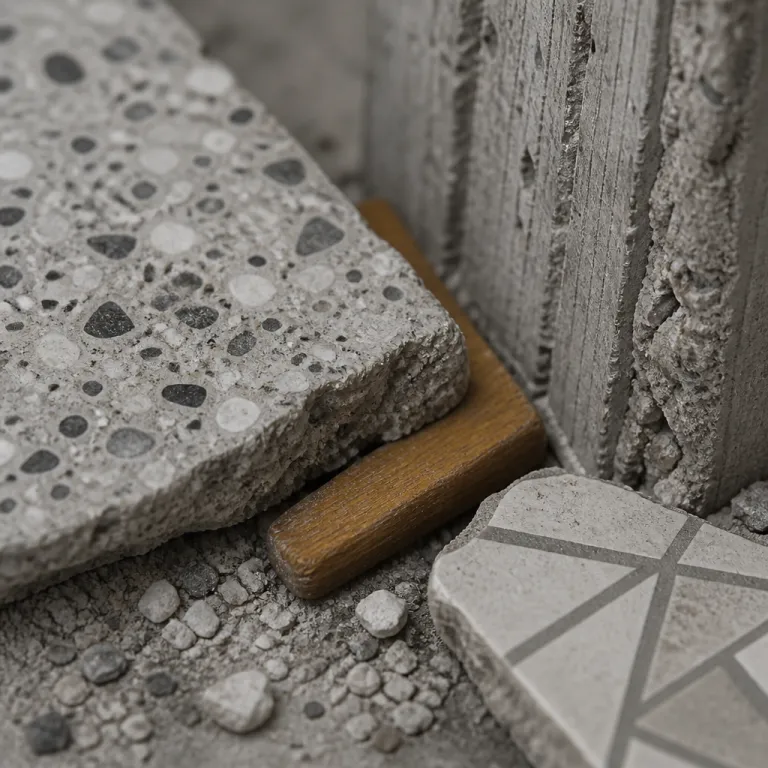
The third cue is the materials palette, especially at reception and along the main walk from entrance to elevators. Heavy terrazzo, dark stone and brass railings often indicate a 1970s or 1980s build, while pale marble, glass balustrades and LED strips usually belong to the 1990s and 2000s, and reclaimed timber or exposed brick often signals a more recent adaptive reuse project. Together with the way staff use the space, from formal check in desks to casual seating clusters, these details shape how your stay bangkok experience feels, whether you are arriving from khao san road after meetings or from a quieter riverside pier.
Where to stay: riverside grace, city towers and khao san contrasts
Choosing where to stay in Bangkok is really a choice about which version of the city you want to inhabit for a few nights. Along the bangkok riverside, heritage properties and newer luxury hotels frame the phraya river as the main axis of life, with boat piers functioning almost like a private BTS station for the water, and the city’s noise softened by distance and gardens. Here you will find some of the best breakfast terraces in the city, generous room layouts and a slower walk between lobby, pool and restaurants that suits travelers who value calm over instant street access.
Move inland and the experience changes quickly, especially in the Silom, Sukhumvit and Ratchaprasong area where modern towers cluster around transit. Hotels bangkok wide in these districts often prioritize a great location near offices, malls and nightlife, with a minute walk to a BTS station becoming a key selling point for business leisure guests. Prices can vary sharply by decade of construction, so a slightly older luxury hotel may offer larger rooms and more personal service at a better rate than a newer tower that trades on design and brand alone.
Then there is the khao san and san road zone, where the energy of backpacker street life meets a growing layer of more polished properties. Staying near khao san road places you within walking distance of dense street food, casual bars and some of the city’s most atmospheric old town streets, but it also means more noise and smaller room footprints in many hotels. For travelers who want heritage without the crowds, pairing a few nights in a riverside favorite bangkok property with a quieter design forward stay elsewhere in Thailand, such as the Sino Portuguese inspired retreat we review in detail at this Surin Beach hotel guide, can create a balanced itinerary.
Why the decade matters for service, rooms and daily rhythm
The decade your hotel was built quietly shapes almost every aspect of your stay, from room dimensions to how you interact with staff. Older riverside properties and early modern towers often have larger standard rooms, deeper wardrobes and more generous bathrooms, because land prices and construction norms allowed for a different ratio of built space to guest count. Newer city center towers, especially in dense business districts, may offer more modern technology and design but often trade down on room size to keep prices competitive.
Service culture also tracks with era, because hotels that opened when Bangkok had fewer international chains often maintain higher staff to room ratios and a more personalized style of hospitality. In contrast, some contemporary properties lean into efficient, tech forward service with mobile check in and fewer formalities, which can suit short business stays but may feel less atmospheric for travelers seeking a sense of place. Bar culture follows a similar pattern, with older hotels using their riverside terraces or street facing lounges as social hubs, while newer towers push guests upward to rooftop bars that frame the city as a glittering backdrop rather than a lived in neighborhood.
Even breakfast tells a story, because heritage properties often serve morning meals in garden courtyards or verandas that open to the phraya river, while modern towers rely on high capacity buffet rooms designed for speed. If you value quiet coffee rituals and the chance to watch the city wake up at street level, an older property in a mixed use area may suit you better than a tower whose main restaurant sits several floors above the street. For travelers timing trips around major cultural events, our analysis of which luxury hotels turned Songkran into a destination experience shows how different eras of hotels program their public spaces during festivals.
Choosing your version of Bangkok: a short manifesto for repeat visitors
Every time you book a hotel in Bangkok, you are choosing which chapter of the city’s story you want to read from your room window. A stay in a restored riverside grande dame places you in a world where the phraya river is still the main artery, long tail boats replace taxis, and the city’s pace feels filtered through history and ceremony. A night in a glass and steel tower near a BTS station, by contrast, immerses you in a hyper modern metropolis of rooftop bars, malls and fast moving street life.
For business leisure travelers who return often, alternating between eras can keep the city fresh while deepening your understanding of its evolution. One trip might pair a few nights in a heritage riverside favorite with a shorter stay in a 1990s urban resort that offers gardens and pools within walking distance of central offices, while another might focus on adaptive reuse properties that turn former trading houses into intimate luxury hotels. Over time, you will find that your favorite bangkok stays are less about brand and more about how the building’s age, area and architecture align with the way you like to move between meetings, street food and quiet moments by the water.
Bangkok hotel architects, hotel developers and interior designers have collectively created a living museum of twentieth and twenty first century design, spread across more than a thousand hotels in the city. When you learn to read their work through this Bangkok historic hotels guide, every lobby walk, corridor turn and breakfast room entrance becomes part of a richer, more intentional way to stay bangkok. The result is not just a better hotel bangkok choice, but a more nuanced relationship with a city that rewards repeat visits and close attention.
FAQ
How can I identify a Bangkok hotel's construction decade quickly ?
You can often identify a hotel’s construction decade by looking at its entrance scale, lobby ceiling height, materials and window proportions. Postwar modernist properties tend to use concrete grids and modest lobbies, while 1990s and 2000s towers favor tall glass atriums and polished stone. As one expert answer puts it succinctly, “How can I identify a hotel's construction decade? By examining architectural styles and design elements characteristic of specific eras.”
Are there guided tours focused on Bangkok hotel architecture ?
Yes, several specialist tours in Bangkok focus on hotel architecture and the city’s broader built heritage. These tours often combine visits to riverside grande dames, modernist towers and adaptive reuse projects, giving context on how each era reflects economic and cultural shifts. According to local guidance, “Are there guided tours focusing on Bangkok's hotel architecture? Yes, several tours highlight the architectural history of Bangkok's hotels.”
Which Bangkok hotels are best for historic architecture lovers ?
Travelers interested in historic architecture often prioritize riverside properties and early modern icons. The Siam and Mandarin Oriental, Bangkok are frequently cited for their heritage wings, traditional materials and strong sense of place along the phraya river. Expert material confirms that “Hotels like The Siam and Mandarin Oriental showcase historic architectural styles.”
Does staying by the Bangkok riverside feel very different from staying in the city center ?
Staying along the bangkok riverside usually feels calmer and more resort like, with boat transfers, garden courtyards and a stronger connection to the city’s trading past. City center stays near a BTS station offer faster access to offices, malls and nightlife, but often at the cost of smaller rooms and busier streets. Many repeat visitors alternate between the two to balance work, culture and relaxation.
Is it worth paying more for an older luxury hotel instead of a new tower ?
Older luxury hotels often offer larger rooms, more atmospheric public spaces and higher staff to guest ratios, which can justify higher prices for travelers who value comfort and character. Newer towers may provide more contemporary design and technology, but sometimes with tighter layouts and a more standardized feel. The best choice depends on whether you prioritize space and heritage or cutting edge amenities and immediate proximity to new developments.