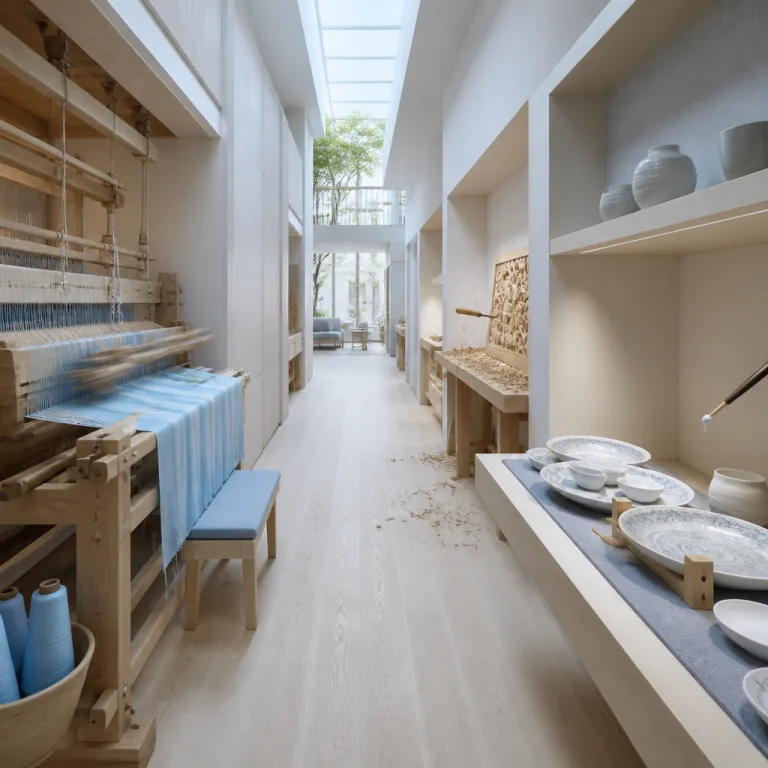
From lobby gallery to living loom: why thai crafts define modern luxury
In Thailand’s most thoughtful luxury hotels, craft is no longer decoration. These thai crafts luxury hotels treat every corridor, pool terrace, and spa pavilion as a canvas where living traditions quietly frame your stay and shape how you feel in the space. For independent travelers who read a room as closely as a guidebook, this shift turns each hotel into a curated journey through thai art and design.
The change is visible from bangkok to chiang mai, from hua hin to koh samui. In the capital, a hotel in bangkok that takes craft seriously will commission local smith artisans for bronze door handles, specify handwoven silk for suites, and pair state of the art lighting with traditional thai joinery in the lobby. Up north, hotels thailand wide are collaborating with village weavers and ceramicists so that every piece you touch, from a tea cup to a pool lounger cushion, carries a trace of the region’s history.
Data from the Thai Hotel Association shows that at least fifteen hotels now integrate traditional crafts as a core design language. That number may sound modest, yet within this small circle sit some of the top luxury addresses in thailand, properties that set the benchmark for hotels resorts across the country. When you book one of these luxury hotels, you are not only reserving a suite with a swimming pool or spa, you are entering a network of artisans whose livelihoods depend on long term partnerships rather than one off orders.
Guests often ask which thai crafts luxury hotels genuinely support makers rather than simply styling rooms with imported décor. The most reliable answer comes from how these hotels talk about their collaborators and whether they offer time, space, and fair payment to the people behind the work. As one industry summary puts it, “Hotels like Raya Heritage and Terracotta Arts Hotel integrate traditional crafts.”
Thai silk and the loom beyond the gift shop
Thai silk is the quiet star of many thai crafts luxury hotels, yet its story rarely ends at the boutique display. In the best properties, silk runs from the headboard to the spa treatment bed, then out to the pool cabanas, each weave chosen to echo local motifs and the rhythm of village looms. When you stay in these suites, you feel the difference between generic fabric and silk that has passed through the hands of a single family atelier.
In chiang mai, Raya Heritage has become a reference point for how hotels thailand can embed weaving into the architecture itself. Handwoven textiles soften concrete lines, mulberry paper screens filter the siam sun, and traditional thai patterns appear in both bed runners and framed art, turning each room into a small gallery. Down in koh samui, Manathai Koh Samui uses silk and cotton in lighter, coastal palettes, proving that thai art in textiles can feel breezy rather than formal while still meeting the expectations of top luxury travelers.
Bangkok’s riverside and embassy districts offer a different reading of silk, one that pairs heritage with metropolitan energy. At properties in metropolitan bangkok, you might see Jim Thompson style weaves used as wall panels in a hotel bangkok lobby, or as upholstery in a discreet spa relaxation room where the only sound is water from a nearby infinity pool. For a deeper dive into how historic buildings in bangkok thailand are being reimagined with textiles, adaptive reuse case studies such as the transformation of a nineteenth century palace into a contemporary luxury hotel, explored in this analysis of Bangkok’s adaptive reuse luxury hotel playbook, show how silk can bridge royal history and present day comfort.
For solo travelers, the advantage is intimacy ; you can often book a one on one session with a weaver rather than join a large group tour. Some thai crafts luxury hotels arrange free shuttle transfers to nearby villages, where you sit beside the loom and watch a smith hammer pattern stamps while the weaver explains natural dyes. When you return to your hotel, the silk on your bed and the shawl in your suitcase feel less like décor and more like a relationship you have begun to build.
Porcelain, terracotta, and the art of the thai table
Porcelain and clay are where thai crafts luxury hotels most clearly blur the line between dining room and gallery. In the right hands, benjarong style porcelain, with its intricate five color patterns, becomes the stage for contemporary dining rather than a relic locked in a cabinet. When you sit down to dinner in these hotels, the plate beneath your som tam or grilled river prawn carries as much narrative weight as the menu itself.
Terracotta Arts Hotel in chiang mai shows how a single material can define an entire resort. Here, terracotta tiles, sculpted panels, and small garden shrines create a warm, earthy counterpoint to the cool blue of the pool and the green of surrounding trees. The effect is immersive ; you walk from your suites to the spa along pathways lined with clay reliefs that reference temple friezes, each piece commissioned from local artists rather than bought wholesale from a distant factory.
In bangkok, porcelain often takes center stage in fine dining options that reinterpret royal recipes for a modern audience. Some hotel restaurants use benjarong bowls for tasting menus, pairing them with state of the art lighting and minimalist table linens so the color and line of the thai art remain the focus. When you read the wine list or explore hotel offers that bundle tasting menus with a stay, look for notes about collaborations with specific kilns or artisan families, a sign that the relationship goes beyond a single order.
Ayutthaya’s Sala Ayutthaya adds another layer by juxtaposing rough local brickwork with smooth ceramics, turning its riverside dining terraces into open air galleries. Here, the view of temple spires across the water competes with the sculpted clay walls behind you, a reminder that hotels resorts can be both frame and subject in the landscape. For travelers interested in how heritage architecture shapes hospitality, a parallel story unfolds in Phuket’s Sino Portuguese shophouses, many of which have been converted into intimate design forward properties, as explored in this guide to Sino Portuguese townhouses turned luxury stays.
Wood, gold leaf, and the invisible crafts of calm
Step into the lobby of a serious thai crafts luxury hotel and look up, not around. The ceiling beams, carved screens, and joinery lines often tell you more about the property’s values than any statement artwork on the wall. Tropical hardwood, when handled by skilled carpenters, can make even a large resort feel like a quiet house, with each joint and curve tuned to soften sound and light.
In northern thailand, Lanna inspired properties use teak and local hardwoods to echo the structure of traditional thai houses, raising walkways above gardens and framing views of the pool or river. Raya Heritage in chiang mai is a textbook example ; its open air corridors, hand carved stair rails, and timber daybeds show how hotels thailand can commission new work that respects old techniques without sliding into pastiche. The result is a resort spa environment where the architecture itself feels like a form of slow therapy, long before you reach the treatment room.
Gold leaf, usually associated with temple murals, has quietly shaped the spa language of many luxury hotels. Instead of literal gilded walls, you see its influence in the way light glances off textured plaster, in brass inlays on massage tables, and in the warm glow of lanterns reflected in a still swimming pool at night. Some spas integrate gold leaf rituals into treatments, but the more interesting stories lie in how they work with local artisans to adapt sacred techniques for secular spaces without losing respect.
Bangkok’s more contemporary addresses, including design forward properties near the como metropolitan and standard bangkok neighborhoods, often pair clean lines with crafted details. A hotel in bangkok thailand might use reclaimed timber for a rooftop bar, then commission a smith to forge custom railings that echo temple motifs in a subtle, almost abstract way. For solo travelers, these details reward slow observation ; a quiet hour by the infinity pool or in a free to access co working lounge becomes a lesson in how wood, metal, and light can turn a standard stay into something memorably calm.
How to read a hotel’s craft credentials when you book
Choosing among thai crafts luxury hotels can feel overwhelming when every website promises authenticity. The key is to read between the lines of the marketing copy and focus on how specifically a hotel talks about its thai art and artisan partners. Properties that simply list “local décor” without names, villages, or techniques are usually styling with catalog pieces rather than commissioning real work.
Start with the rooms and suites section when you book online. Look for mentions of handwoven textiles from chiang mai, terracotta from specific kilns, or woodwork by named carpenters from northern thailand, details that show the hotel knows its own supply chain. In bangkok, a credible hotel bangkok listing might highlight collaborations with communities along the Chao Phraya, while a koh samui or hua hin resort will often reference coastal craft traditions such as boat building or coconut wood carving.
Next, examine the spa and dining options pages, where partnerships often run deepest. A resort spa that works with local herbalists and potters for treatment bowls, or a restaurant that serves tasting menus on benjarong porcelain sourced from a single family workshop, is investing in more than surface aesthetics. When you see hotel offers that bundle a stay with craft workshops, check whether group sizes are capped and whether artisans are paid directly, two signs that the experience respects both maker and guest.
Finally, use your solo traveler flexibility to go smaller and slower once you arrive. Ask staff for recommendations beyond the standard bangkok or siam shopping circuits, and request introductions to weavers, ceramicists, or smith metalworkers the hotel already supports. The best thai crafts luxury hotels will happily arrange free time in your schedule for studio visits, turning your pool day into a craft trail that threads quietly between city, village, and the calm of your temporary home.
FAQ
Which thai hotels incorporate traditional crafts in a serious way ?
Several properties across thailand now treat craft as a core part of their identity rather than a decorative afterthought. In chiang mai, Raya Heritage and Terracotta Arts Hotel both integrate textiles, terracotta, and woodwork commissioned from local artisans into rooms, public spaces, and spa areas. On the coast, Manathai Koh Samui and Sala Ayutthaya use regional materials such as brick, porcelain, and carved wood to root their design in local history.
How do these hotels support local artisans beyond buying décor ?
The most committed thai crafts luxury hotels build long term relationships with craft communities, often working through cooperatives or cultural organizations. They commission custom pieces, pay fair prices, and involve artisans in the design process for suites, restaurants, and spa facilities. Many also host workshops, talks, or market days on site, giving guests a chance to meet makers directly and purchase work without intermediaries.
What crafts are most commonly featured in thai luxury hotels ?
Silk textiles, terracotta ceramics, and intricate woodwork are the most visible crafts in thai luxury hotels. You will often see handwoven fabrics in headboards and cushions, clay tiles and sculptures in courtyards and pool decks, and carved timber in lobbies, staircases, and spa pavilions. In some properties, benjarong porcelain, gold leaf inspired finishes, and contemporary thai art also play important roles in the overall design language.
How can I tell if a hotel’s craft experiences are authentic when I book ?
Authentic craft focused hotels usually name their artisan partners, villages, or specific techniques on their websites and in room materials. Look for detailed descriptions of where textiles, ceramics, or woodwork come from, and for small group or one on one workshops rather than large generic classes. If in doubt, email the hotel with questions about their collaborations ; transparent, specific answers are a strong sign of genuine engagement.
Are craft focused luxury hotels suitable for solo travelers ?
These properties can be especially rewarding for solo guests because smaller workshops and studio visits are easier to arrange for one person. You gain more time with artisans, more flexibility in scheduling around pool or spa sessions, and more space to explore chiang mai, bangkok, or coastal towns at your own pace. Many thai crafts luxury hotels also offer free or low key cultural activities that make it easy to meet other travelers without joining large tour groups.
Sources
Tourism Authority of Thailand ; Thai Hotel Association ; Jim Thompson Thai Silk Company.