Plaza Athénée Nobu Bangkok design as a riverside statement
Plaza Athénée Nobu Bangkok design begins with the river itself. Along the Chao Phraya, the former East Asiatic Company building stands like a pale brick ship, facing the water and the shifting light of Bangkok. For travelers who choose a hotel for its architecture first, this stretch of river in Thailand sets the tone before a single key card is issued.
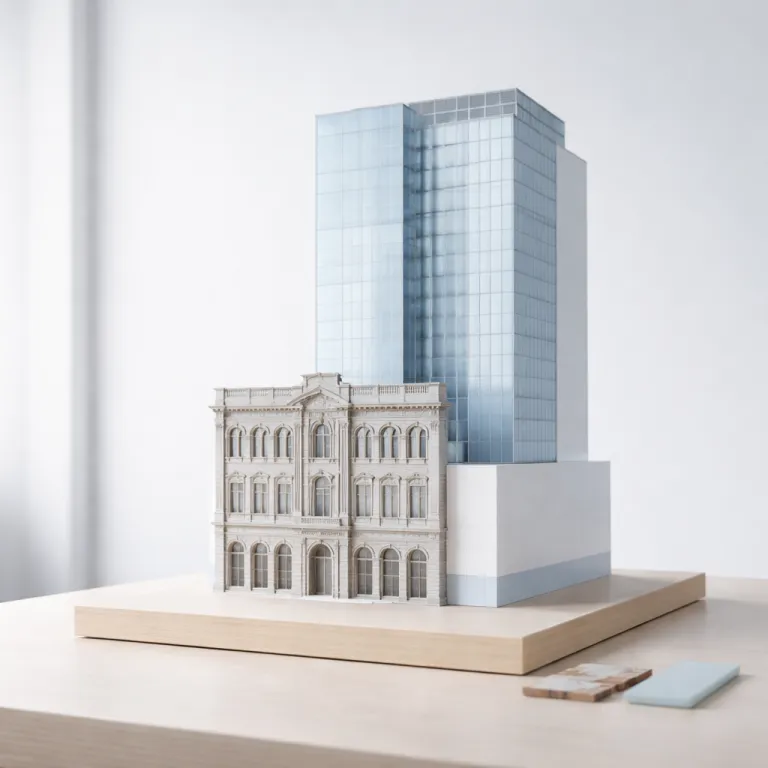
The original structure dates to the height of European trade along the Phraya River, when the East Asiatic trading empire used this Neo Venetian façade as its Bangkok office. Asset World Corporation, often referred to as AWC, has taken that commercial shell and, in partnership with Nobu Hospitality and design firm Rockwell Group, is transforming it into the Plaza Athénée Nobu Hotel and Spa Bangkok. According to AWC’s official announcements and Nobu Hospitality press releases, the project is scheduled to open in 2026 and will include a luxury hotel and branded residences, signaling more than another hotel Bangkok opening; it marks a shift in how heritage buildings are treated as living assets rather than static monuments.
For couples browsing luxury hotels in Bangkok, the Plaza Athénée narrative matters as much as the thread count. Here, the plaza is not a generic forecourt but a sequence of river facing spaces that frame the Chao Phraya like a private stage. This is where the future Nobu hotel will welcome guests into an atmosphere that feels both east and west, both trading house and tranquil hotel spa.
From East Asiatic warehouse to Athénée Nobu residence
Step inside the old East Asiatic building and you understand the design challenge. Load bearing brick walls, deep window reveals and long warehouse floor plates were never meant for a Nobu hotel lobby, let alone a spa Bangkok couples retreat. Rockwell Group’s adaptive reuse strategy keeps those structural bones while threading in mezzanines, new staircases and a more fluid circulation that suits contemporary hospitality.
Plaza Athénée Nobu Bangkok design respects the original east facing river orientation, so many future suites and Nobu Residences Bangkok units are planned to look directly onto the Chao Phraya. Where cargo once moved, there will be Nobu Bangkok guestrooms, a hotel spa and Nobu branded residences that treat the river as a calming backdrop rather than a working port. Asset World Corporation positions this as part of a broader Bangkok plaza revitalisation, where each restored asset contributes to a softer, more walkable riverfront.
For guests who love architecture, booking this hotel in Bangkok is less about a bed near the rooftop bar and more about sleeping inside a carefully edited fragment of trading history. The Athénée Nobu narrative will be legible in the brick arches, the preserved timber beams and the way the new rooftop spaces echo the building’s original cornice line. Couples who value design will feel that every corridor, every stair, has been argued over and resolved rather than simply decorated.
Nobu minimalism meets European ornament and Thai river light
The most intriguing tension in Plaza Athénée Nobu Bangkok design lies in the collision of styles. Nobu Hospitality brings a language of Japanese minimalism, warm timber, shoji like screens and a calm, almost meditative approach to light. The East Asiatic shell, by contrast, carries Neo Venetian arches, pilasters and a certain mercantile swagger that once signalled a European trading empire on the edge of the east.
Rockwell Group’s task is to let both voices speak without turning the hotel into a theme park. In practice, that means Nobu Bangkok interiors will pare back ornament inside, while framing original windows and river views as the main decoration. Public spaces such as the rooftop bar, the main Nobu restaurant and the spa Bangkok relaxation lounges are expected to use a restrained palette, allowing the Chao Phraya and the building’s proportions to do the heavy lifting.
For couples, the result should feel like a calm refuge within Bangkok Nobu branded energy, not a loud design statement. Plaza Athénée as a name carries Parisian associations, yet here the Athénée Nobu mix is filtered through Thai river culture and the slower pace of longtail boats gliding past. This is hospitality that understands guests will remember the way late afternoon light hits a plaster wall more than any logo.
Rooftop empire, riverfront calm and the new Bangkok plaza life
Bangkok’s luxury scene has long been defined by its rooftops, and Plaza Athénée Nobu Bangkok design leans into that vertical drama. Expect a kind of rooftop empire above the East Asiatic cornice line, where a rooftop bar, pool deck and private event terraces extend the hotel upwards. From here, couples will look down at the Chao Phraya, across to the east bank and along the curve of the river towards the old trading warehouses.
Yet the real power of this hotel spa hybrid lies at water level. AWC, as a leading asset corporation in Thailand, understands that the Phraya River edge is where guests feel the city’s older rhythm, so riverfront restaurants, lounges and Nobu Residences style amenities are planned to open directly onto the promenade. This is where Plaza Athénée guests will move between hotel, spa, rooftop and river, experiencing Bangkok as a layered vertical village rather than a single tower.
For design focused travelers, that choreography matters more than any single Instagram angle. The way you step from a Nobu hotel breakfast room to a shaded river terrace, then up to a rooftop bar for sunset, defines the emotional arc of a stay. Couples who book for architecture will appreciate how every level, from lobby to rooftop empire, has been considered as part of one continuous experience.
How Plaza Athénée Nobu Bangkok design compares and what it means for your stay
Bangkok already offers serious riverside design credentials. The Siam turned an old theater and riverside land into a moody, art filled compound, while Capella Bangkok used new build precision to frame the river with low rise, resort like calm. Plaza Athénée Nobu Bangkok design sits between those extremes, using a single historic shell from the East Asiatic era and layering Nobu hospitality, a hotel spa and residences style living into one coherent project.
For couples choosing between hotels, the question becomes simple. If you want maximal privacy and resort seclusion, The Siam excels; if you prefer a contemporary glass framed river view, Capella Bangkok delivers; if you are drawn to the story of a trading house reborn as a Nobu hotel with a rooftop bar and a spa York level of urban polish, then this Bangkok plaza project will likely speak to you. To deepen your thinking about how relaxation concepts shape such stays, explore this guide to elevating your stay on luxury and premium hotel booking websites in Thailand at a dedicated article on relaxation concepts for luxury stays.
For travelers who book the building before the brand, Plaza Athénée is a case study in how an asset can be both heritage and forward looking. “A luxury hotel developed by AWC and Nobu Hospitality, opening in 2026.” sums up the partnership, but the lived experience will be felt in the quiet of a Nobu Residences corridor, the hum of a rooftop bar and the way the Chao Phraya breeze moves through a restored arch. This is where the empire of trade gives way to an empire of carefully edited calm.
FAQ
What is the Plaza Athénée Nobu Hotel and Spa Bangkok ?
The Plaza Athénée Nobu Hotel and Spa Bangkok is a luxury property created by Asset World Corporation and Nobu Hospitality inside the historic East Asiatic Company building on the Chao Phraya River. It combines a Nobu hotel, a full service hotel spa and Nobu Residences style accommodation under one Plaza Athénée branded roof. For guests, this means a design driven hotel Bangkok stay that blends heritage architecture with Japanese influenced minimalism.
Where exactly is the hotel located along the river ?
The hotel occupies the former East Asiatic Company building on the banks of the Chao Phraya, close to other restored warehouses and piers in central Bangkok. This location places guests within easy boat reach of major temples upriver and newer riverfront developments downriver. Couples can move between the calm of the hotel spa and the energy of the city without long transfers.
How does the design respect the original East Asiatic architecture ?
Rockwell Group’s design keeps key structural elements such as load bearing brick walls, tall arched windows and the Neo Venetian façade that once fronted the trading empire. Inside, floor plates are reworked with mezzanines and new circulation to suit modern hospitality, while original details are highlighted rather than hidden. The result is a Plaza Athénée Nobu Bangkok design that feels authentic to the building’s east facing river history.
What kind of experiences can couples expect during their stay ?
Couples can expect a layered experience that moves between Nobu restaurant dining, spa Bangkok rituals, rooftop bar sunsets and quiet riverfront moments. Rooms and Nobu Residences style suites are planned to offer direct river views, while public spaces connect vertically from lobby to rooftop empire. The overall hospitality approach focuses on calm, detail rich service rather than spectacle.
How does this project compare with other luxury riverside hotels in Bangkok ?
Compared with other hotels along the Chao Phraya, Plaza Athénée Nobu Bangkok design is distinctive because it reuses a single historic trading building rather than building new towers. Properties like The Siam and Capella Bangkok offer different interpretations of riverside luxury, but few combine a Nobu hotel, a heritage shell and a full hotel spa in one asset. For travelers who value architecture and narrative, this makes the Bangkok Nobu project particularly compelling.