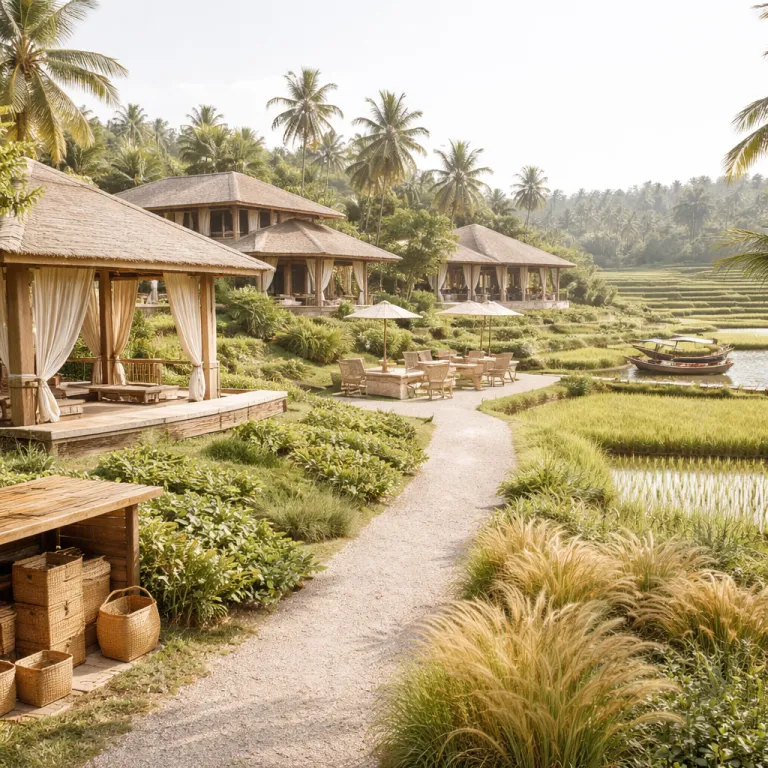
The new meaning of a resort stay in Thailand for couples
Search for a resort in Thailand today and you will see far more than a simple pool and palm trees. The best luxury retreats now blend wellness rituals, serious gastronomy and access to local culture into one carefully designed stay. Couples who understand this shift can choose a room or villa that feels personal rather than generic.
Across the country, four archetypes now define how an upscale resort behaves for guests. Beachfront properties, hillside retreats, private island-style hideaways and urban sanctuaries each frame the sea, the pool and the surrounding landscape in very different ways. Before you check rates, decide whether you want to wake to a beachfront pool at a classic beach resort, a view pool over jungle, a skyline panorama or a riverfront sala where you can enjoy quiet evenings.
On the Andaman coast, Aleenta Phuket Resort & Spa shows how a modern beach address can feel like a wellness residence. Many suites and each pool villa come with a private pool, daily breakfast focused on local produce and access to a serious spa and yoga programme. In contrast, The Chava Resort in Phuket leans into apartment-style living, where a large bedroom and generous living room give couples space to stay longer and enjoy slow mornings.
Over in the Gulf, Four Seasons Resort Koh Samui demonstrates the private island archetype with hillside pool villa options that face the sea and the Gulf of Thailand. Each villa has a private pool and a shaded sala, so couples can enjoy uninterrupted views while children, if they join, still have space to play. On quieter stretches of sand, The Seven Seas Resort on Koh Kradan and Cher Resort near Cha-am keep the focus on the natural setting, with white beaches, clear sea and simple rooms that frame the views.
Urban resorts are evolving too, especially in Phuket, where Veranda Resort Phuket, Autograph Collection positions itself between city energy and resort calm. Here the pool and room design nod to Phuket Old Town, while the video content on the official site highlights how couples can enjoy both heritage streets and a relaxed stay. Craft Resort & Villas in Phuket also integrates traditional Thai design details into each villa and bedroom, proving that a Thai resort can feel rooted in place rather than interchangeable.
When you compare these archetypes, look beyond headline offers and glossy photos or videos. A serious property will publish clear details about wellness schedules, cooking classes, cultural excursions and sustainability initiatives such as a vegetable garden or reef projects. Use those details to check whether the resort is simply hosting activities or genuinely designing a stay that feels unforgettable for you.
Beachfront escapes in Phuket, Hua Hin and beyond
For many couples, the phrase resort in Thailand still conjures a beach hotel with a long pool and a bar facing the sea. That image is not wrong, but the best beachfront escapes now use that pool and the shoreline as a stage for more thoughtful experiences. Your task is to read between the lines of each offer and decide which stretch of sand matches your rhythm.
On Phuket’s quieter west coast, Aleenta Phuket Resort & Spa and The Chava Resort both offer easy access to the sea with suites and pool villa categories that prioritise privacy. At Aleenta, many villas feature a private pool just a few steps from the bedroom, while daily breakfast can be served in-room so you can enjoy sunrise in your own sala. The Chava’s apartment-style layouts give you a spacious bedroom configuration and a separate living room, which suits couples who want space to work, read and stay for a week or more.
Hua Hin and Cha-am remain classic choices for Bangkok-based couples seeking a quick seaside escape. Veranda Resort & Villas Hua Hin Cha Am stretches along a soft beach, with a beachfront pool that becomes the social heart of the resort at sunset. Nearby, Raya Resort and Cher Resort keep guest numbers low, so you can enjoy a quieter beach villa or pool villa stay with more personalised service and fewer children around the pool.
If you are considering Krabi or the wider Andaman coast, look at hotels near Nopparat Thara Beach and Ao Nang for a softer take on the beach resort format. Properties in this area often balance access to island hopping with calmer seas and a more local feel than some parts of Phuket. When you check each resort website, pay attention to photo galleries and videos that show the beach at different tides, because the quality of the sea and the views can change dramatically through the day.
On smaller islands, The Seven Seas Resort on Koh Kradan offers a textbook natural setting with white sand, clear water and simple rooms that open directly to the beach. Here the beachfront pool is less important than the reef just offshore, and couples often spend more time in the sea than in the pool. De Veranio Resort in Trat province follows a similar logic, with rooms and villas that frame mangroves and quiet beaches rather than a grand lobby.
Wherever you go, ask practical questions before you book a beach villa or pool villa. How many children does the resort typically host during your dates, and is the beachfront pool shared with day visitors or reserved for in-house guests only? These details will shape whether your stay feels like a calm, romantic escape or a busy family holiday, even at the same address.
Island private and hillside retreats in Koh Samui and Chiang Mai
Not every resort experience in Thailand needs to unfold on a flat strip of sand. For couples who care more about views and privacy than about walking straight onto the beach, hillside retreats and private hideaways can be far more rewarding. These properties use elevation, forest and distance to create a different kind of unforgettable stay.
Four Seasons Resort Koh Samui is the clearest example of this island-style archetype, with pool villa categories stepping down a lush hillside. Each villa has a private pool, a shaded sala and a generous bedroom layout that opens to the sea, so you wake to uninterrupted views of the gulf. The resort’s photos and videos focus as much on the view pool and the surrounding coconut groves as on the beach itself, which tells you where the real magic lies.
Across Koh Samui, other coastal resorts follow this hillside logic, offering a mix of beach villas and elevated pool villa options. When you check their offers, look for details about buggy access, steps and distances, because a dramatic view pool often means a steep climb back to your room. Couples who value privacy will enjoy being higher up, while those who plan to swim in the sea several times a day may prefer a beach villa closer to the shoreline.
In the north, Chiang Mai has quietly become a destination for couples who prefer mountains to islands. Here, hillside retreats swap the sea for rice paddies, forest and river views, with rooms and villas designed around cool evenings and misty mornings. Many properties now include cooking classes that use herbs from an on-site vegetable garden, along with wellness programmes that reflect the “Healing is the New Luxury” focus promoted by the Tourism Authority of Thailand.
Urban-style resorts in Chiang Mai city blur the line between hotel and resort, offering a central pool, generous room sizes and curated experiences. You might start the day with daily breakfast in a leafy courtyard, then join cooking classes in the afternoon before returning to a rooftop view pool. For couples who like to mix café hopping, temples and spa time, this format can feel like Thailand’s best compromise between culture and comfort.
When comparing hillside retreats in Chiang Mai, Koh Samui and other coastal regions, pay attention to how each property talks about its programming. Some simply list generic activities, while others outline residency chefs, visiting wellness practitioners and detailed cultural itineraries that justify higher rates. For a deeper look at how five-star international stays in Thailand are evolving, explore curated guides for refined global travellers, which often highlight which resorts are genuinely investing in experiences rather than just adding another pool.
Programming that makes a resort stay unforgettable
The easiest way to separate a generic Thai resort from a serious one is to study its programming. A strong property does not just offer a pool and a spa; it designs a stay that layers wellness, gastronomy and culture in a way that feels natural. Couples should read activity schedules as carefully as they read room descriptions.
Start with wellness, because Thailand’s current luxury reframing puts healing at the centre of the resort conversation. The Tourism Authority of Thailand’s “Healing is the New Luxury” campaign, for example, highlights how yoga, meditation and sleep support are now core themes for high-end stays. Look for details about breathwork, movement classes and recovery rituals, not just a long spa menu and a pretty view pool.
Gastronomy is the second pillar that now defines a modern resort experience in Thailand. Many leading properties host chef residencies, wine weekends and cooking classes that go beyond a token pad thai lesson, often using herbs from an on-site vegetable garden. When you check offers, see whether the resort highlights local markets, regional dishes and collaborations with Thai chefs, or whether it leans only on imported concepts that could sit in any beach resort worldwide.
Cultural access is the third test, and it matters as much in Phuket as in Chiang Mai or Koh Samui. Serious resorts now curate temple visits, craft workshops and neighbourhood walks that introduce guests to local life without turning it into a show. Some even partner with river cruise operators and slow travel specialists, so couples can extend their stay with journeys that move at a gentler pace than the usual island-hopping circuit.
Programming also shapes how you use your room, villa and shared spaces. A resort that schedules sunrise yoga, late afternoon tea and evening tastings will naturally draw you from your bedroom to the pool, sala and bar at different times of day. This rhythm can make a compact room feel generous, because you are constantly moving between the private pool, the beachfront pool and quieter corners of the property.
When you compare offers across island destinations and mainland beach areas, ask for a sample weekly schedule. Properties that invest in thoughtful programming will be proud to share details, including which activities are complimentary and which carry a fee. This transparency helps you judge the real value of a stay, beyond the headline rate and the first impression created by glossy photos and videos of the pool and the sea.
Rates, seasons and the off peak logic
Room rates at luxury resorts in Thailand have risen noticeably compared with five years ago. Industry reports from regional hotel consultancies point to higher operating costs, stronger demand and more ambitious wellness and gastronomy programming as key drivers. Couples who understand seasonal patterns and rate structures can still secure excellent value without compromising on quality.
High season along the Andaman and Gulf coasts typically runs from late November through March, when the sea is calm and the sky is clear. During these months, beachfront pool suites, private pool villas and premium room categories in Phuket, Koh Samui and other islands can sell at their highest rates. If you are flexible, consider travelling in May or June, when short tropical showers trade places with long sunny spells and many resorts quietly enhance their offers.
Off-peak logic is simple: when occupancy drops, the best resorts add value rather than just cutting prices. You might see offers that include daily breakfast, airport transfers, spa credits and even cooking classes using produce from the resort vegetable garden. Some properties also upgrade guests from a standard room to a pool villa or from a garden view to a view pool category, which can transform the feel of your stay.
Chiang Mai and other northern destinations follow a different seasonal rhythm, with cool, dry months that are ideal for hillside retreats. Here, rates for villas and rooms with grand views over rice fields or forest can be lower than equivalent sea-facing suites in a beach resort. Couples who are open to swapping the sea for mountains can often enjoy Thailand’s best value by pairing a few nights on an island with a longer stay up north.
When you check rates, always compare direct resort offers with trusted luxury travel advisors and booking platforms. Direct booking often unlocks small but meaningful extras, such as early check-in, late check-out or a complimentary dinner in a sala by the sea. Advisors, on the other hand, may secure better value on complex itineraries that combine multiple stays across Phuket, Koh Samui and Chiang Mai.
Whatever your route, remember that the cheapest rate rarely delivers the richest experience. A slightly higher nightly price that includes daily breakfast, curated activities and access to a private beach or quieter beachfront pool can produce a more unforgettable stay. Think in terms of total trip value rather than just the cost of a room or villa on a given night.
How to read photos, videos and facilities before you book
Most couples start their Thailand resort search with a gallery of photos and a few short videos. These images can be seductive, but they also hide as much as they reveal, especially when every pool looks turquoise and every sala faces a perfect sunset. Learning how to read visual content critically is one of the most useful skills you can develop as a traveller.
Begin with the pool and beachfront shots, because they often define your daily rhythm. Look for wide angles that show how many loungers sit around the beachfront pool, how close other rooms are and whether children appear in the frame. A resort that markets itself as a romantic beach retreat but fills every image with families around the pool may not match the quiet stay you have in mind.
Next, study room and villa photos with the same care you would give to a floor plan. Check where the bedroom sits in relation to the living area, the bathroom and any private pool or terrace. A generous layout that opens directly to a view pool can feel luxurious, but if the sala and loungers sit very close to neighbouring villas, privacy may be limited.
Video tours can be even more revealing, because they show how guests actually move through the resort. Watch how long it takes to walk from the lobby to the pool, from the pool to the sea and from your room to the main restaurant. If a property in Phuket or Koh Samui feels like a grand complex in the video, ask whether buggies are available or whether you will be climbing many stairs each day.
Pay attention to small details that hint at the resort’s priorities. Images of a thriving vegetable garden, a well-used cooking class space or a quiet library say more about the culture of a property than another shot of a cocktail by the pool. Conversely, if every image focuses on the bar and none show the sea at low tide, you may want to ask for unedited photos of the beach.
Finally, cross-check visual impressions with written details and guest feedback. Official descriptions that highlight a private beach, curated wellness and thoughtful programming should align with what you see in photos and videos and what previous guests mention. When those three elements match, you are far more likely to enjoy an unforgettable stay that feels exactly as promised, whether you choose a hillside villa in Chiang Mai or a beach villa on a quiet island.
Avoiding the all inclusive trap in Thai luxury resorts
All-inclusive packages at high-end resorts in Thailand can look tempting, especially when they bundle meals, drinks and activities into one neat rate. For couples, the idea of not signing a bill after every poolside drink or sala-side lunch is understandably appealing. The challenge is that in Thailand, all-inclusive can sometimes narrow your experience rather than enrich it.
Many of the country’s most interesting restaurants, cafés and bars now sit outside resort walls, from Phuket’s Old Town to Chiang Mai’s creative districts and Koh Samui’s fishing villages. If you lock yourself into three meals a day at a single beach resort, you may miss the chance to enjoy local seafood shacks, night markets and chef-led bistros. The same logic applies to activities, where independent operators often run more characterful boat trips and cultural tours than those bundled into generic offers.
That said, there are situations where a semi-inclusive or curated package makes sense. On smaller islands or remote mainland beaches, a resort with its own vegetable garden, cooking classes and multiple dining venues can provide enough variety for a short stay. In these cases, a package that includes daily breakfast, one dinner and a spa treatment can offer good value without locking you into every meal and activity.
When you evaluate all-inclusive style offers, read the details with care. Check which restaurants are included, whether premium dishes and drinks carry supplements and how many activities are genuinely part of the package. A pool villa with a private pool and access to a quiet beach may look like Thailand’s best deal on paper, but if you feel compelled to eat every meal on site to justify the rate, the experience can start to feel constrained.
For couples who value flexibility, a better approach is often to book a room or villa with breakfast only. This gives you slow mornings by the pool or in your bedroom, followed by the freedom to explore local dining scenes for lunch and dinner. It also encourages you to engage with the surrounding environment, from street food stalls to riverside cafés, rather than staying inside the resort bubble.
Ultimately, the most rewarding luxury stays in Thailand balance comfort with curiosity. Choose properties that use their pool, sala, vegetable garden and programming to connect you to the wider destination, not to shield you from it. That way, whether you are in Phuket, Koh Samui, Chiang Mai or a quieter corner of the coast, your resort becomes a base for exploration rather than an all-inclusive cage.
Key figures shaping luxury resort stays in Thailand
- Recent industry surveys highlight a growing cluster of notable luxury and premium resorts, including The Chava Resort, Aleenta Phuket Resort & Spa and Four Seasons Resort Koh Samui, illustrating the depth of the high-end market across multiple regions.
- Dozens of hotels now participate in recognised sustainability programmes, signalling that environmental practices such as on-site vegetable gardens and reduced plastic use are becoming standard expectations at the luxury level.
- The Tourism Authority of Thailand’s “Healing is the New Luxury” positioning reflects a wider shift where wellness programming, from yoga to cooking classes with local ingredients, is now a core driver of resort selection for international couples.
- Beachfront destinations such as Phuket, Koh Samui and Hua Hin continue to attract strong demand, but northern areas like Chiang Mai are gaining share among couples seeking hillside retreats and cooler climates for longer stays.
- Industry observers note increased demand for private pool and pool villa categories, with many new openings and renovations prioritising layouts that connect directly to a view pool or offer discreet access to the beach.
Frequently asked questions about luxury resorts in Thailand
What are some leading luxury resorts in Thailand for couples ?
Examples include The Chava Resort in Phuket, Aleenta Phuket Resort & Spa on the Andaman coast and Four Seasons Resort Koh Samui in the Gulf of Thailand. These properties offer a mix of private pool villas, beachfront pool access and curated wellness and gastronomy programming. Each suits couples seeking an unforgettable stay with strong service and a clear sense of place.
Where can I find beachfront resorts with private pools in Thailand ?
Beachfront resorts with private pool options cluster around Phuket, Koh Samui, Hua Hin and quieter islands such as Koh Kradan. Aleenta Phuket Resort & Spa and several Koh Samui properties offer pool villa categories that open directly to the sea or sit just above the sand. When you check availability, filter for villas and suites labelled private pool or beachfront pool to match your preferences.
Are there Thai resorts that focus on wellness and sustainability ?
Yes, a growing number of properties now integrate wellness and sustainability into their core identity. Many participate in environmental certification schemes, maintain a vegetable garden for their kitchens and design cooking classes around local, seasonal produce. Wellness-focused resorts often publish detailed schedules for yoga, meditation and spa rituals, so you can align your stay with your personal goals.
How should couples compare different resort types in Thailand ?
Start by choosing between the four main archetypes: beachfront, hillside retreat, private island-style hideaway and city urban resort. Then compare room and villa layouts, pool configurations, access to the sea and the depth of programming, from cultural excursions to gastronomy events. Finally, weigh rates across seasons, because off-peak months can offer better value and quieter stays without sacrificing quality.
Do Thai luxury resorts cater well to both couples and families ?
Many luxury resorts in Thailand welcome both couples and families, but the balance varies by property and season. Some beach addresses emphasise family-friendly facilities such as children’s pools and kids’ clubs, while others focus on adult-oriented spaces and quieter pool areas. If you prefer a romantic atmosphere, ask the resort about typical guest profiles and whether certain wings, villas or pool zones are reserved for adults.