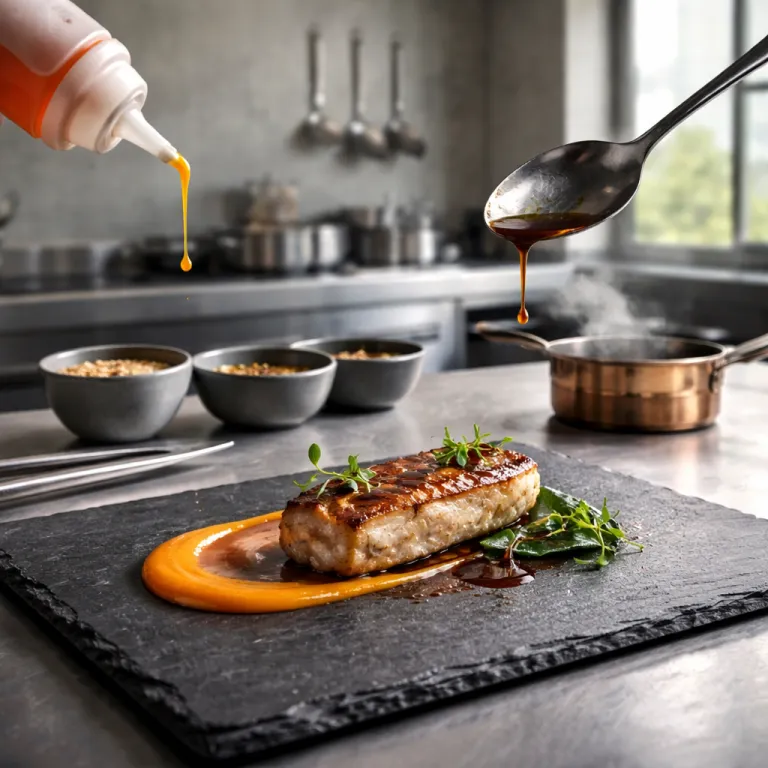
The quiet power of Bangkok hotel restaurants for Thai fine dining
Bangkok hotel restaurants for Thai fine dining are where many of the city’s most interesting culinary conversations now unfold. In these calm dining rooms, far from the noise of street queues, a new generation of chefs uses the hotel kitchen advantage to stretch what Thai cuisine can be without losing its soul. For couples planning travel through Bangkok, choosing the right hotel often means choosing the most rewarding Thai restaurants for lunch, dinner and late night drinks in one place.
Luxury hotels in Bangkok hold a structural edge that independent Thai restaurants rarely match. Their culinary teams tend to stay longer, they can reserve day after day with the same farmers, and they do not need every table to carry the full cost of the restaurant because rooms, events and daily breakfast share the load. That freedom lets a chef write a menu around fragile herbs from Phra Nakhon, line caught southern fish or royal Thai recipes that would be difficult to sustain in a purely ticket driven restaurant model.
For travelers, this means that a stay in a central hotel can double as a curated tour of modern and traditional Thai food without leaving the lobby. You can taste Bangkok street flavors reimagined at a white tablecloth restaurant, then walk upstairs to sleep, and wake to a daily breakfast that continues the same culinary story. When you reserve a table in these dining rooms, you are not only booking a meal but also buying into a network of producers, estate gardens and long standing relationships that quietly support Thai cuisine at its most ambitious.
From Sra Bua to Nahm: four hotel chefs rewriting Thai menus
Some of the most influential Bangkok hotel restaurants for Thai fine dining sit inside large international hotels, yet feel intensely personal. At Sra Bua by Kiin Kiin in Siam Kempinski Hotel Bangkok, led by chef Chayawee Suthcharitchan and holding one Michelin star in the 2024 Michelin Guide Bangkok, the kitchen uses contemporary techniques to frame deeply authentic Thai flavors, turning familiar food into theatrical courses without losing balance. Signature dishes such as a deconstructed tom yum soup or frozen red curry demonstrate how the team can play with temperature and texture while keeping the taste profile recognizably Thai. Nahm at COMO Metropolitan Bangkok, currently helmed by chef Pim Techamuanvivit and listed with a Michelin star in several recent editions of the guide, remains one of the city’s most closely watched Thai restaurants, where the menu reads like a love letter to regional recipes rather than a greatest hits list, with dishes such as blue swimmer crab curry with wild ginger and turmeric or grilled pork cheek with smoky chili relish.
Across town, Praya Kitchen at Bangkok Marriott Hotel The Surawongse leans into the idea of a living Thai market, with chefs cooking à la minute and encouraging guests to eat Bangkok classics next to lesser known provincial dishes. You might see a wok fired pad thai cooked to order beside a tray of spicy river prawn salad or a pot of slow simmered beef massaman curry. The House of Smooth Curry at The Athenee Hotel, a Luxury Collection Hotel, Bangkok focuses on royal Thai cuisine and hard to find curries, many drawn from palace archives and family notebooks that rarely leave private homes, with highlights such as gaeng kua pla salmon in coconut cream or a refined green curry with young coconut shoots. As one senior chef there notes, “Our job is to make sure these recipes do not disappear just because they take longer to cook.” These restaurants show how a hotel can support a chef who refuses to put only safe, tourist friendly dishes at the top of the menu and instead foregrounds complex curries, bitter greens and off cut meats.
For couples planning where to reserve, think of these hotel restaurants as a portfolio rather than a ranking. One night you might reserve table seats at a place like Sra Bua for a contemporary tasting menu, the next you might choose a more relaxed restaurant such as Praya Kitchen for interactive dining. Across these dining rooms, the common thread is a chef who uses the hotel’s resources to protect Thai cuisine from dilution while still speaking fluently to an international travel audience.
Regional Thai cuisine in the city: Isaan heat, southern depth, Lanna comfort
The most exciting shift in Bangkok hotel restaurants for Thai fine dining is the regional pivot happening quietly behind polished lobbies. Where hotel menus once repeated the same central Thai canon, you now see Isaan salads, southern Muslim curries and Lanna style soups treated with the same care as any French sauce. This is where names like Paste Bangkok, Aksorn Bangkok and Capella Bangkok enter the conversation, even when you are not physically sitting in those properties.
Paste Bangkok, though not inside a hotel, has influenced how many hotel kitchens think about heirloom ingredients and royal Thai recipes, pushing them to find Bangkok suppliers for rare herbs and citrus. Aksorn Bangkok, with its focus on mid twentieth century Thai cookbooks, has encouraged chefs in hotel restaurants to read more deeply and to treat old menus as living documents rather than museum pieces. Capella Bangkok, with its riverside view and tightly edited Thai restaurants, shows how a luxury hotel in Thailand can weave regional dishes into both fine dining rooms and more casual spaces without turning them into costume.
When you reserve a table in these Bangkok hotel dining rooms, ask where the recipes come from and which region they honor. On a first visit, order one familiar Thai cuisine benchmark such as tom yum or green curry, then add at least one regional dish you have never tried. By the third visit, you will likely be planning travel to the regions themselves, using what you eat Bangkok side in these restaurants as a map for future journeys across Thailand.
How to order: first visit, third visit and the hotel advantage
Navigating Bangkok hotel restaurants for Thai fine dining as a couple can feel overwhelming when every menu reads like a small novel. The trick is to use the hotel structure to your advantage, spacing experiences across lunch, dinner, pool snacks and daily breakfast rather than trying to eat everything in one sitting. On a first visit, reserve table seats at a signature restaurant and order a mix of classic Thai dishes and one or two contemporary interpretations to calibrate your palate.
By the second or third stay in Bangkok, you can start to play with the rhythm of your meals. Use daily breakfast to explore lighter Thai cuisine such as rice porridge, grilled pork skewers or herbal salads, then keep your main restaurant reservations for deeper curries and regional specialties. Many hotel properties will remember your preferences if you reserve day after day, allowing the chef to build a quiet progression of dishes that feels almost like a private tasting menu.
When reading a menu, look for signals that the culinary team is thinking beyond clichés. Mentions of Phra Nakhon producers, specific farms or long term suppliers suggest a kitchen that values relationships over trends, whether the cuisine is Thai or French influenced. Do not hesitate to ask the chef or sommelier which dishes best express the restaurant’s philosophy, because in these dining rooms the most interesting plates are often the ones that never make it to Facebook or Instagram but live in the memory of regular guests.
Behind the pass: chefs, producers and the conversation gap
The real story of Bangkok hotel restaurants for Thai fine dining often lives in the gap between what the PR team says and what the chef quietly cooks. Marketing language will highlight the view, the design and the number of Michelin starred neighbors, but the chef will talk about the farmer who brings herbs from Phra Nakhon at dawn or the fisher who calls before landing a rare catch. As a traveler, your job is to listen for that second conversation and let it guide where you reserve and what you order.
Hotel kitchens in Thailand benefit from scale, but the best chefs use that scale to protect small producers rather than to squeeze them. Long standing contracts mean a restaurant can commit to buying imperfect but flavorful vegetables, or to supporting a family run shrimp farm that refuses to overstock its ponds. When you eat Bangkok side in these dining rooms, you are participating in an ecosystem where every table helps keep those relationships alive, even if the menu never spells it out.
There is also a growing wellness thread that aligns with the Tourism Authority of Thailand’s positioning of Thai cuisine as a healing and cultural asset rather than a spectacle. Some hotel properties now offer nutrition minded menus, pairing lighter Thai dishes with spa programs and movement classes, turning food into part of a longer travel narrative. As one Tourism Authority of Thailand briefing notes, the goal is to “connect local ingredients, traditional recipes and traveler wellbeing in a single experience,” a philosophy that many hotel chefs now interpret through herbal broths, gently spiced soups and vegetable forward tasting menus.
Key statistics on Bangkok hotel Thai fine dining
- As of the 2024 Michelin Guide for Bangkok, there are multiple Michelin starred Thai restaurants in the city, including hotel based venues such as Sra Bua by Kiin Kiin, underscoring its status as a leading Asian capital for fine dining.
- Luxury hotel restaurants in Bangkok typically operate year round with lunch service from around 12:00 to 14:30 and dinner service from about 18:00 to 22:30, giving travelers flexible options around sightseeing and spa time.
- Many high end hotel restaurants in Thailand now integrate both traditional Thai cooking techniques and modern culinary innovations, using state of the art kitchen equipment alongside charcoal grills and stone mortars.
Frequently asked questions about Bangkok hotel Thai fine dining
What is the dress code for fine dining in Bangkok hotels ?
Smart casual attire is recommended for most Bangkok hotel restaurants offering Thai fine dining. Men are usually comfortable in long trousers and a collared shirt, while women often choose elegant dresses or tailored separates. Closed shoes are preferred, and beachwear is not appropriate in these dining rooms.
Do Bangkok hotel Thai restaurants offer vegetarian options ?
Yes, most luxury hotel restaurants in Bangkok provide thoughtful vegetarian and sometimes fully plant based menus. Chefs can adapt many Thai cuisine classics using tofu, mushrooms and seasonal vegetables while preserving the balance of sweet, sour, salty and spicy flavors. It is best to mention your preferences when you reserve a table so the culinary team can prepare suitable options.
Is a reservation required for Bangkok hotel fine dining restaurants ?
Advance booking is strongly advised for Bangkok hotel restaurants offering Thai fine dining, especially on weekends and during local holidays. Popular Thai restaurants inside hotels such as Sra Bua by Kiin Kiin or Nahm often fill their dining rooms days ahead, particularly for prime view tables. Reserving through the hotel concierge or official channels also allows you to note dietary needs and special occasions.
How early should I reserve a table for a special occasion ?
For anniversaries or milestone celebrations, aim to reserve day slots at least one to two weeks in advance in major Bangkok hotel properties. If you want a specific view or a chef’s counter seat, contact the restaurant even earlier and confirm your booking a few days before arrival. This gives the team time to plan personalized touches, from a custom menu to a small dessert gesture.
Can I enjoy Thai fine dining in hotels without being a guest ?
Yes, most Bangkok hotels welcome external guests in their restaurants, bars and dining rooms. You can eat Bangkok style fine dining, enjoy a French Thai fusion menu or simply stop for cocktails with a river view without holding a room key. Just remember to reserve a table, especially at peak hours, and allow extra time to explore the property’s public spaces before or after your meal.
Sources
- Tourism Authority of Thailand, culinary and wellness positioning, accessed 2024
- Travel And Tour World, hospitality and restaurant trend coverage, accessed 2024
- The Week, international travel and dining features on Bangkok, accessed 2024