The 4pm to 9pm test for premium family hotels in Thailand
Every list of premium family hotels in Thailand promises smiles for kids and cocktails for parents. The reality is that from 4pm to 9pm many families quietly realise whether a supposedly family friendly hotel actually works for real life. Those late afternoon hours decide if your stay feels like a beach resort holiday or like childcare with room service.
When you assess high end family accommodation in Thailand, look beyond the headline “family resort” label and study the evening rhythm. Ask how the kids club operates after 4pm, whether supervision continues through early dinner, and if there is structured activity for children rather than a lone screen in a corner. The most reliable family properties in Bangkok, Phuket or Khao Lak will describe specific programmes, not vague “playtime”. For instance, Soneva Kiri publishes a daily kids club timetable with supervised sessions running into early evening (as shown in its online “Den” schedule, accessed March 2024), and InterContinental Khao Yai Resort details nature walks and story time blocks that extend past 5pm in its kids club overview (InterContinental Khao Yai Resort, family facilities page, 2024).
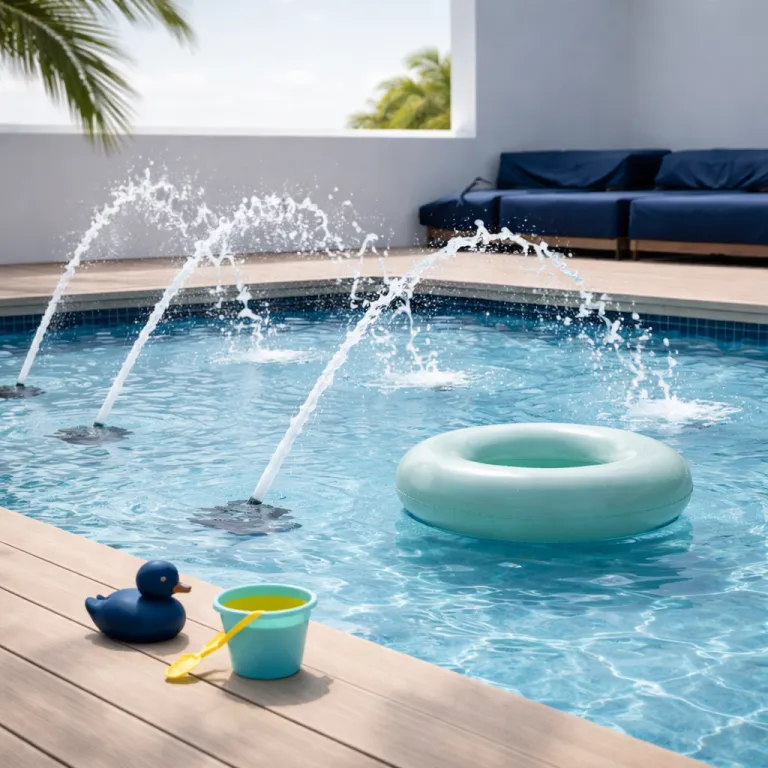
Pay attention to the geography of the resort and its pools during this window. A genuinely family friendly beach resort will place the main family pool near casual dining, so parents can move from water to early dinner with easy access and minimal negotiation. In coastal areas such as Khao Lak or Koh Samui, the strongest family resorts also keep a quieter adults pool or spa pool separate, which reduces pool politics between families and couples. Rosewood Phuket, for example, maps out a family pool close to the beachside restaurant and a separate quiet pool zone, a layout confirmed in its official resort map and fact sheet (Rosewood Phuket, resort map PDF, 2024).
Dining is the other half of the 4pm to 9pm test. In premium family hotels in Thailand, the question is not whether children are allowed in the restaurant, but whether the restaurant flow respects how families actually eat. Look for hotels where the kids menu arrives fast, where high chairs are ready without request, and where a parent can order one cocktail per person without feeling they have turned the dining room into a bar. Properties such as Melia Koh Samui and Four Seasons Resort Koh Samui explicitly highlight early family seatings and children’s menus in their dining descriptions (Melia Koh Samui, “Dining” section, 2024; press.fourseasons.com/kohsamui, 2024), which is a useful benchmark when you compare options.
Hidden gem properties often pass this test better than large resorts. At Rosewood Phuket, for example, the beachfront setting and multiple pools allow families to shift from sandcastle to shower to dinner with minimal friction. The resort’s fact sheet notes a dedicated kids club, a family pool and several dining venues within a short walk of one another (Rosewood Phuket, fact sheet, 2024), which supports this impression. When you read that “Top options include Rosewood Phuket, InterContinental Khao Yai Resort, and Melia Koh Samui.” you are seeing hotels that have thought carefully about this late afternoon choreography and documented it in their official materials.
Suites, connecting rooms or villas : when the upgrade really matters
Room configuration is where many premium family hotels in Thailand either respect your sanity or quietly erode it. A family suite sounds generous, yet if the sofa bed sits one metre from the parents bed, your evenings end at 8pm with the children. Connecting rooms can be the best family option when teenagers need privacy and parents need a door that actually closes.
In city hotels across Bangkok Thailand, connecting rooms often offer the best balance between space, budget and safety for families. A central hotel with easy access to the Skytrain lets you move between temples, malls and the pool without long transfers for tired kids. When comparing options, study whether the nightly rate includes taxes and service charges, because combined surcharges can add a noticeable percentage in urban properties. As a broad reference point, recent publicly listed rates at central Bangkok luxury hotels frequently show around 17.7% added for VAT and service (for example, a sample rate breakdown on a 2024 booking screen for a riverside five star property), though exact figures vary by property and date.
Villas come into their own in coastal resort spa settings such as Phuket Thailand, Koh Samui or Koh Yao islands. A villa with a private pool can transform the 4pm to 9pm window, letting children swim while one parent orders room service and another enjoys a quiet cocktail per person on the terrace. Yet if the villa sits far from the main pools, kids club or beach access, you may spend your stay shuttling along paths instead of relaxing. Resort layout diagrams on official hotel pages are useful here, as they show whether family villas cluster near shared facilities or sit in a more secluded zone (see, for instance, the published resort maps for several Khao Lak and Koh Samui properties, 2023–2024).
Hidden gem family resorts in Khao Lak and Hua Hin often offer smart middle ground. You might find low rise beachfront buildings where ground floor rooms open directly to gardens and family pools, giving children a sense of freedom without losing sight lines. For multi generational families, a mix of one villa and one or two connecting rooms can be more flexible than a single vast residence, especially when grandparents value a calm hotel wing. Sample floor plans and room descriptions, which many hotels now publish online in their accommodation sections, help you visualise how doors, terraces and shared spaces actually connect.
When planning an itinerary that combines the capital with the coast, use a curated guide to where to stay in Thailand when you want Bangkok’s pulse and the Gulf’s silence in one trip. That kind of resource helps you decide whether to allocate the villa budget to Koh Samui, to a quieter stretch of Khao Lak, or to a river facing suite in Bangkok where the children can watch boats glide past before bed. Matching configuration to destination is what turns a good stay into a premium family experience, and verifiable room data makes those trade offs clearer.
Pool politics and beach access : sharing the water gracefully
Water is the unofficial currency of premium family hotels in Thailand, especially for children who measure a resort by its slides rather than its spa. Yet the way a property manages its pools and its stretch of beach can either soothe or inflame tensions between families and couples. The most thoughtful hotels treat pool zoning and beach access as design tools, not afterthoughts.
Look for resorts where the main family pool sits close to casual dining, shaded seating and the kids club, so parents can move between supervision and relaxation without constant negotiation. In Khao Lak, for example, some properties cluster family friendly pools near Khuk Khak Beach, while keeping a quieter lap pool closer to the resort spa for adults. This separation allows families to be loud without guilt and couples to swim without resentment. Several well known Khao Lak resorts describe this split explicitly in their brochures, labelling one area as a “family zone” and another as an “adults only pool” (sample resort brochures, 2023–2024).
Beachfront settings in Koh Samui, Phuket Thailand or Koh Yao Noi add another layer. A true beach resort for families will offer direct beach access from at least part of the hotel, with lifeguards or clear safety signage where currents demand caution. Hidden gem properties sometimes sit a short walk back from the sand, but compensate with creative pools that mimic a lagoon and with easy access paths to the public beach. Official resort maps and photo galleries usually make it clear whether you step straight onto the sand or cross a road or garden first (as seen in image galleries for several Gulf of Thailand resorts, 2024).
Pool politics also play out around sunbeds and service. In premium family hotels in Thailand, the best family pools have staff who gently enforce unspoken rules, such as discouraging guests from reserving loungers all day while they are away. When a hotel manages this well, families, couples and solo travellers can share the same water without friction, even during peak school holiday weeks. Some luxury brands now state their sunbed policies in pre arrival information or house rules (for example, in booking confirmations for major international chains, 2023–2024), which is a small but telling sign that they take shared spaces seriously.
If your itinerary extends beyond the coast, consider pairing a beach resort with a slower inland stay, using a guide to northern river journeys you can still do slowly as inspiration. Children who have spent days in chlorinated pools often respond surprisingly well to a quiet river cruise or a shaded jungle stream. Balancing high energy water play with calmer aquatic experiences keeps both kids and adults grounded, and many tour operators publish sample family friendly river itineraries that show how this contrast works in practice.
Evening dining for adults in family friendly resorts
The hardest promise for premium family hotels in Thailand to keep is this : parents will eat well. A kids menu and a high chair do not automatically create a civilised evening for adults who care about food and wine. The real question is whether a hotel has designed dining so that families and gastronomy can coexist between 6pm and 9pm.
Start by asking how early the main restaurant opens and whether there is a dedicated family friendly seating period. In coastal family resorts from Hua Hin to Khao Lak, the best properties open at least one venue by 5.30pm, with a menu that includes Thai dishes adapted for children alongside more familiar Western plates. When a hotel offers a small play corner or access to the kids club staff for supervised post dinner activities, parents can linger over a final cocktail per person without guilt. Some resorts, including several in Phuket Thailand, publish sample kids club and dining schedules that show this overlap clearly (for instance, daily programme PDFs available on selected resort websites, 2024).
In Bangkok Thailand, where premium hotels often court business travellers as much as families, the adult dining problem can be more acute. Some city properties solve it with two tier dining : an early family service in the all day restaurant and a later, quieter service in a signature venue. Others pretend to have solved it, yet in practice seat overtired kids next to corporate dinners under harsh lighting, which serves neither group well. Checking recent guest reviews on major booking platforms and official restaurant descriptions side by side can help you distinguish between these two approaches.
Beachfront hotels in Koh Samui, Phuket Thailand or Koh Yao sometimes sidestep the issue with private in villa barbecues or sand side dinners. These can be magical for families, especially when children can run on the sand between courses while parents enjoy grilled seafood and a glass of wine. Always check whether the quoted price includes taxes and service, because taxes fees on special dinners can be higher than on standard restaurant meals. Many hotels now show a breakdown of base price, VAT and service charge on booking screens for these experiences (sample booking pages for festive beach dinners, 2023–2024), which makes comparisons more reliable.
For a deeper look at how specific properties balance pools, spa time and space for everyone, consult a specialist guide to Thailand family luxury hotels where to book when the kids need a pool, the parents need a spa and everyone needs space. Such curated insight goes beyond marketing language and names the hotels that have genuinely solved the adult dining problem. That level of detail is what separates a pleasant stay from a reliably premium family experience, especially when it is backed by sample menus, opening hours and kids club timetables.
Cultural programming for children : beyond the colouring book
Premium family hotels in Thailand increasingly talk about cultural immersion for kids, yet the quality varies wildly. A serious programme can shape how children understand Thailand long after the holiday ends. A token activity risks feeling like a staged photo opportunity beside the pool.
Look for hotels where cultural activities sit at the heart of the kids club schedule, not as occasional extras. In well run family resorts, children might learn basic Muay Thai moves with a real trainer, try fruit carving with a kitchen team member or join a gentle Thai cooking class that respects spice levels. Properties such as Soneva Kiri or InterContinental Khao Yai Resort have built reputations on this kind of thoughtful programming, weaving nature, local stories and hands on learning into each day. Their official kids club descriptions mention activities like eco workshops, railway themed adventures and junior chef sessions (Soneva Kiri “Den” overview, 2024; InterContinental Khao Yai Resort family activities page, 2024), which you can use as a benchmark.
Hidden gem hotels in regions like Khao Lak or on quieter islands near Koh Yao often partner with local communities for small scale experiences. A morning visit to a fisherman’s village, a walk through a rubber plantation or a temple visit with a staff member who can explain basic etiquette can be more powerful than any staged show. When these activities are timed between 4pm and 6pm, they also help children transition from pool energy to a calmer evening rhythm. Several boutique resorts now outline these excursions in sample itineraries, indicating recommended times and age suitability (sample family itineraries published by coastal boutique hotels, 2023–2024).
Financial transparency matters here as well. When you book cultural activities, check whether the quoted rate includes taxes and any additional fees, especially when third party guides are involved. A clear fees view on the booking page, with a line that states that the total includes taxes and service, signals a hotel that respects families as long term guests rather than one time transactions. Because local tax rules and partner costs change, treat any example prices as indicative only and confirm the latest figures directly with the hotel or activity provider.
Across Thailand, the most rewarding premium family stays are those where the same care is given to a child’s first Muay Thai class as to the resort spa menu. When hotels treat children as curious travellers rather than as logistical problems, families feel it in every interaction. That is the quiet difference that turns a good hotel into a place your children will ask to return to, a pattern echoed in many repeat guest reviews and family travel surveys (for example, Tourism Authority of Thailand family travel insights, 2023).
FAQ about premium family hotels in Thailand
What are the best luxury family hotels in Thailand for first time visitors ?
For a first trip, many families combine a city stay with a beach resort. In Bangkok, choose a hotel with a reliable pool and easy access to the Skytrain, then pair it with a coastal property such as Rosewood Phuket, Melia Koh Samui or a well reviewed resort in Khao Lak. These combinations balance culture, relaxation and family friendly logistics, and they mirror sample itineraries suggested by the Tourism Authority of Thailand for family travellers (Tourism Authority of Thailand, “Family Fun” sample routes, 2023).
When is the best time to visit Thailand for a family vacation ?
The most comfortable weather for families usually runs from November to February, when temperatures and humidity are lower in many regions. During these months, pools and beaches are more pleasant for children, and evening activities are easier to enjoy. From May to October, some hotels offer attractive discounts, which can make premium family properties more accessible. Official tourism statistics show this shoulder season pattern clearly, with higher occupancy and rates in the cooler months (Tourism Authority of Thailand, accommodation statistics 2019–2023).
How far in advance should I book premium family hotels in Thailand ?
For peak travel periods and school holidays, it is wise to book several months ahead, especially if you need specific room types such as connecting rooms or pool access suites. Hidden gem family resorts in Khao Lak, Hua Hin or on smaller islands can sell out quickly for these configurations. Off peak, you may find more flexibility, but the best family layouts are still limited, a point often noted in booking conditions and availability calendars on hotel sites.
Are there enough activities for children at luxury hotels in Thailand ?
Most premium family hotels in Thailand now offer structured kids clubs, family pools and a mix of cultural and nature based activities. The strongest properties go beyond basic crafts to include Thai cooking classes, Muay Thai introductions and local excursions tailored to children. Always request a sample daily schedule in advance to see how the hotel fills the crucial 4pm to 9pm window, and compare it with the kids club descriptions published on the hotel’s official pages or fact sheets.
What is the typical nightly rate for luxury family friendly hotels in Thailand ?
Average nightly rates for luxury family friendly hotels in Thailand often sit around 300 US dollars for entry level rooms, with suites and villas costing more. When comparing prices, always check whether the rate includes taxes and service charges, as these can add a noticeable amount to the final bill. Transparent hotels present a clear fees view so families can budget accurately, and many now show both pre tax and total prices side by side on booking engines; treat these figures as indicative, as actual rates fluctuate by season and demand (sample rate displays from major international hotel brands, 2023–2024).
Sources
Travel And Tour World ; press.fourseasons.com ; Tourism Authority of Thailand ; official hotel fact sheets and booking pages for Rosewood Phuket, Soneva Kiri, InterContinental Khao Yai Resort, Melia Koh Samui and selected Bangkok luxury properties (accessed 2023–2024)