Why thailand wellness gastronomy retreat stays are redefining luxury
Thailand is quietly reshaping what a wellness retreat can be. The most interesting thailand wellness gastronomy retreat concepts now treat the kitchen as seriously as the treatment room, folding nutrition, yoga and traditional Thai healing into one coherent script. For solo travellers, this shift turns a simple resort stay into a guided wellness journey that feels both intimate and deeply rooted in place.
At the top properties in Thailand, wellness is no longer a side activity. A serious wellness resort will map your body and mind needs at check in, then align spa therapies, yoga sessions and food so that every day supports one clear intention. This is where Thailand’s new wave of wellness gastronomy programmes excels, because chefs, nutritionists and therapists finally sit at the same table rather than working in parallel.
Across the country, from Phuket Thailand to Chiang Mai and Hua Hin, luxury hotels are building programmes that run year round rather than only in peak season. You will see three day yoga immersions, five day wellness retreat stays and longer seven day journeys that combine yoga meditation, morning yoga and cooking workshops. A typical day might start with sunrise pranayama, move into a Thai herbal compress massage and end with a nutritionist led dinner where each plate of Thai cuisine is explained as part of the treatment, not a guilty pleasure after the spa.
The Thai herbal kitchen: where cuisine, body and spa intersect
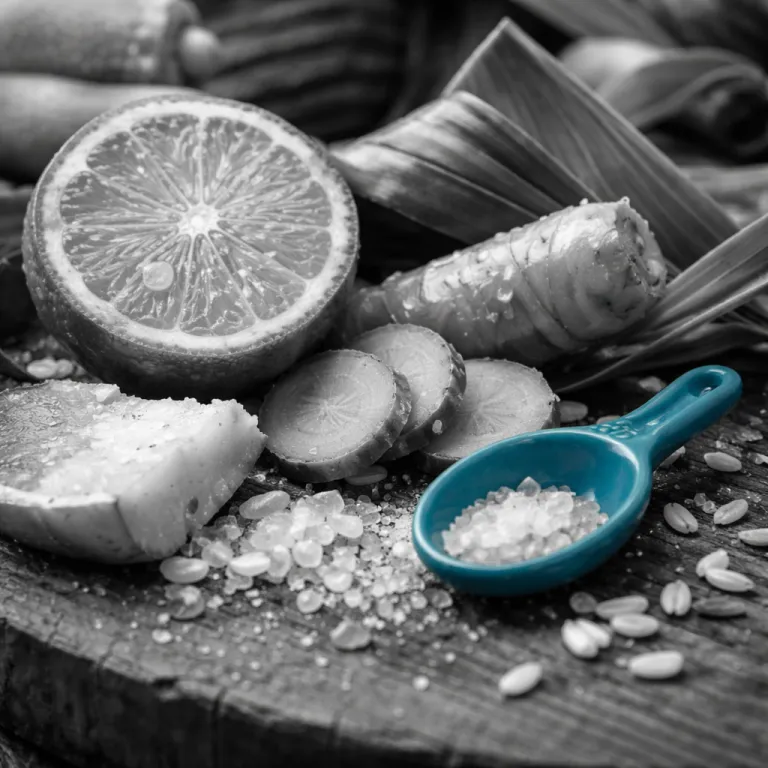
The roots of every serious thailand wellness gastronomy retreat lie in the Thai herbal pharmacopoeia. Long before the phrase wellness journey appeared on any brochure, Thai families were simmering galangal, lemongrass and kaffir lime leaves for both food and medicine. Today, the most thoughtful wellness resort teams are returning to those traditions, using the same herbs in compresses for the body and in broths that quietly support digestion.
On the plate, this looks like plant based menus that still feel unmistakably Thai, not imported spa clichés. Expect raw food elements such as young coconut salads beside slow cooked bone broths, with traditional Thai techniques guiding the balance between cooling and warming dishes. Signature examples include tom yum reimagined with organic vegetables, brown rice khao yam with fresh herbs and probiotic rich nam phrik, or grilled river fish marinated in turmeric and wrapped in banana leaf.
In the glass, som based drinks, herbal infusions and low sugar juices replace the usual free welcome cocktail, yet still feel indulgent after a long day of travel. In the spa, therapists talk about body mind balance with the same fluency as chefs discuss umami and texture. A well designed culinary wellness retreat will often send you from a morning yoga class straight to a hands on cooking session, where you learn how to translate yoga wellness principles into everyday food. For deeper context on how luxury spa hotels in Thailand are elevating this intersection of cuisine and care, see our guide to wellness elegance and the art of relaxation.
Intake, nutritionists and the new check in conversation
The first serious signal that a thailand wellness gastronomy retreat means business arrives before your key card. Instead of a quick signature and a cold towel, you sit down for a detailed intake that covers sleep, stress, digestion and how you actually eat at home. This is where the resort team decides whether your stay leans toward detox, gentle reset or performance focused yoga wellness.
At RAKxa Integrative Wellness near Bangkok, for example, the intake can include lab work, body composition analysis and a long conversation with an integrative doctor. The details from that session then guide everything from your morning yoga schedule to whether your food skews more raw food or warm, grounding curries. A similar approach appears at Kamalaya on Koh Samui, where the wellness retreat programmes weave mind body consultations with nutrition advice and traditional Thai therapies.
The question of nutritionists matters more than any glossy brochure. Some properties employ resident experts, others rely on visiting specialists and a few simply add a nutrition sticker to the spa menu without real depth; you want the first or second model for a meaningful wellness journey. As one Bangkok based dietitian notes in regional wellness reports, “Guests remember how the food made them feel long after they forget the massage menu.” To understand how this fits into Thailand’s broader healing narrative, read our analysis of how Thailand is renaming luxury through its healing campaign, which explains why gastronomy now sits at the centre of wellness strategy.
Three programmes worth the airfare for solo wellness travellers
Across Thailand, a handful of properties now offer thailand wellness gastronomy retreat programmes that justify crossing continents. At Chiva Som in Hua Hin, the wellness resort concept is fully integrated; “A program combining health practices with culinary education.” is not a marketing line but a daily reality as chefs, physiotherapists and yoga teachers coordinate your schedule. Here, yoga sessions, structured day yoga classes and carefully calibrated Thai cuisine create a rhythm that suits solo guests who want structure without social pressure.
On Koh Samui, Kamalaya’s wellness retreat design leans into mind body integration with quiet confidence. You might start the day with yoga meditation on a hillside pavilion, move into a cooking class focused on plant based Thai food, then end with a herbal steam that uses the same leaves you chopped earlier. The food is not strictly raw food, but the kitchen treats every curry, broth and salad as part of a longer wellness journey rather than a stand alone meal.
For travellers who prefer an island yet want an urban edge, retreat Phuket options such as specialist detox centres in Phuket Thailand focus more on fasting and cleansing protocols. Here, a typical day might include morning yoga, colon hydrotherapy, workshops on traditional Thai herbalism and practical sessions on how to maintain a cleaner cuisine routine back home. Programmes usually run three to seven days and operate year round, with prices varying by season and inclusions according to data from industry booking platforms, which reflects the level of expertise on offer.
How to choose the right wellness resort and manage group dynamics
Choosing the right thailand wellness gastronomy retreat as a solo traveller means reading between the lines. Look for clear information on yoga sessions frequency, whether morning yoga is daily or only on certain days, and how many cooking classes are actually included rather than optional extras. Pay attention to whether the resort describes food as cuisine, nutrition or simply as restaurant service, because that language reveals how central gastronomy is to the wellness retreat concept.
Group dynamics can make or break a stay, especially when you travel alone. Properties that attract intense detox crowds may feel more like a clinic, while others with a softer focus on yoga wellness, yoga meditation and Thai cooking can foster easier conversation around shared tables. Check whether meals are communal or private, if there are free afternoons built into the schedule and how many guests typically join each day yoga class, because these details shape how comfortable you will feel.
From a booking perspective, use specialist platforms such as mythailandstay.com that understand the nuances between a generic resort and a true wellness resort. Our guide to exceptional venues in Thailand shows how to read property layouts, spa locations and restaurant positioning, which also helps when assessing wellness focused hotels. Remember that the best thailand wellness gastronomy retreat stays in Phuket, Chiang Mai or Hua Hin will always treat your body and mind as one system, aligning spa, yoga and food into a coherent, year round practice rather than a one off October escape.
Practical planning for a thailand wellness gastronomy retreat
Planning a thailand wellness gastronomy retreat starts long before you arrive at the resort. Begin by clarifying your primary goal; do you want a gentle reset with plenty of free time, or a tightly structured wellness journey with every day mapped from morning yoga to evening herbal tea. Once you know your intention, you can match it to specific retreats in Phuket, Koh Samui, Chiang Mai or Hua Hin that specialise in either deep detox or softer yoga wellness and cooking education.
Most serious retreats in Thailand run three, five or seven days, with an average duration of five days according to industry data from global wellness travel reports. That length allows enough time for your body and mind to adjust to new food patterns, whether you choose a plant based menu, a programme that includes some raw food or a more flexible approach to Thai cuisine. Remember to check visa requirements, pack breathable clothing suitable for yoga sessions and spa days, and stay hydrated in the tropical heat.
For solo travellers, the calendar month matters less than your personal energy cycle. While many guests like the idea of an October reset, the reality is that these programmes operate year round and your body does not care which year appears on the brochure. What matters is that the wellness resort you choose in Phuket Thailand, Koh Samui or Chiang Mai can hold you through the full arc of the retreat, from the first intake conversation to the final bowl of restorative Thai food before you fly home.
FAQ
What exactly is a thailand wellness gastronomy retreat ?
A thailand wellness gastronomy retreat is a structured stay in a Thai resort where spa therapies, yoga sessions and culinary education are designed as one integrated programme. You might move from morning yoga to a cooking class that teaches plant based or traditional Thai dishes, then into treatments that use the same herbs you handled in the kitchen. The goal is to align food, body and mind so that every day of the retreat supports long term wellbeing.
Are these retreats suitable for beginners in yoga and meditation ?
Most wellness retreat programmes in Thailand are built to welcome beginners as well as experienced practitioners. Schedules usually offer tiered yoga sessions, with gentle day yoga options for newcomers and more advanced classes for regular practitioners. Meditation and yoga wellness elements are introduced gradually, so you can participate comfortably without prior experience.
How long should I stay at a wellness resort in Thailand ?
Industry data shows that the average wellness retreat duration in Thailand is around five days, which gives your body enough time to respond to new food and movement patterns. Shorter three day stays can work as a taster, while seven day programmes allow deeper work on sleep, digestion and mind body balance. If you are travelling a long distance, aim for at least five days in the programme plus extra nights for rest before and after.
What should I pack for a thailand wellness gastronomy retreat ?
Pack lightweight, breathable clothing suitable for yoga sessions, meditation and spa treatments, plus a swimsuit and sandals for pool or beach time. Bring any personal toiletries you prefer, although most luxury resorts in Thailand provide high quality amenities and yoga equipment. A notebook can be useful for recording recipes, wellness journey insights and practical tips from nutrition or cooking workshops.
Is the food at these retreats only plant based or raw food ?
Food philosophy varies by property, but most thailand wellness gastronomy retreat programmes in Thailand offer a mix of plant based dishes, cooked Thai cuisine and some raw food elements. You can usually indicate dietary preferences during the intake process, allowing chefs to tailor menus to your needs. The unifying idea is that every plate, whether vegan or omnivorous, supports your overall wellness goals rather than working against them.