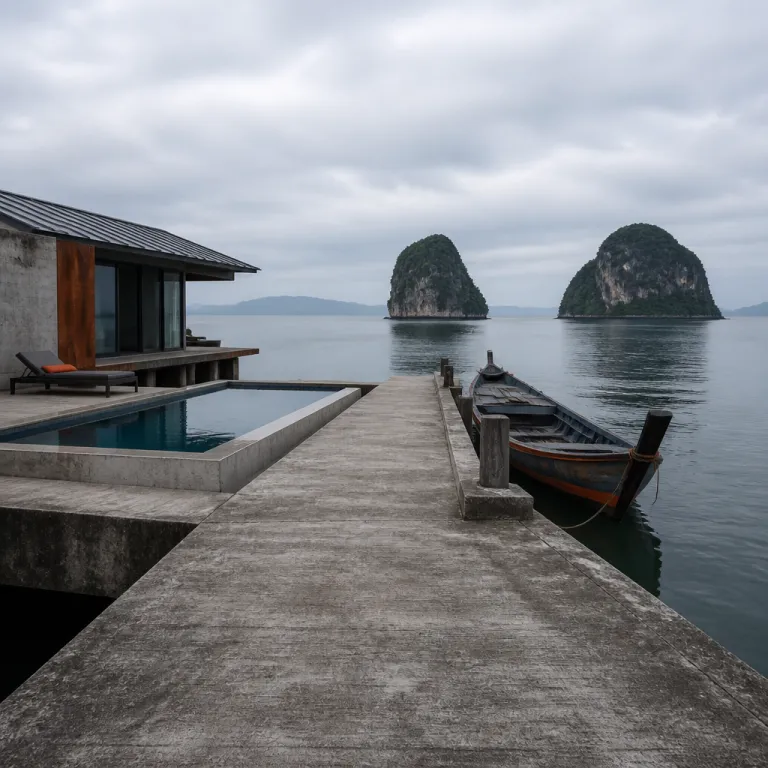
Why Koh Yao Yai and Koh Yao Noi belong on every luxury island short list
Koh Yao Yai and Koh Yao Noi sit quietly in Phang Nga Bay, between Phuket and Krabi in southern Thailand. These two Yao islands form a calm pocket of the Andaman Sea where time slows, senses sharpen, and the rhythm of each day follows the tide rather than the traffic. For travellers planning a premium stay on a Thai island, Koh Yao Yai and Koh Yao Noi offer a rare balance of comfort, authenticity, and space.
According to Thailand’s Department of Provincial Administration (DOPA, 2023 summary tables), Koh Yao district covers around 137 square kilometres in total, with Koh Yao Yai accounting for the larger share and Koh Yao Noi the smaller. That means there is room to breathe and beaches that rarely feel crowded. Koh Yao Yai remains less developed, with long sandy stretches and coconut groves, while Koh Yao Noi has a slightly livelier pier area, more refined dining, and some of the best small luxury resorts in Phang Nga, including boutique hideaways such as Six Senses Yao Noi and Cape Kudu Hotel. Together, these two islands create a twin destination where you can stay on Koh Yao Yai for seclusion, then visit Koh Yao Noi for dining, spa time, and curated boat trips.
Access is straightforward yet still feels like a journey, which helps keep mass tourism away. Travellers usually arrive by speedboat from Phuket or from Krabi, gliding past limestone cliffs that define Phang Nga Bay and signal that this Thai island escape is different from busier Phuket or Koh Lanta. Because the only way in is by boat, every arrival at a Yao pier feels cinematic, with long-tail boats bobbing beside the jetty and the low tide revealing sandbanks that change shape through the day.
Luxury here is not about glittering malls or nightlife; it is about silence, space, and attentive Thai service. On Koh Yao Noi, many premium resorts face east across Phang Nga, so sunrise becomes a daily ritual and the senses wake gently with the first light over the islands. On Koh Yao Yai, high-end villas often sit on hillsides, giving sweeping views of island silhouettes and beaches that curve for kilometres.
For travellers using a luxury hotel booking website focused on Thailand, Koh Yao Yai and Koh Yao Noi should appear as a distinct category of island retreats. These are places where you can plan a multi-day stay on Koh Yao Yai in a pool villa, then add two or three nights on Koh Yao Noi to enjoy refined dining and spa experiences. When you compare Thai beaches, the Yao islands stand out as some of the best for guests who value privacy, nature, and a slower pace of travel.
Choosing between Koh Yao Yai and Koh Yao Noi for a premium stay
When you compare Koh Yao Yai and Koh Yao Noi for a luxury trip, think of them as complementary rather than competing islands. Koh Yao Yai is larger, quieter, and still feels rural, with rubber plantations, small villages, and long beach sections where you might see more fishing boats than sun loungers. Koh Yao Noi is smaller but more established for premium travel, with refined restaurants, stylish pool suites, and a compact pier village that gives a gentle sense of local life.
On Yai Island, resorts often occupy generous plots, so villas sit well spaced among palms and casuarina trees. Many properties line tranquil beaches where low tide reveals sandbars and shallow lagoons, ideal for relaxed walks at any time of day. Because the population is lower than on Koh Yao Noi, the island’s roads remain quiet, making scooter rides between beaches one of the best simple pleasures in this part of Thailand.
Koh Yao Noi, by contrast, offers more variety in dining and wellness, which suits guests who like to alternate beach time with spa rituals and Thai cooking classes. Around the main pier, you will find cafés, local markets, and small shops, while the east coast hosts several of the best luxury resorts facing Phang Nga Bay. Many travellers choose to stay on Koh Yao Noi for three or four nights, then add a night or two on Koh Yao Yai to experience the deeper sense of seclusion.
Specific places help define the character of these islands. On Koh Yao Noi, Sabai Corner is a well-known viewpoint and restaurant area where you can enjoy Thai food while watching the light shift over Phang Nga Bay and the surrounding islands. One local boat captain describes the view at dusk as “like the cliffs are floating on the sky”, a simple phrase that captures why so many guests return. Some high-end properties on Koh Yao Noi also brand their wellness concepts around the idea of “senses Yao”, focusing on sound, scent, and touch to connect guests with the natural environment.
For travellers who enjoy marine protected areas and want to compare different Thai island experiences, it is useful to look at how other destinations manage luxury in fragile environments. A good reference is the way marine national park stays are handled in the Phi Phi archipelago, where projects such as the new luxury suites inside the park show what reef-first luxury looks like. When you book Koh Yao Yai or Koh Yao Noi on a premium platform, seek properties that follow similar low-impact principles, using boat transfers carefully and limiting light pollution along the beaches.
Arriving from Phuket or Krabi and moving between the Yao islands
Reaching Koh Yao Yai and Koh Yao Noi is part of the pleasure of the trip, because the journey by boat sets the tone for a slower stay. From Phuket, travellers usually depart from Bang Rong pier on the island’s east coast, while from Krabi the main departures are from Tha Len or Ao Nang piers. The ride across Phang Nga Bay typically takes around 30 to 45 minutes by speedboat, a timing reflected in local ferry schedules and tourism office guidance, passing limestone karsts that signal you are entering a quieter corner of Thailand.
Many luxury hotel booking websites now allow you to add shared or private boat transfers when you reserve your villa on Koh Yao Yai or Koh Yao Noi. Private boats cost more but give you flexibility on time of day, which matters if you want to arrive at your Yai Island resort in time for sunset cocktails. Shared boats follow fixed schedules, so check carefully when planning your travel, especially if you are connecting from a flight into Phuket or Krabi airports.
Once you arrive at the pier on either island, resort staff usually meet you with a private vehicle or long-tail boat, depending on the location of your stay. On Koh Yao Noi, some properties sit close to the main pier, while others require a short boat ride along the coast, which can be one of the best first impressions of Phang Nga Bay. On Koh Yao Yai, transfers often involve a drive across the island, giving you a first glimpse of rubber plantations, small Thai villages, and quiet beaches.
Moving between Koh Yao Yai and Koh Yao Noi is easy, which makes a twin-island itinerary very practical. Local long-tail boats shuttle between the two Yao islands throughout the day, and the crossing usually takes less than 15 minutes, so you can stay on Koh Yao Yai and still visit Koh Yao Noi for dinner or a spa session. Because the sea can be shallow at low tide, some piers use floating pontoons or longer walkways, so allow a little extra time when planning connections.
Seasonality matters for luxury travellers who value calm seas and clear views, but the so-called green season can be rewarding. For guests considering a stay during Thailand’s wetter months, it is worth reading expert perspectives on why green season travel for the luxury minded can be surprisingly appealing. On Koh Yao Yai and Koh Yao Noi, showers often pass quickly, leaving the islands fresh, the beaches quiet, and the senses heightened by the scent of rain on warm sand.
Design, atmosphere, and service on Koh Yao Yai and Koh Yao Noi
Luxury properties on Koh Yao Yai and Koh Yao Noi tend to favour low-rise architecture, natural materials, and open-air spaces that frame the views of Phang Nga. You will see timber decks, thatched roofs, and wide verandas rather than glass towers, which helps each island keep its relaxed character. Many resorts position their pools and restaurants to face the beaches and islands of Phang Nga Bay, so every meal and swim becomes part of the landscape.
On Koh Yao Noi, some of the best high-end resorts offer villas with private pools, outdoor showers, and generous living areas designed to engage all the senses. Soft lighting, natural fabrics, and carefully chosen Thai art pieces create a calm mood, while large windows frame the silhouettes of nearby islands at sunrise. Service tends to be attentive but discreet, with staff often coming from local Yao communities, which adds authenticity to the hospitality.
Koh Yao Yai’s premium properties often emphasise space and privacy, with villas spread across hillsides or along long beach stretches. Many guests choose to stay on Koh Yao Yai when they want to feel removed from busier Thai beaches, yet still enjoy high-quality dining and spa treatments. Because the island is larger, some resorts offer on-site activities such as cycling, yoga platforms overlooking the sea, and guided walks through coconut groves.
Wellness is a strong theme across both Yao islands, and some properties explicitly reference “senses Yao” in their spa menus and retreat programmes. Treatments often use Thai ingredients such as lemongrass, coconut, and jasmine, and many spas open directly onto the beach so you can hear the tide while you relax. For guests who value holistic travel, Koh Yao Yai and Koh Yao Noi provide a setting where each day can include both gentle activity and deep rest.
Architecture lovers planning a wider Thailand itinerary may enjoy reading about how hotel design reflects different decades in Bangkok, which helps you understand the evolution of Thai hospitality. A useful reference is this guide to reading a Bangkok hotel’s heritage through architecture, which highlights how materials and layouts signal different eras. When you compare that urban context with the understated villas on Koh Yao Yai and Koh Yao Noi, the contrast underlines how these islands prioritise nature, space, and quiet luxury.
Beaches, boat trips, and slow travel experiences
For many guests, the beaches and boat trips around Koh Yao Yai and Koh Yao Noi are the main reason to stay. The islands sit in the heart of Phang Nga Bay, so you are surrounded by limestone cliffs, hidden coves, and sandbars that appear and vanish with the tide. Because this part of Thailand remains less developed than Phuket or Koh Lanta, the beaches feel more intimate and the sea traffic lighter.
On Koh Yao Noi, the east coast offers some of the best views in Phang Nga Bay, with long beach sections facing the dramatic karsts. At low tide, the sea retreats far from the shore, revealing rippled sand and tidal pools that invite slow walks and photography. During high tide, the same beaches become perfect for kayaking and stand-up paddleboarding, with calm water and little swell.
Koh Yao Yai has several quiet beaches where you can walk for more than a kilometre without encountering crowds. Some resorts sit directly on these long beach stretches, so you can step from your villa terrace onto the sand at any time of day. Because the island is larger, it is easy to find a beach that matches your mood, from family-friendly shallows to more secluded coves.
Boat trips are a highlight of any stay in the Yao islands, and most luxury resorts can arrange private excursions tailored to your interests. You might spend a day exploring nearby islets, stopping to swim in sheltered lagoons, snorkel over coral, or picnic on a sandbank that only appears at low tide. Routes often include iconic spots in Phang Nga, but your captain can usually steer away from the busiest beaches to keep the experience tranquil.
Some travellers like to combine a stay on Koh Yao Yai or Koh Yao Noi with time in other Thai island destinations such as Phuket or Koh Lanta, using the Yao islands as the quiet centrepiece of a longer trip. Because transfers by boat link these islands efficiently, you can design an itinerary that moves from livelier beaches to calmer shores in a single day. This flexibility makes the Yao islands especially attractive for guests who value both variety and rest in their travel plans.
Cultural etiquette, sustainability, and booking smart on luxury platforms
Both Koh Yao Yai and Koh Yao Noi have predominantly Muslim communities, which shapes the rhythm of daily life and the atmosphere on each island. You will hear the call to prayer, see modest dress in villages, and notice that nightlife is limited compared with Phuket or Krabi. Respecting local customs by dressing modestly away from the beach and keeping noise low at night helps maintain the trust that allows luxury travel to coexist with traditional Yao culture.
Eco-tourism and sustainable practices are increasingly central to how Koh Yao Yai and Koh Yao Noi welcome guests. Many resorts limit building heights, use natural ventilation, and treat wastewater carefully to protect the beaches and marine life of Phang Nga Bay. When you book through a premium hotel website, look for clear information about energy use, waste management, and how the property supports local Thai communities on the islands.
Transport choices also affect the environmental footprint of your trip. Using shared speedboats where possible, choosing resorts that minimise additional boat transfers, and exploring the islands by bicycle or scooter rather than by car all reduce impact. On both Yao islands, renting a scooter for a day is one of the best ways to reach quiet beaches, local markets, and viewpoints such as Sabai Corner on Koh Yao Noi.
When comparing options on a luxury booking platform, pay attention to room size, orientation, and access to the beach rather than just brand names. Some villas on Koh Yao Yai sit higher on the hillside with panoramic views of Phang Nga, while others are steps from the sand but may experience more foot traffic during the day. On Koh Yao Noi, properties closer to the pier offer easier access to local restaurants, while more remote resorts trade convenience for deeper seclusion.
For travellers planning a longer Thailand itinerary, Koh Yao Yai and Koh Yao Noi work well as a central chapter between urban stays and other Thai island experiences. You might begin in Bangkok, move to Phuket for a short stay, then retreat to the Yao islands before continuing to Koh Lanta or Krabi. By using a sophisticated booking website that understands the nuances of each island, you can align room types, transfer times, and experiences so that every day of the trip feels coherent and calm.
Key statistics for Koh Yao Yai and Koh Yao Noi luxury stays
- Official figures from Thailand’s Department of Provincial Administration (DOPA district statistics, 2023) indicate that Koh Yao district covers about 137 square kilometres in total, with Koh Yao Yai accounting for the majority of land area and Koh Yao Noi the remainder, so guests on Yai Island experience a greater sense of space and longer beach stretches.
- Population data from the same source show that Koh Yao district has roughly 18,000 residents in total, with Koh Yao Noi home to a larger share of the community and Koh Yao Yai more sparsely populated, which explains why Noi Island feels slightly livelier around the pier and village areas.
- Boat transfers between Phuket or Krabi and the Yao islands typically take 30 to 45 minutes by speedboat, a range echoed in published ferry timetables and local operator information, making Koh Yao Yai and Koh Yao Noi easy to integrate into a wider Thailand itinerary without long travel days.
- Local guidance for visitors emphasises three simple practices: respect local Muslim customs, use long-tail boats for inter-island travel, and rent scooters for island exploration, which together help maintain both cultural sensitivity and low-impact mobility.
FAQ about Koh Yao Yai and Koh Yao Noi luxury travel
How do I get to Koh Yao Yai and Koh Yao Noi from Phuket or Krabi?
The most common way to reach Koh Yao Yai and Koh Yao Noi is by speedboat from Phuket or Krabi. Boats depart from Bang Rong pier on Phuket and from Tha Len or Ao Nang piers in Krabi, with travel times usually between 30 and 45 minutes. Many luxury resorts can arrange shared or private transfers that connect with your flight arrival time.
Are there high-end accommodations on Koh Yao Yai and Koh Yao Noi?
Both islands offer premium stays, but the character differs slightly between them. Koh Yao Noi has more established luxury resorts with pool villas, refined dining, and spa facilities, while Koh Yao Yai features a mix of upscale eco-style properties and family-run retreats with generous space. When using a hotel booking website, filter by villa size, beach access, and transfer options to find the best match for your trip.
What activities are available on Koh Yao Noi for active travellers?
Koh Yao Noi suits guests who enjoy gentle adventure alongside relaxation. Popular activities include rock climbing on nearby limestone cliffs, kayaking through mangroves, bicycling around the island, and joining boat tours to surrounding islands in Phang Nga Bay. Many luxury resorts can tailor private excursions so you can balance activity with spa time and beach rest.
Is Koh Yao Yai suitable for a quiet, romantic stay?
Koh Yao Yai is ideal for couples seeking privacy and calm. The island’s lower population, long beach stretches, and spacious villas create a sense of seclusion that is hard to find on busier Thai beaches. Many properties offer private dining, in-villa spa treatments, and sunset boat trips that make the most of the tranquil setting.
How should I dress and behave to respect local culture on the Yao islands?
Because both Koh Yao Yai and Koh Yao Noi have predominantly Muslim communities, modest dress is appreciated away from the beach. Swimwear is fine on the sand and at resort pools, but in villages and around the pier it is respectful to cover shoulders and knees. Keeping noise low at night and avoiding public displays of affection also helps maintain good relations between visitors and local residents.