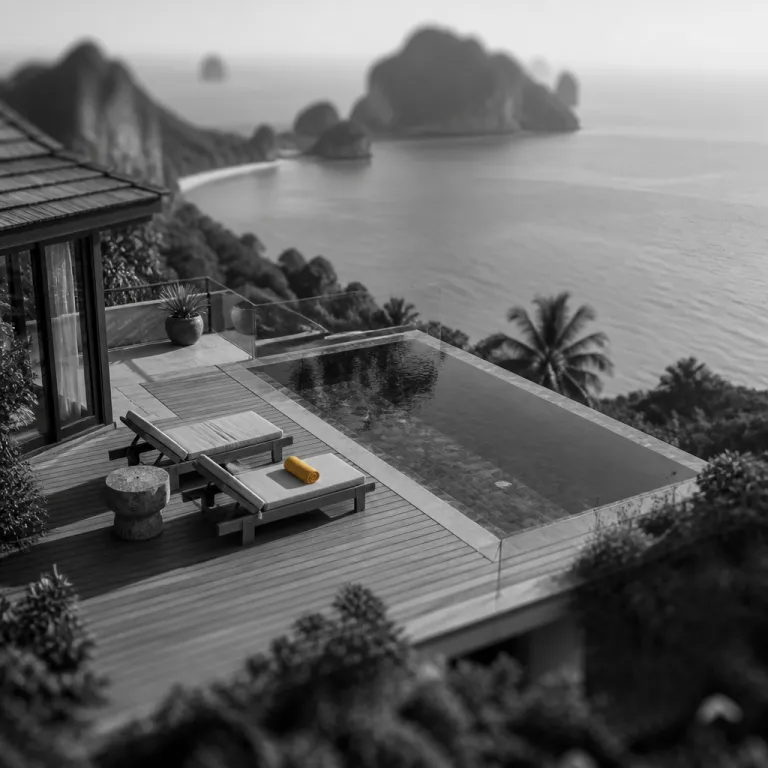
How to choose the best Thailand islands for a luxury stay
The best Thailand islands for a refined escape each offer a distinct personality, and the most rewarding trips are deliberately selective. With more than 1,400 islands in Thailand, narrowing your shortlist to three or four destinations means matching your travel style to each island’s character instead of chasing every famous name. When you plan a luxury trip, consider the season, ease of access, and how each Thai island aligns with your expectations for privacy, service, and signature experiences.
Phuket is the largest island in Thailand and remains a strategic gateway for premium travelers. This island in the Andaman Sea combines international air connections, upscale marinas, and a wide choice of beaches, which makes it ideal if you want both convenience and high-end resorts. Many guests use Phuket as a starting point for island hopping to nearby islands such as Koh Yao, Koh Phi Phi, and the famous Phi Phi group, balancing lively beaches with quieter coves. A typical transfer from Phuket to Koh Phi Phi by speedboat takes around 45 minutes to one hour, while boats to Koh Yao usually take 30–45 minutes from the marinas on the east coast.
Koh Samui in the Gulf of Thailand is another anchor for luxury seekers who value smooth logistics. The island has its own airport, a polished hospitality scene, and some of the best beaches for couples and wellness-focused guests, while nearby day trips allow you to explore smaller islands without changing hotels. When you compare these two major hubs, Phuket is better for varied nightlife and shopping, while Koh Samui excels at intimate villas, spa retreats, and calm beaches that still feel beautifully tropical. Flight time from Bangkok to either Phuket or Koh Samui is usually about one hour and fifteen minutes, which keeps travel days manageable.
For travelers who want the best islands with a softer, family-friendly rhythm, Koh Lanta and Koh Chang are compelling options. Koh Lanta in Krabi province offers long, beautiful beaches, relaxed dining, and spacious villas that work well for multi-generational trips, while Koh Chang in the eastern gulf delivers jungle-clad hills and quieter sands. Both island destinations are often easier to enjoy outside the very peak season, when the atmosphere is gentler and luxury properties frequently provide more personalised attention. From Krabi airport to Koh Lanta, the combined road and ferry journey typically takes two to three hours, while reaching Koh Chang from Bangkok usually involves a one-hour domestic flight to Trat followed by a 30–45 minute ferry ride.
Island retreats in the Andaman Sea versus the Gulf of Thailand
Choosing between the Andaman Sea and the Gulf of Thailand coast is one of the most important decisions when you shortlist the best Thailand islands. The Andaman side, which includes Phuket, Krabi, Koh Phi Phi, Koh Lanta, and Koh Lipe, is known for dramatic limestone cliffs, emerald water, and some of the most photogenic beaches in the country. The gulf side, home to Koh Samui, Koh Phangan, Koh Tao, Koh Chang, and Koh Kood, offers gentler seas in certain months and a slightly different island culture shaped by fishing villages and coconut plantations.
On the Andaman coast, Krabi and its nearby islands are ideal for travelers who want spectacular scenery with easy access to luxury resorts. Many guests base themselves on Railay or Ao Nang, then arrange private boats for island hopping to Koh Phi Phi, Koh Lanta, and smaller islands scattered across the bay, which creates a seamless blend of comfort and exploration. If you are drawn to remote elegance, Koh Lipe at the southern edge of the Andaman Sea provides clear water, a walkable village, and a growing collection of premium stays that still feel connected to local life. Reaching Koh Lipe usually involves a flight to Hat Yai or Trang, a road transfer of around two hours, and a speedboat ride of 60–90 minutes, so it suits travelers who enjoy the journey as part of the experience.
The Gulf of Thailand side shines during periods when the Andaman Sea can be rough, which makes it a smart choice if your travel dates are fixed. Koh Samui, Koh Phangan, and Koh Tao form a triangle of experiences, where you can pair a high-end villa on Samui with a wellness-focused retreat on Koh Phangan and a diving stay on Koh Tao. Farther east, Koh Chang and Koh Kood offer some of the most beautiful and quiet beaches in Thailand, with resorts that lean into nature, spacious layouts, and a slower rhythm that suits longer stays. Boat transfers between Samui and Koh Phangan usually take 30–45 minutes, while the crossing from Koh Phangan to Koh Tao often takes around one and a half to two hours depending on the vessel.
Luxury travelers who want to complement their island itinerary with a different kind of water-based escape often add Khao Sok’s lake to the plan. Floating bungalows on the reservoir provide a serene contrast to the sea, and many premium agencies now package them with Andaman or gulf island stays for a balanced journey. For inspiration on this style of trip, you can look at curated experiences such as a dedicated guide to floating bungalows in Khao Sok for an unforgettable lake escape, then connect it with your chosen Thai islands. Travel time from Phuket or Krabi to Khao Sok is typically two to three hours by road, which makes it feasible as a two-night detour within a longer coastal itinerary.
Signature luxury experiences on the best islands in Thailand
Each of the best Thailand islands offers a signature experience that can shape your entire trip. Koh Tao is renowned for diving, which makes it a natural choice if you want to combine a luxury villa with world-class underwater sites and calm beaches. Many travelers pair Koh Tao with Koh Phangan or Koh Samui, using private speedboats to move between islands while keeping travel times short and comfortable. According to training agencies such as PADI and SSI, Koh Tao consistently ranks among the busiest locations in Asia for entry-level diving certifications, which supports its reputation.
Koh Phangan has evolved far beyond its famous Full Moon Party and now balances wellness retreats with upscale coastal resorts. The quote “Where is the Full Moon Party held? Koh Phangan hosts the Full Moon Party.” still holds true, yet the island experience now includes yoga, spa programs, and quiet coves that appeal to discerning guests. When you choose a high-end property on Koh Phangan, you can enjoy both curated nightlife and tranquil days on beautiful beaches, then continue island hopping to nearby Thai islands if you wish. Many luxury travelers stay on the north or west coasts of Koh Phangan, where the atmosphere is calmer and sunsets are particularly impressive.
In the Andaman Sea, Koh Phi Phi and the surrounding Phi Phi islands are known for dramatic cliffs and turquoise bays. Luxury here often means staying on a quieter part of Koh Phi Phi, then using private boats to access famous beaches early in the morning before day trippers arrive, which preserves a sense of exclusivity. New high-end openings inside the marine park show how premium hospitality is evolving, and you can see this shift in projects such as the detailed report on reef-first luxury in the Phi Phi marine national park. Similar conservation-focused initiatives are appearing around Koh Yao and parts of Krabi, where resorts work with marine biologists on coral restoration.
Farther south, Koh Lipe has become a favourite among travelers who want walkable charm with upscale comforts. The island’s pedestrian lanes, soft beaches, and clear water create a relaxed yet refined setting, and many guests combine Koh Lipe with time on Koh Lanta or in Krabi for variety. On the eastern gulf, Koh Kood stands out among Thailand islands for its low-key atmosphere and high-end resorts that prioritise space, privacy, and direct access to quiet beaches, which suits couples and families who value seclusion. Some of the most exclusive properties on Koh Kood offer large pool villas, private butlers, and curated excursions that highlight the island’s mangroves and waterfalls.
Seasonality, weather, and when to visit the best Thailand islands
Understanding the season on each coast is essential when you plan a luxury escape to the best Thailand islands. The Andaman Sea side, including Phuket, Krabi, Koh Phi Phi, Koh Lanta, and Koh Lipe, tends to have its driest months roughly from late November to April, while parts of the Gulf of Thailand coast are often at their best from January to August depending on the specific island. If you are investing in a premium villa or suite, aligning your visit with the right season will protect both your comfort and your budget.
On the Andaman side, the most popular season usually brings calmer seas and clearer water, which is ideal for island hopping and long days on the beach. This is when Phuket’s beaches, Krabi’s islands, and the shores of Koh Lanta and Koh Phi Phi feel their most beautiful, yet it is also when demand for the best islands is highest. Luxury travelers who want more privacy often look at shoulder periods such as late October to early November or late April into May, when resorts in southern Thailand still offer good weather but with fewer crowds and more flexible rates.
The Gulf of Thailand coast, home to Koh Samui, Koh Phangan, Koh Tao, Koh Chang, and Koh Kood, has a different rainfall pattern. Koh Samui and its neighbouring islands typically see their driest stretch from around January to August, with a wetter spell often concentrated in October and November, while Koh Chang and Koh Kood usually have their clearest days from November to April. During months when the Andaman Sea can be choppy, the gulf may offer calmer conditions, which makes it a smart alternative for beach-focused trips and diving on Koh Tao. If your dates are fixed, choosing between an island in the gulf or a destination in the Andaman Sea based on historical weather patterns is more effective than chasing last-minute deals.
Peak periods on both coasts see the fastest booking pace for high-end properties, especially on the most famous Thailand islands. Suites on Koh Samui, villas on Koh Phangan, and premium rooms on Koh Lipe or Koh Yao can sell out months in advance, particularly for festive dates and school holidays. To secure the best options, consider using a planning resource such as a guide to booking peak summer hotels in Thailand before they sell out, then align your island-hopping route with confirmed reservations. Many travelers also coordinate private transfers and domestic flights at the same time as hotel bookings to avoid schedule gaps.
Matching island personalities with luxury hotel styles
Not every Thai island suits every traveler, especially at the luxury and premium level. Phuket and Koh Samui are ideal if you want full-service resorts, fine dining, and easy transfers, while smaller islands such as Koh Yao, Koh Lanta, and Koh Kood appeal to guests who prioritise space and tranquillity. When you evaluate the best Thailand islands, think about whether you prefer a vibrant social scene or a more secluded beach environment, and how much on-site infrastructure you expect from your resort.
Koh Lanta and Koh Chang are often recommended for families because they combine relaxed beaches with a good range of mid to high-end properties. The quote “Which island is suitable for families? Koh Lanta offers a relaxed atmosphere for families.” reflects what many repeat visitors already know, and similar feedback now applies to parts of Koh Chang as well. Both destinations offer long, swimmable beaches, which makes it easier to choose villas or suites that open directly onto the sand. Many family-focused resorts on these islands provide kids’ clubs, shallow pools, and flexible dining times that suit younger travelers.
Couples and honeymooners often gravitate toward Koh Lipe, Koh Kood, and select areas of Koh Phangan and Koh Yao. These islands tend to have fewer large developments, more intimate resorts, and some of the most beautiful sunsets in southern Thailand, which suits guests who value privacy and personalised service. On the other hand, travelers who enjoy nightlife and dining variety may prefer Phuket, Koh Samui, or Koh Phi Phi, where the choice of restaurants and bars is wider. In practice, many itineraries blend both styles, starting with a livelier hub before ending on a quieter island for the final nights.
Divers and snorkelers usually place Koh Tao near the top of their list. The quote “Which Thai island is best for diving? Koh Tao is renowned for diving.” is supported by the density of dive schools and accessible sites around the island, and many luxury guests now combine high-end stays with certified courses. If you want a multi-interest trip, you can start on Koh Tao for underwater experiences, continue to Koh Phangan for wellness, then finish on Koh Samui or in Krabi for a final beach stay with easy flight connections. This kind of progression—from active to restorative to convenient—works well for ten to fourteen night itineraries.
Practical booking strategies for luxury stays on Thailand’s islands
Securing the right property on the best Thailand islands requires more than simply choosing a famous name. Start by mapping your preferred islands, such as Phuket, Koh Samui, Koh Phangan, Koh Tao, Koh Lanta, Koh Lipe, Koh Chang, Koh Kood, and Koh Yao, then decide how many hotel changes you realistically want. For many luxury travelers, two or three destinations over ten to fourteen nights provide enough variety without constant packing. A sample 10-night Andaman route might include four nights in Phuket, three on Koh Lanta, and three on Koh Phi Phi, while a 14-night gulf itinerary could split time between Koh Samui, Koh Phangan, and Koh Tao.
When you compare properties on each Thai island, look beyond headline photos and focus on layout, access, and service style. A beachfront pool villa on Koh Lipe or Koh Kood may offer direct sand access but limited nightlife, while a suite on Koh Phi Phi or in Krabi might trade some privacy for easier island hopping and restaurant choice. Reading detailed room descriptions and resort maps is essential, especially on hilly islands like Phuket or Koh Samui, where distance from the beach can significantly change your experience. Many travelers also check whether their preferred room category includes club benefits, private pools, or late check-out, which can materially affect value.
Transfers between island locations also deserve careful planning at the premium level. Private speedboats between Samui, Koh Phangan, and Koh Tao, or between Krabi, Koh Lanta, and Koh Yao, can save time and add comfort, particularly in busy season. On more remote routes, such as to Koh Lipe or certain parts of the Andaman Sea, coordinating flight, road, and boat segments through your hotel or a trusted agency will reduce stress and protect your schedule. Many high-end resorts offer bundled transfer packages that include airport pick-up, pier assistance, and boat crossings, which simplifies logistics.
Finally, consider building flexibility into your itinerary, especially outside the main season. Some travelers reserve a core stay on a major hub such as Phuket or Koh Samui, then add shorter side trips to smaller Thai islands once they see local conditions. This approach works well if you value spontaneity, yet for peak dates on the best islands it remains safer to pre-book key nights, particularly on compact destinations such as Koh Lipe, Koh Tao, and Koh Phangan where premium inventory is limited. Using internal planning tools or a dedicated booking page for hotels and transfers can help you keep track of moving parts as you refine your route.
Key figures and statistics about Thailand’s islands
- Thailand has around 1,400 islands in total, according to Rough Guides, which means only a small fraction of Thai islands receive the majority of international visitors.
- Koh Tao is recognised as one of the busiest training hubs for entry-level diving certifications in Asia, which aligns with its reputation as the Thai island best known for diving.
- Koh Lanta is frequently highlighted by family-focused travel specialists as one of the best islands Thailand offers for multi-generational trips, thanks to its long beaches and relaxed infrastructure.
- Interest in remote island destinations such as Koh Lipe and Koh Kood has grown steadily in recent years, driven by travelers seeking quieter beaches and more nature-oriented luxury stays.
- Eco-tourism initiatives have expanded across both the Andaman Sea and Gulf of Thailand coasts, encouraging resorts on islands like Koh Yao and Koh Chang to adopt more sustainable practices in energy, waste, and community engagement.
FAQ about luxury stays on Thailand’s islands
Which Thai island is best for diving in a luxury context ?
Koh Tao is renowned for diving, with numerous sites suitable for all levels and a strong training infrastructure. Many premium travelers stay in higher-end resorts on Koh Tao or nearby Koh Samui, then arrange private transfers to dive boats for added comfort. Combining Koh Tao with Koh Phangan or Koh Samui allows you to balance underwater activities with spa, dining, and beach relaxation.
Where is the Full Moon Party held, and can luxury travelers still enjoy Koh Phangan ?
The Full Moon Party is held on Koh Phangan, mainly around Haad Rin beach. Luxury travelers typically stay in quieter parts of Koh Phangan, far from the main party area, then choose whether to attend events or focus on wellness and relaxation. High-end resorts on the island’s calmer coasts offer private transfers, curated excursions, and peaceful beaches that feel very different from the party zone.
Which island is most suitable for families seeking premium accommodation ?
Koh Lanta is widely regarded as one of the best islands for families, thanks to its relaxed atmosphere, long beaches, and spacious villas. Many properties on Koh Lanta offer family suites, kids’ clubs, and easy beach access, which simplifies daily logistics. Families also consider Koh Chang and Koh Samui, where a mix of resorts and calm bays suits children and multi-generational groups.
How many islands should I include in a two week luxury itinerary ?
For a two week trip focused on comfort, most travelers choose two or three of the best Thailand islands rather than moving every few days. A classic Andaman Sea route might combine Phuket or Krabi with Koh Lanta and Koh Phi Phi, while a gulf itinerary could link Koh Samui, Koh Phangan, and Koh Tao. Adding more islands is possible, but frequent transfers can reduce relaxation time, especially in peak season.
Is it better to stay on a major hub island or a smaller, quieter one ?
Major hubs like Phuket and Koh Samui offer more flight options, medical facilities, and dining variety, which suits first-time visitors and those who value convenience. Smaller Thai islands such as Koh Lipe, Koh Kood, Koh Yao, and parts of Koh Phangan provide greater seclusion, fewer crowds, and a stronger sense of escape. Many luxury travelers combine both styles, starting on a hub destination before finishing on a quieter beach for the final days.
References
- Rough Guides – overview of the number of Thai islands and regional geography.
- Tourism Authority of Thailand – official information on destinations, seasons, and access.
- PADI and SSI training statistics – data on diving certifications and popular training locations in Thailand.