How accommodation in Thailand defines the rhythm of your trip
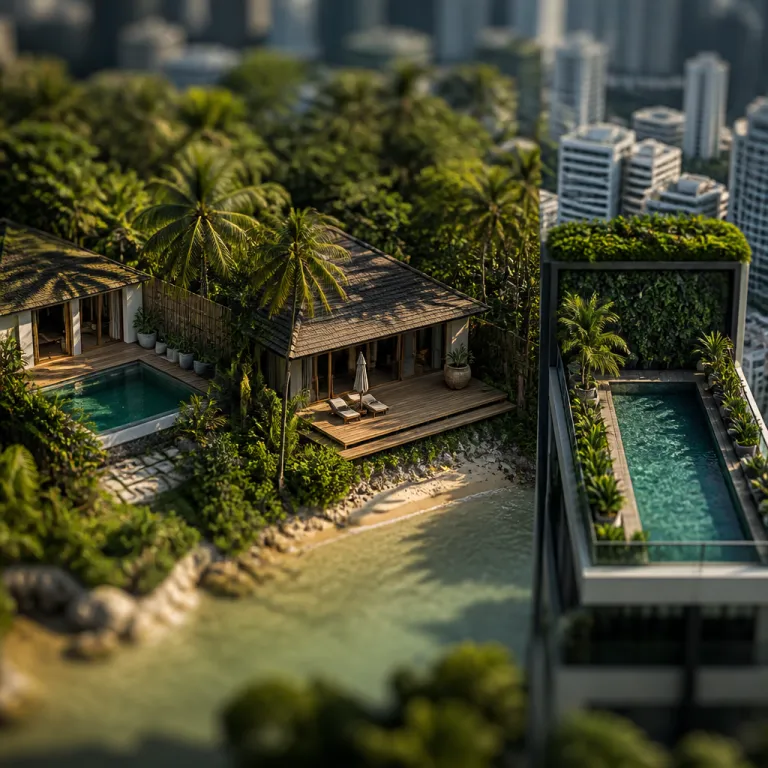
Choosing accommodation in Thailand is not a detail; it is the script of your holiday. The same Thai city, the same stretch of sand, feels utterly different when you book a secluded pool villa, a sociable beachfront suite, or a glittering city tower hotel. Before you reserve a room, decide whether you want your stay to orbit privacy, social energy, or immersion in the streets.
Across the country, from Bangkok to Chiang Mai and Koh Samui, the range of hotels, refined hostels, and even carefully curated Airbnb apartments means every couple can find a place to stay that matches their travel style. A pool villa in southern Thailand might give you long night swims and slow mornings, while a high-floor hotel tower in Sathorn turns the same trip into late dinners, rooftop bars, and a five-minute walk to the Skytrain. When you think about accommodation in Thailand, focus less on star ratings and more on how each format will shape your days.
Data from the Tourism Authority of Thailand and provincial hotel associations shows that private villas are no longer a niche option, and the number of pool villas nationwide now runs into several thousand. For instance, a 2023 Tourism Authority briefing on upscale stays noted that villa-style inventory had more than doubled over the previous decade, especially in Phuket, Krabi, and Koh Samui. At the same time, surveys by major booking platforms such as Booking.com and Agoda indicate that a significant share of visitors still prefers high-rise city hotels, because they want to stay in Thailand with easy access to dining, culture, and shopping in the best areas of each city. Your task is to find the best hotel or combination of stays for your own rhythm, not someone else’s idea of a perfect place to sleep.
Pool villas in Thailand: privacy, space, and the quiet luxury of time
A pool villa in Thailand is, at its core, a private residence with its own swimming pool and full hotel-level service. As one official definition used by Thai villa operators puts it, “a private villa featuring its own swimming pool and dedicated staff.” For couples planning a honeymoon or an anniversary trip, this format turns every night into a self-contained retreat.
On islands like Koh Samui and in the quieter corners of Phuket, pool villas sit above small coves or in lush gardens, often a short walk or a quick buggy ride from the main hotel facilities. You get air conditioning, indoor and outdoor showers, and mid-range to ultra-luxury finishes, but the real luxury is the ability to stay in, order breakfast to your terrace, and barely see another guest. For digital nomads taking a longer stay in Thailand, a pool villa with a separate living room and good desk space can be a strong option, especially when booking for several weeks at mid-range prices during the green season.
The trade-off is isolation, and you feel it most in the evening when the hotel’s social energy is happening elsewhere. If you want to meet other travelers, or you like the idea of a bar where you can find a seat and talk to the bartender, a pool villa may feel too quiet after the second or third night. Families, however, often rate this format as the best style for young children, because parents can relax by the pool while kids sleep inside with the air conditioning on, and the whole arrangement feels safe and contained. One couple who split their stay between a Phuket pool villa and a city tower described the villa chapter as “slow mornings, private swims, and no pressure to go anywhere.” For couples visiting during school holidays, consider timing your booking with a quieter month, and study guidance such as this analysis of the smartest family booking window in August to secure better prices on pool villas.
Beachfront suites and resort life: when the sea is your living room
A beachfront suite in Thailand is the classic resort fantasy, where you wake to the sound of waves and step directly from your terrace to the sand. These suites sit within larger hotels, so you trade the solitude of a pool villa for structured activities, restaurants, and a social atmosphere that starts at breakfast and runs late into the night. For many couples, this is the best accommodation format because it balances privacy in the room with the energy of a full resort.
On Koh Samui, Phuket, and the smaller islands of the Andaman Sea, beachfront hotels often line entire bays, each with its own interpretation of luxury. You might book a mid-range resort where a beachfront suite is only a short walk from the pool bar, or choose a higher-tier property where every suite has a private plunge pool and direct beach access. If you are planning scuba diving days, staying in a beachfront suite near the pier can be a practical choice, because early morning boat departures become a simple stroll rather than a long transfer across the city.
Prices for beachfront suites are generally higher than inland rooms, especially between November and March when the Andaman coast is at its best. Industry price indices and sample rates from major booking sites show that a quality beachfront suite in popular Thai resorts often sits in the upper mid-range bracket, with nightly prices that can exceed comparable city rooms by 20–40 percent. For example, a well-rated beachfront suite on Koh Samui might start around US$180–220 per night in January, while a similarly appointed Bangkok tower room could sit closer to US$120–150. This is when it makes sense to compare budget, mid-range, and higher categories carefully, and to book stays well ahead to secure the best areas of each resort. For couples mapping out island-hopping routes and wondering where to find the most refined places to stay, resources like this guide to the best Thailand islands for luxury stays help you match each beach to the right style of hotel.
City towers in Bangkok and beyond: base camps for urban explorers
City tower hotels in Bangkok, Chiang Mai, and other major hubs in Thailand offer a very different kind of luxury, one defined by proximity rather than seclusion. You trade the sound of waves for the hum of the city, but in return you gain instant access to street food, galleries, rooftop bars, and the kind of late-night energy that can make a stay unforgettable. For active travelers, this is often the most efficient accommodation choice.
In Bangkok, a high-rise hotel along the Chao Phraya River or near Sukhumvit places you within a short walk or a quick Skytrain ride of some of the best areas for dining and shopping. Couples can book a high-floor suite with full air conditioning, river views, and club lounge access, then step outside to find a soi-level noodle stall or a speakeasy bar hidden behind an unmarked door. Digital nomads often prefer these towers because they combine reliable Wi‑Fi, business facilities, and easy airport connections with the ability to stay in Thailand for several weeks without needing a car.
In Chiang Mai, a modern tower near the Old City walls gives you a base camp for day trips to the mountains while keeping you close to the night markets. In Chiang Rai, where tented camps and riverside lodges dominate, the few city towers serve travelers who want a quick overnight stay before heading to the Golden Triangle. A 2022 Agoda trends report on Thailand noted that Bangkok and Chiang Mai high-rise hotels remained among the most-booked categories for international visitors, reflecting this preference for urban convenience. When you book rooms in these towers, you are choosing a format that prioritizes movement and exploration over resort-style downtime, and that can be the best decision for a first-time visit. For a curated overview of where to find refined city and resort stays, consult this guide to refined stays in Thailand before finalizing your booking.
Tented camps, character hostels, and hidden gems beyond the obvious
Not every memorable stay in Thailand happens in a pool villa, a beachfront suite, or a city tower hotel. In the north, tented camps near Chiang Rai and in the forests around Khao Sok National Park offer a more immersive form of accommodation, where nature is the main event rather than a backdrop. You sleep under canvas with full air conditioning, dine by the river, and wake to birdsong instead of elevator chimes.
These tented camps usually sit far from the city, so you need to book with transfers included or plan a private car, but the reward is deep quiet and star-filled nights. Couples who love hiking, river kayaking, or wildlife watching often rate these stays as the best experiences of their trip, even when the official category is closer to mid-range than ultra-luxury. If you are combining a tented camp with a Chiang Mai or Chiang Rai city stay, think of the camp as the emotional high point and the city tower as the practical base.
In Chiang Mai and Bangkok, a new generation of design-forward hostel properties has also changed how travelers think about budget and mid-range stays. A well-run hostel in Chiang Mai can offer private rooms with hotel-level linens, strong air conditioning, and a social lobby where digital nomads and couples swap tips on the best areas to find street food. For some travelers, mixing two or three nights in a character hostel with a longer stay in a higher-end hotel creates a balanced itinerary that keeps prices under control without sacrificing comfort.
Matching your Thailand stay to your travel style and season
Once you understand how each accommodation format shapes your days, the next step is to align your stay with your travel style and the season. If you are a resort lounger who wants everything within a short walk, a beachfront suite in Koh Samui or Phuket during the dry season will feel like the best option, especially if you plan scuba diving or boat trips. Active explorers who want to discover a different city neighborhood every night will be happier in a Bangkok or Chiang Mai city tower hotel, where the lobby is simply a launchpad.
Nature seekers should look north to Chiang Rai, Khao Sok, and the national parks, where tented camps and riverside lodges turn accommodation in Thailand into an experience in itself. In the green season, when rain showers are more frequent and prices soften, this is often the smartest time to book stays in pool villas or mid-range beachfront suites, because price differences between categories narrow. Couples who can travel outside peak months will find that the same hotel property can feel like a private hideaway when occupancy drops, especially on secondary islands and in lesser-known places to stay.
Whatever you choose, treat your booking as a strategic decision rather than a last-minute click. Read recent guest feedback carefully, compare prices across several nights, and pay attention to details like air conditioning quality, walking distances, and whether the property is close to noisy bars or quiet sois. In a country where accommodation choices range from Airbnb apartments to palace-level hotels, the most satisfying stays in Thailand come when your room, your city, and your rhythm are all in sync.
Key figures that shape accommodation choices in Thailand
- Thailand’s tourism authorities report that several thousand pool villas now operate nationwide, reflecting a strong rise in demand for private villas among couples and families seeking space and privacy.
- Industry price indices show that the average cost of a quality beachfront suite per night in major Thai resorts sits around the upper mid-range bracket, typically higher than comparable city tower rooms because of direct beach access and limited inventory.
- Recent travel surveys indicate that a substantial share of international visitors still prefers city tower hotels in Bangkok and other hubs, underlining the appeal of urban stays for travelers who prioritize proximity to dining, shopping, and cultural attractions.
- Market analyses highlight a clear growth in eco-focused and nature-based accommodations, including tented camps near Chiang Rai and Khao Sok, as travelers look for places to stay where the environment is central to the experience.
- Booking data from major platforms shows that shoulder-season months often deliver noticeably better prices on accommodation in Thailand, especially for pool villas and beachfront suites, making flexible timing one of the most effective ways to upgrade your stay.
FAQ about accommodation styles in Thailand
What is a pool villa, and who is it best for ?
A pool villa in Thailand is a private residence-style unit with its own swimming pool, full air conditioning, and hotel-level services such as housekeeping and room service. This format suits couples seeking privacy, honeymooners, and families who want space for children to play without leaving their place to stay. It is less ideal for travelers who enjoy the social atmosphere of large hotels or who want to be a short walk from bars and restaurants.
Are beachfront suites in Thailand always more expensive than other rooms ?
Beachfront suites usually cost more than garden or city-view rooms in the same hotel property, because they offer direct access to the sand and unobstructed sea views. Prices climb further in peak season on islands like Koh Samui and Phuket, when demand for this type of accommodation in Thailand is highest. Travelers on a mid-range budget can sometimes secure better value by choosing beachfront rooms one row back from the sand or by traveling in the green season.
Do city tower hotels in Bangkok offer good value for luxury travelers ?
City tower hotels in Bangkok often deliver strong value, because you get high service levels, full facilities, and excellent air conditioning at prices that can be lower than equivalent beachfront suites. For travelers who want to stay in Thailand with easy access to dining, shopping, and cultural sites, a well-located tower in the best areas can be the best hotel option. Many couples pair a few nights in a Bangkok tower with a longer stay in a resort or pool villa to balance urban energy and relaxation.
How should I split my stay between north and south Thailand ?
A classic pattern is to book hotel nights in Bangkok or Chiang Mai first, then fly south for beach time in Koh Samui or the Andaman coast. Urban stays in city towers or character hostels let you explore temples, markets, and food scenes, while beachfront suites or pool villas provide downtime at the end of the trip. If you are interested in tented camps near Chiang Rai or Khao Sok, consider placing them in the middle of your itinerary as a nature-focused pause between city and sea.
Is it worth mixing different accommodation types in one trip ?
Mixing formats is often the most rewarding way to experience accommodation in Thailand, because each style shapes your days differently. You might start in a Bangkok city tower, move to a tented camp near Chiang Rai, then finish in a beachfront suite or pool villa on Koh Samui, creating distinct chapters within one journey. This approach also lets you balance prices, combining a few indulgent nights in the best hotel categories with more modest but still good options such as mid-range hotels or high-quality hostel properties in Chiang Mai.