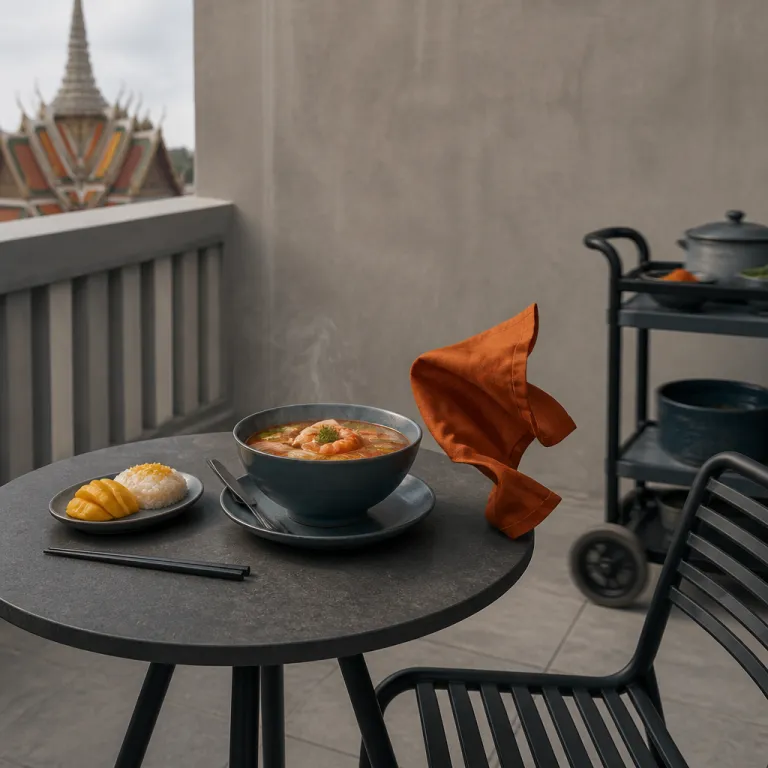
Why solo luxury and Thailand belong together
Thailand is unusually well suited to high-end solo travel in a way that feels effortless rather than experimental. The blend of refined Thai hospitality, dense transport networks and a culture that respects personal space makes a luxury trip for one feel natural instead of niche. When you design a Thailand solo itinerary with care, the country quietly adjusts around you so that every journey alone feels both independent and gently supported.
The mai pen rai mindset, loosely translated as “never mind” or “it’s okay”, underpins how staff treat solo guests in luxury spaces. You are noticed, but never fussed over, which is why many women say that travelling alone in Thailand feels calmer here than in other parts of Southeast Asia. One solo female traveller described arriving at a Bangkok riverside hotel after midnight to find a female staff member already assigned to escort her to her suite and arrange a wake-up call, “without a single comment about me being on my own”. For a solo female traveller, a well trained Thai team will anticipate needs with precision, from a second room key for the spa to arranging a late night car back from a national park, without turning your stay into a performance.
Service culture in Thailand often suits individuals better than many visitors expect, because so much of the country’s dining and leisure life is already structured around small groups or one person. A solo traveller can slip into a street food stall in Bangkok, a poolside lounger in Phuket or a meditation sala in Koh Samui without raising an eyebrow. This ease of moving through everyday spaces alone is what makes a longer luxury solo travel Thailand itinerary feel less like a statement and more like a very comfortable default.
Bangkok, Chiang Mai and Phuket: urban bases that flatter solo travellers
Bangkok is the capital of upscale solo travel in Thailand because it layers world class hotels over a city that already runs on individual rhythms. You can spend the day drifting between a riverside infinity pool, a gallery in a converted warehouse and a street food alley, and no one will ask why you are alone. For travellers who like structure, the city’s Skytrain, river boats and plentiful taxis make every solo journey between neighbourhoods feel predictable and safe.
In Bangkok, look for hotels that understand independent travellers in practical ways, such as front desks that remember your name, concierges who recommend late night street food near the hotel, and rooftop bars with counter seating. Properties that offer late checkout by the hour, rather than rigid blocks of time, respect the way solo guests often improvise their stay. When you travel Thailand alone, this flexibility turns a long night flight or an early morning train into a smoother transition rather than a logistical headache. As a rule of thumb, booking central Bangkok hotels 30–45 days in advance secures better solo rates than last minute searches during peak season.
Chiang Mai offers a different tempo for solo journeys, with leafy lanes, temples and cafés that reward unhurried exploration. Many travellers base themselves near the old city walls, where they can walk to markets, co working spaces and small galleries in under fifteen minutes. If you are planning a wider circuit through Thailand, Chiang Mai also works as a springboard to Khao Sok style landscapes and lesser known provinces, especially when combined with insights from deep dive guides such as this piece on slow luxury in the Golden Triangle.
Island retreats for one: Koh Samui, Koh Lanta and the Andaman coast
For many visitors, the appeal of luxury solo travel in Thailand crystallises the moment they step onto an island pier and feel the air change. Koh Samui, Koh Lanta and the smaller koh archipelagos off the Andaman coast each offer a different mood for a trip for one, from wellness focused to quietly wild. Choosing the right island for your solo escape matters more than choosing the fanciest room, because the island’s rhythm will shape every day and night of your stay.
Koh Samui is the most polished option for solo travellers who want structured wellness and easy logistics. Kamalaya Koh Samui, for example, is built around individual wellness journeys, with programmes that make a solo female guest feel held without being smothered. If you are weighing up the best time and season to visit, use a planning resource such as this guide to the best time to visit Koh Samui for luxury island stays, then align your trip with calmer seas and fewer crowds. For solo female travel Thailand in particular, Samui’s combination of short airport transfers and well staffed resorts can make late arrivals feel less stressful.
Koh Lanta, by contrast, suits solo travellers who value space and long, quiet beach walks over nightlife. Here, a Thailand itinerary for one might mean a simple but elegant villa, a daily massage and sunset swims, with one or two nights set aside for a boat trip into Phang Nga or a guided visit to a nearby national park. When you plan a broader island hopping route, consider combining Koh Lanta with more energetic hubs such as Phuket or Koh Samui, using a curated overview like this article on the best Thailand islands for luxury stays to balance solitude and sociability.
Hotels that understand solo luxury: from Kata Rocks to wellness sanctuaries
Not every five star property is designed with solo travellers in mind, even in Thailand. The best hotels for high end solo stays share a few traits, starting with staff who are trained to read whether a guest wants conversation or quiet. They also offer room categories, dining layouts and activity schedules that make travelling alone feel like the norm rather than an exception.
On Phuket, Kata Rocks is a strong choice for solo travellers who want design forward villas and Andaman Sea views without feeling marooned in a honeymoon crowd. Its infinity pool villas are generous, but the real advantage for independent guests lies in the communal pool deck and bar, where counter seating and small tables make it easy to read alone or chat with other travellers. For a solo female guest, the combination of attentive security, clear sightlines and a short transfer time from the airport helps reinforce the sense that Thailand’s reputation for safe luxury is not a slogan but a lived reality.
On Koh Samui, Kamalaya is one of the clearest examples of how Thailand serves solo wellness travellers better than many destinations in Southeast Asia. Programmes are built around one person at a time, with consultations, treatments and meals calibrated to individual needs rather than couples. When you compare this to a pool villa resort where you pay a single supplement for space you will not use, the value equation for travelling alone becomes obvious, especially over a stay of more than three or four nights. As a practical tip, many wellness resorts release solo-focused packages 3–6 months ahead of peak dates, so setting fare alerts and booking early can secure better inclusions for the same nightly rate.
Tables for one: how Thailand normalises solo dining from street food to fine dining
One of the quiet pleasures of luxury solo travel in Thailand is how easy it is to eat alone without performance. In Bangkok, Chiang Mai and Phuket, the culture of street food and small shophouse restaurants means that a table for one is an everyday sight. You can slip into a stool at a khao tom shop at midnight, order a bowl of rice soup and a plate of stir fried greens, and no one will so much as glance up.
At the higher end, Thailand has been quietly innovating around solo diners in ways that many visitors miss. MK Restaurant, a popular hotpot chain, introduced one person tables several years ago, and they remain a useful option for travellers who want a quick, air conditioned meal between meetings or flights. In the luxury segment, many hotel restaurants now offer bar seating or chef’s counter experiences, which means a solo female guest can enjoy a long tasting menu without feeling parked at a corner table. A simple tactic is to request counter seating at the time of booking; in busy Bangkok hotels this often leads to more interaction with chefs and staff, which many solo travellers find reassuring.
Across the country, from Bangkok to Koh Samui, the fact that Thai people often eat in small groups or alone makes solo travel feel socially frictionless. You can graze on street food in Chiang Mai’s markets one night, then book a refined omakase counter in Bangkok the next, and in both settings your solo status will barely register. This easy acceptance of solo diners at every kind of table is what makes a longer journey through Thailand feel sustainable rather than performative.
Logistics, safety and timing: making the most of your solo trip
Thailand’s infrastructure is one of the strongest arguments for luxury travel as a party of one, because it compresses journey times between very different landscapes. A domestic flight from Bangkok to Phuket or Koh Samui usually takes under ninety minutes, which means you can wake up in a riverside suite and fall asleep beside a beach on the same night. Ferries between the gulf islands and the Andaman coast’s koh chains are frequent in high season, and private transfers can bridge the gaps when public options thin out.
For solo travellers, this connectivity allows you to design a route that balances stimulation and rest. You might spend three nights in Bangkok, two in Chiang Mai, three in Koh Samui and three in Koh Lanta, with a day trip into Khao Sok or another national park to reset your senses. When you travel Thailand this way, each segment is short enough that you do not lose a full day to transit, which matters more when you are managing every transfer alone. Many solo visitors now book vetted airport transfers through their hotel or established ride-hailing apps, which adds a layer of predictability when arriving late at night.
Safety is another reason many solo female travellers rate Thailand favourably compared with other parts of Southeast Asia, especially in well trodden areas such as Bangkok, Chiang Mai, Phuket and Koh Samui. Sensible precautions still apply, of course: you do not leave drinks unattended or wander into unlit parks at night. Yet the combination of visible staff in hotels, regulated taxis at airports and a culture that generally respects personal boundaries means that a carefully planned solo itinerary here can stretch over two or three weeks without feeling draining.
Value, seasons and when to pay for space you will not use
Cost is where luxury travel alone in Thailand requires the clearest strategy, because single supplements can quietly erode your budget. In many Thai city hotels, especially in Bangkok and Chiang Mai, room rates are per room rather than per person, which makes a solo stay efficient. The challenge comes with pool villas and multi bedroom suites on islands such as Koh Samui, Phuket or Koh Lanta, where you may be paying for space you will barely enter.
As a rule, it is worth absorbing a modest single supplement when the hotel’s location or service culture significantly enhances your experience. A well positioned city suite that lets you walk to street food, galleries and parks will deliver more value over time than a remote villa that requires a car for every movement. When you factor in the season, you can often secure shoulder period rates that make high end properties accessible to solo travellers without compromising on quality. In popular resort areas, single supplements of around 20–40 per cent on villas are common, so comparing total stay costs rather than just nightly rates helps clarify where to spend.
Industry commentary from Thai tourism and hospitality bodies points to a steady rise in solo guests booking luxury stays, and a growing share of high end properties now tailoring offers to people travelling alone. This shift, combined with restaurants like MK Restaurant offering one person tables and wellness resorts such as Kamalaya Koh Samui focusing on individual journeys, means that the ecosystem for solo travel is no longer a niche experiment but an embedded part of how Thailand welcomes guests who come alone.
Key figures that shape solo luxury travel in Thailand
- Thailand’s tourism authorities and regional reports have highlighted a significant multi year increase in solo travellers, suggesting a structural shift rather than a passing trend.
- Hospitality analysts note that a substantial share of luxury hotels in the country now offer some form of solo traveller package, from waived single supplements to curated one person wellness programmes.
- Domestic flight times between Bangkok and major island gateways such as Phuket and Koh Samui typically range from 60 to 90 minutes, allowing solo travellers to combine city and island stays within a short itinerary.
- Many national parks, including Khao Sok and marine reserves near Phang Nga, can be reached within half a day from major resort hubs, making guided day trips feasible and safe for solo visitors.
FAQ about solo luxury travel in Thailand
What are the best luxury hotels in Thailand for solo travellers ?
Kata Rocks in Phuket, Kamalaya on Koh Samui and established names such as Amanpuri near Phuket consistently rank among the top choices for solo travellers. These properties combine strong security, attentive but discreet service and layouts that make it easy to dine or relax alone. Many also offer activities, from wellness consultations to small group excursions, that help solo guests connect with others on their own terms.
Are there restaurants in Thailand that accommodate solo diners comfortably ?
Yes, Thailand is unusually friendly to solo diners at every level, from street food stalls to polished restaurants. Chains such as MK Restaurant have even introduced dedicated one person tables, which normalise solo dining in busy malls and commercial districts. In luxury hotels, bar seating and chef’s counters are increasingly common, giving solo travellers elegant options for long meals without awkwardness.
Why is Thailand considered favourable for solo travellers in general ?
Thailand combines solo friendly accommodation, a deep street food culture and efficient transport links in a way that few destinations match. The mai pen rai attitude and Thai emphasis on respectful service mean that solo travellers, including solo female guests, are usually treated with quiet courtesy rather than curiosity. When you add in domestic flights, ferries and trains that connect major hubs in a few hours, the country becomes a natural base for extended solo itineraries.
Is Thailand safe for solo female travellers at the luxury level ?
Most solo female travellers report feeling comfortable in Thailand’s main luxury hubs, especially in Bangkok, Chiang Mai, Phuket and Koh Samui. High end hotels typically have strong security protocols, vetted drivers and staff who are used to assisting guests returning late at night. As always, standard precautions apply, but the overall environment is considered safer than many other parts of Southeast Asia for women travelling alone.
How can a solo traveller minimise costs without sacrificing luxury ?
The most effective strategy is to prioritise location and service over sheer room size, especially on islands where pool villas can carry steep single supplements. Booking shoulder season dates, choosing city suites instead of multi bedroom villas and looking for hotels that waive or reduce single supplements can all protect your budget. Combining a few nights in ultra luxury properties with longer stays in well located, design led hotels often delivers the best balance of comfort and value for solo travellers.