Bangkok’s royal heart and riverside elegance
Among the most compelling places to see in Thailand, Bangkok stands at the crossroads of royal heritage and contemporary luxury. The Thai capital lets you combine a morning at the Grand Palace with an evening in a sky bar, creating one of the best places for travelers who want culture and comfort in equal measure. For refined Thailand travel, choose a riverside hotel that offers a private boat for a half day tour along the Chao Phraya River.
Start your visit with the Grand Palace complex, where the revered Wat Phra Kaew temple houses the Emerald Buddha and where manicured courtyards showcase centuries of Thai craftsmanship. Many premium hotels in Bangkok arrange guided day tours with licensed experts who explain the symbolism behind each temple mural, which turns a simple walk into a deeper lesson about the kingdom’s history and religion. When you plan these tours, ask your concierge for travel tips on dress codes, as shoulders and knees must be covered to enter any major temple in Thailand.
Riverside neighborhoods remain some of the best places Thailand offers for pairing cultural landmarks with five star stays. From your suite you can watch long tail boats glide past historic temples, then step directly onto a private pier for a sunset cruise that reveals another side of Bangkok at night. Many luxury properties also coordinate a day trip to nearby Ayutthaya, where ruined temples and chedis rise above the river plains and where you can compare ancient capitals during a single Thailand travel itinerary.
Temple towns and luxury bases in Chiang Mai
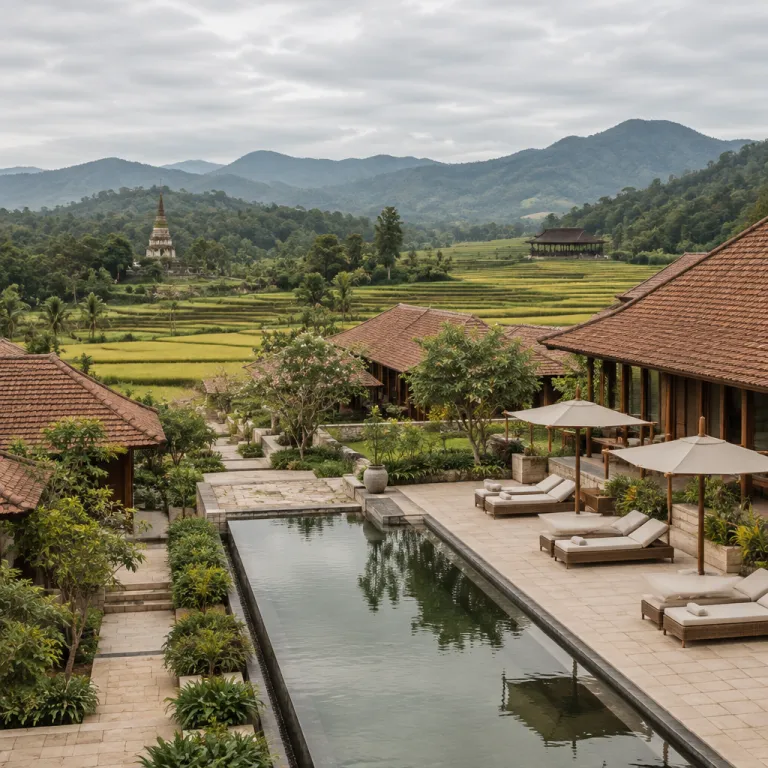
Far from the capital’s energy, Chiang Mai offers some of the most atmospheric places to see in Thailand for travelers who value slower rhythms. The old city is encircled by moats and gates, and inside you will find dozens of temples where saffron robed monks chant at dawn and where incense curls through carved wooden halls. Choosing a central luxury hotel here lets you walk between temples in the cool morning, then retreat to a shaded pool when the tropical heat rises.
Wat Phra Singh and Wat Phra That Doi Suthep are essential stops for any Chiang Mai visit, and both reward travelers who arrive early in the day. Many high end properties arrange private transfers up the mountain to Doi Suthep, timing your arrival for soft light over the city and arranging a guide who can explain the temple’s murals and relics. For curated inspiration on pairing heritage sites with refined stays, explore this guide to temple towns with a luxury base before finalizing your Thailand travel plans.
Chiang Mai’s surroundings also offer some of the best places Thailand has for soft adventure combined with comfort. A private day trip into the nearby hills can include visits to craft villages, forest temples, and elephant sanctuaries that follow strict ethical standards, with your driver waiting to bring you back to your spa suite by late afternoon. When comparing hotels, look for properties that provide thoughtful travel tips about respectful temple etiquette, local festivals, and the best day tours, because this guidance often matters more than the thread count of your sheets.
Chiang Rai, the Golden Triangle and slow luxury in the north
Further north, Chiang Rai and the Golden Triangle region present quieter places to see in Thailand, where misty hills meet the Mekong River. Chiang Rai city is smaller than Chiang Mai, yet it offers striking temples such as Wat Rong Khun and Wat Phra Kaew, along with a growing selection of luxury and premium hotels. Many travelers combine a stay in Chiang Rai with a few days in the Golden Triangle, creating an itinerary that balances culture, scenery, and indulgent relaxation.
The Golden Triangle area, where Thailand meets Laos and Myanmar, has evolved into one of the best places for slow travel in Southeast Asia. High end lodges here often include all meals, curated excursions, and spa treatments, allowing you to focus on the river views and on learning about local hill tribe cultures. For an in depth look at how this region blends heritage, cuisine, and discreet hospitality, consult this perspective on slow luxury in the Golden Triangle when planning your Thailand travel route.
From Chiang Rai, you can arrange a day trip to tea plantations, border markets, and remote temples that rarely appear on lists of the most famous places Thailand offers. Private guides help you understand how the Mekong has shaped trade and culture here, turning a simple tour into a narrative about regional history. When booking your hotel, ask whether they can coordinate small group tours rather than large buses, because this keeps your experience intimate and preserves the quiet character that makes these northern places so special.
Island culture and coastal landmarks from Phuket to Koh Samui
Southern Thailand’s islands combine turquoise water with cultural landmarks, creating coastal places to see in Thailand that go far beyond beaches. Phuket remains the most developed island, with a wide range of luxury hotels, fine dining, and yacht charters that can take you to nearby islands in Phang Nga Bay and beyond. For travelers who want both nightlife and heritage, Phuket Old Town offers Sino Portuguese mansions, shrines, and cafés that contrast with the island’s famous beaches.
From Phuket, many guests book a private day tour by speedboat to the Phi Phi islands, where limestone cliffs rise from emerald water and where snorkeling reveals coral gardens within a short ride of your suite. Another classic excursion is a cruise through Phang Nga Bay, sometimes called Nga Bay, where karst formations and sea caves create one of the best places Thailand offers for photography and sea kayaking. When planning these tours, choose operators that limit group sizes and that respect national park regulations, because this protects both the marine environment and your sense of exclusivity.
On the Gulf of Thailand side, Koh Samui offers a different island character, with palm fringed beaches, hillside villas, and temples such as Wat Phra Yai, where a giant golden Buddha overlooks the sea. Many premium resorts here function almost like a private boutique resort in spirit, even if they avoid that label, offering pool villas, wellness programs, and curated day trips to nearby islands. Whether you choose Phuket, Koh Samui, or both, the best places for luxury stays will help you balance time on the beaches with visits to local temples and markets, ensuring your Thailand travel feels both indulgent and rooted in place.
Koh Tao, Koh Lanta and national park gateways
Some of the most rewarding places to see in Thailand lie on smaller islands that serve as gateways to marine and forest national parks. Koh Tao, long known for diving, now offers refined stays that appeal to travelers who want both underwater adventures and quiet hillside suites. For curated hotel ideas, this guide to refined hotel stays in Koh Tao highlights properties that pair sea views with thoughtful service.
Nearby Koh Phangan and Koh Samui form a trio of islands where you can combine yoga retreats, temple visits, and snorkeling day trips, each island offering a slightly different rhythm. On the Andaman side, Koh Lanta remains one of the best places Thailand offers for travelers who prefer long, quiet beaches and low rise resorts that blend into the landscape. From Koh Lanta, you can arrange a day tour to nearby islands and to marine national park areas, returning to sunset cocktails on the sand after a full day on the water.
Inland, Khao Sok National Park and Khao Yai National Park provide dramatic rainforest scenery, limestone cliffs, and wildlife, and both can be paired with premium lodges that emphasize sustainability. Many luxury properties near Khao Sok offer floating villas on Cheow Lan Lake, where misty mornings and jungle calls replace city noise and where guided tours introduce you to the park’s biodiversity. When planning your Thailand travel, consider combining an island such as Koh Tao or Koh Lanta with a stay near a national park, because this contrast between beaches and rainforest often becomes the highlight of a well balanced itinerary.
Designing a luxury itinerary around Thailand’s cultural places
Creating a refined route through the key places to see in Thailand means balancing cities, temples, islands, and national parks in a way that matches your pace. Many travelers choose a triangle of Bangkok, Chiang Mai, and either Phuket or Koh Samui, then add a few days in Chiang Rai or Koh Tao for a quieter finale. This structure lets you experience royal palaces, northern temples, and southern beaches without rushing, while still leaving space for spontaneous day trips.
When selecting hotels, prioritize properties that understand how to connect guests with local culture, not only those that market themselves as the best or most luxurious. Look for concierges who can arrange private temple visits at off peak times, organize small group food tours, and provide practical travel tips about respectful behavior in sacred places. A thoughtful hotel team can transform a standard tour into a meaningful encounter, whether you are visiting Wat Phra Kaew in Bangkok, a hilltop temple near Chiang Mai, or a seaside shrine on an island.
As you compare options across Thailand, consider how each stay will frame your experience of nearby cultural landmarks and landscapes. A riverside suite in Bangkok offers a different perspective on the Grand Palace than a high rise room, just as a hillside villa on Koh Samui shapes how you experience the beaches below. By aligning your hotel choices with the specific places Thailand inspires you to visit, you create an itinerary where every day feels intentional, layered, and quietly luxurious.
Key figures for luxury and cultural travel in Thailand
- The Tourism Authority of Thailand has reported that Bangkok consistently ranks among the most visited cities worldwide, reflecting strong demand for cultural landmarks such as the Grand Palace and Wat Phra Kaew.
- Phang Nga Bay and surrounding marine national park areas receive millions of visitors each year, which makes choosing responsible, small group tours essential for preserving the limestone islands and coral reefs.
- Chiang Mai and Chiang Rai together host hundreds of active temples, giving northern Thailand one of the highest concentrations of accessible religious sites in Southeast Asia for travelers interested in culture.
- Khao Yai National Park is one of the largest protected areas in Thailand, and its proximity to Bangkok allows travelers to experience rainforest ecosystems within a half day’s journey from the capital.
- Island destinations such as Phuket, Koh Samui, Koh Tao, and Koh Lanta account for a significant share of Thailand’s premium hotel inventory, reflecting the strong link between beaches, marine tours, and high end stays.
FAQ about luxury stays near cultural places in Thailand
What is the best way to combine Bangkok and northern Thailand in one trip ?
A popular approach is to spend three or four nights in Bangkok for the Grand Palace, Wat Phra Kaew, and riverside neighborhoods, then fly to Chiang Mai or Chiang Rai for at least three nights among northern temples and markets. This balance allows time for guided day tours and relaxed evenings in your hotel, without feeling rushed between places. Many premium properties can help coordinate domestic flights and transfers, simplifying your Thailand travel logistics.
How many days should I stay on an island such as Phuket or Koh Samui ?
For a mix of beaches, cultural visits, and boat tours, plan a minimum of four nights on major islands like Phuket or Koh Samui. This gives you one day for a private or small group tour on the water, one day for temple visits and local markets, and at least one full day to enjoy your resort. Travelers who value spa time and relaxed dining often extend their stay to a week, especially when combining several islands.
Are national parks such as Khao Sok suitable for luxury travelers ?
Yes, Khao Sok National Park and similar areas now offer premium lodges and tented camps that focus on comfort and sustainability. Guests can enjoy guided jungle walks, lake cruises, and wildlife watching by day, then return to well appointed suites and refined dining in the evening. These stays work well as a contrast to city and island experiences, especially for travelers who appreciate nature but prefer not to sacrifice comfort.
What should I wear when visiting temples in Thailand ?
Temples across Thailand, from Bangkok to Chiang Mai and island shrines, require modest clothing that covers shoulders and knees for both men and women. Lightweight long trousers or skirts and tops with sleeves are ideal, and many travelers carry a scarf to adjust their outfit before entering a temple. Luxury hotels often provide written travel tips on dress codes and can arrange for appropriate clothing if you forget to pack it.
Is it better to book tours through my hotel or independently ?
For travelers staying in luxury and premium hotels, booking tours through the concierge often ensures vetted guides, comfortable vehicles, and schedules that match your preferences. Independent booking can sometimes reduce costs, but it requires more research into safety, licensing, and group sizes. Many guests find that the added convenience and quality control from hotel arranged tours justify the higher price, especially for full day trips to islands, national parks, or remote temples.