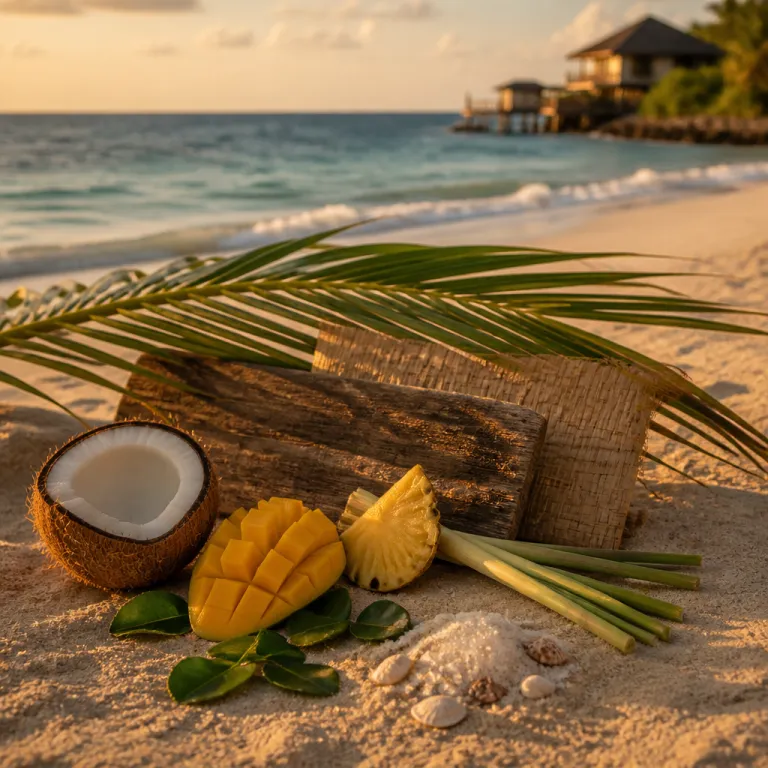
How to define the best beach in Thailand for luxury stays
Choosing the best beach in Thailand for a luxury hotel stay starts with clarity about your travel style. Some travellers want a quiet island with powdery white sand and calm water, while others prefer lively beaches in Thailand with fine dining, yacht charters, and easy airport access. When you match your expectations with the right Thai coastal region, your trip feels effortless and genuinely premium.
For many guests, Railay Beach in Krabi ranks among the best beaches because it combines dramatic limestone cliffs, emerald water, and a compact layout that keeps every luxury resort close to the sand. Railay Beach is only accessible by boat, which immediately creates an island style atmosphere even though it sits on the mainland bay, and this semi isolation suits travellers who want privacy without long transfers. High end hotels here often arrange private long tail transfers, so your day begins with a short glide across the water rather than a crowded pier; the crossing from Ao Nang typically takes 10–15 minutes and costs the equivalent of a few US dollars per person on a shared boat, according to common local operator schedules and posted pier tariffs.
If you prefer a more classic island escape, then the best beach in Thailand for you may be on Phuket, Koh Samui, or Koh Lanta, where five star resorts line long curves of white sand. Kata Beach in Phuket is widely regarded as one of the best family friendly beaches Thailand can offer, thanks to shallow water, lifeguards, and a relaxed town behind the palm trees. Luxury hotels along Kata Beach and nearby Karon balance resort comfort with easy access to restaurants, making them ideal for a first visit or a short stay; well known properties such as The Shore at Katathani and Katathani Phuket Beach Resort place suites and villas directly on or just behind the sand, and many hotel descriptions highlight walking distances of only a few minutes from lobby to shoreline.
Matching Thailand’s iconic islands with your hotel expectations
Every famous island in Thailand has its own rhythm, and the best beach for you depends on how you like to spend each day. Koh Samui offers a polished mix of luxury villas, spa focused resorts, and calm beaches, while nearby Koh Phangan and Koh Tao feel more intimate and are better suited to travellers who enjoy smaller islands with character. When you compare these islands carefully, you can align your preferred level of privacy, nightlife, and service with the right stretch of sand.
Koh Samui’s northern and eastern coasts feature some of the best beaches for couples who want upscale dining and stylish rooms without sacrificing swimmable water. Chaweng and Lamai are the most famous, but many premium hotels now favour quieter bays with softer white sand and fewer speedboats, which improves both sleep quality and the sense of seclusion. For couples planning a romantic escape, it is worth reading in depth guidance such as a dedicated overview of luxury hotels in Thailand for couples before choosing a specific beach or island, and then comparing hotel maps to see how far each suite sits from the high tide line.
Further south, Koh Lanta and Koh Lipe appeal to travellers who want the best beaches Thailand can offer without the crowds of Phuket. Koh Lanta’s long west coast beaches provide space for low rise luxury resorts, where every villa can face the water and guests walk directly from their terrace to the beach; room types such as “beachfront pool villa” or “oceanfront suite” usually indicate uninterrupted sea views. Koh Lipe, often called the Maldives of Thailand, is renowned for its clear water and bright white sand, and high end hotels here often include private boat transfers to nearby islands and coral rich bays, with typical long tail journeys between local beaches taking 10–20 minutes based on standard routes published by local tour desks.
Planning a beachfront escape around seasons, access, and privacy
Weather, transport, and seclusion strongly influence which coastline feels like the best beach in Thailand at any given time. The Andaman Sea side, including Phuket, Krabi, Koh Lanta, and Koh Phi Phi, usually offers the best conditions from November to April, while the Gulf of Thailand around Koh Samui and Koh Phangan can be more appealing during other months. According to seasonal climate summaries from the Thai Meteorological Department, these patterns reflect the shift between the southwest and northeast monsoon systems, and luxury travellers who plan their trip around them enjoy calmer water, clearer skies, and more reliable boat connections between islands.
- Access and transfers: Shared ferries between Phuket, Phi Phi, and Krabi typically cost the equivalent of US$15–30 per person each way, based on average fares listed by major ferry companies and local booking counters.
- Booking lead times: Railay Beach, Koh Phi Phi, and certain bays in Phuket often reach full occupancy weeks ahead in peak season, especially for suites with direct beach access or private pools, so it is wise to follow specialist advice such as the guidance on Thailand hotels that sell out early and secure your preferred room category before planning the rest of your itinerary.
- Privacy and seclusion: Smaller islands like Koh Mak, Koh Kood, and parts of Koh Chang offer quiet bays where a single luxury resort may share the entire beach, creating a sense of exclusivity that busy destinations cannot match when combined with attentive Thai service and thoughtful design.
When you combine these seasonal patterns, transfer logistics, and privacy considerations into one plan, it becomes easier to decide whether your personal best beach in Thailand should be a famous bay with many facilities or a quieter cove with only a handful of upscale hotels.
Family friendly beachfront escapes and multi stop island trips
Families searching for the best beach in Thailand often prioritise safety, shallow water, and easy logistics over nightlife. Kata Beach in Phuket stands out as a strong choice because lifeguards patrol the shore, the bay is relatively sheltered, and many hotels sit within a short walk of both the sand and casual restaurants. This combination allows parents to manage nap times, meals, and beach sessions without long transfers in the heat.
For a more adventurous family trip, consider a multi stop route that links several islands and beaches in Thailand within one itinerary. A classic example is to start in Phuket for a few days of resort comfort, then continue by boat to Koh Phi Phi for dramatic scenery, and finish on Koh Lanta where the beaches are quieter and the sunsets linger over the water. Many luxury hotels on these islands can coordinate private transfers, which keeps the journey smooth even with children and luggage; speedboat charters between nearby islands often take under an hour and can be shared between families to reduce cost, as reflected in typical charter timetables and distance based pricing.
Families who value nature may prefer islands that sit near or inside a national park, where development is limited and the coastline remains largely unspoiled. Koh Chang and nearby Koh Mak, for instance, offer calm bays, palm trees, and a slower pace that suits younger children, while Koh Kood is known for some of the softest white sand in the region. When you choose these islands, look for resorts that provide kids clubs, reef safe amenities, and guided day trips that introduce younger guests to marine life responsibly, such as supervised snorkelling sessions or mangrove walks that follow park authority guidelines.
Iconic bays, marine scenery, and how to choose the right side of each island
Some travellers equate the best beach in Thailand with famous names like Maya Bay, Railay Beach, or Haad Rin, yet each of these places serves a different type of guest. Maya Bay, located near Koh Phi Phi, is visually spectacular with sheer cliffs and luminous water, but strict visitor limits and no overnight stays mean it works best as a day excursion from a nearby island; these rules are regularly referenced in announcements from Thailand’s Department of National Parks. Railay Beach, by contrast, supports a cluster of premium hotels where you can wake up to the cliffs every morning and enjoy the bay after most day trippers leave.
On larger islands such as Phuket, Koh Chang, and Koh Samui, the choice of coastline matters as much as the island itself. The west coast of Phuket faces the open Andaman Sea and hosts many of the best beaches, including Kata, Karon, and Surin, while the east coast is more about marinas and views of Phang Nga Bay than classic white sand. Koh Chang’s west coast concentrates most of the beaches and resorts, whereas the east remains quieter and more rural, which can appeal to travellers seeking privacy over nightlife and is reflected in the smaller number of listed accommodations on that side.
Smaller islands like Koh Tao and Koh Lipe reward guests who pay attention to specific bays and headlands rather than just the island name. On Koh Tao, for example, the area around Nang Yuan offers striking views and clear water, while other coves provide better snorkelling or calmer conditions for families. Koh Lipe’s Sunrise Beach and Pattaya Beach each have their own character, so reading detailed hotel descriptions and maps before you travel helps ensure that the beach in front of your suite matches your expectations, whether you prefer a lively waterfront or a quieter, more residential stretch of sand, and many booking platforms now show approximate walking distances from rooms to the shoreline.
Luxury hotel booking strategies for Thailand’s beachfront escapes
Securing the best beachfront room in Thailand is less about luck and more about timing, research, and clear priorities. Start by deciding whether your ideal best beach is on a large island with many hotels or on a smaller island where options are limited but often more exclusive. Once you know this, you can compare specific beaches Thailand offers in that region and shortlist properties that sit directly on the sand rather than across a road.
When evaluating luxury hotels, pay close attention to how they describe their access to the beach and the water. Terms such as “beachfront”, “beach access”, and “sea view” can mean very different things, so look for maps, guest photos, and clear statements about distance from room to sand. High end resorts on islands like Koh Samui, Koh Lanta, and Koh Kood often highlight whether their villas open directly onto white sand or sit on a hillside above the bay, and this detail will shape your daily experience; room labels such as “oceanfront pool villa” or “direct beach access suite” usually indicate the most coveted positions.
For travellers who want a refined island atmosphere without the intensity of Phuket or Koh Phi Phi, the twin islands between Phuket and Krabi offer a compelling alternative. A detailed guide to refined island retreats between Phuket and Krabi explains how these quieter islands combine upscale resorts, calm water, and easy access to Phang Nga Bay. Whatever your choice, always check seasonal weather, confirm transfer arrangements, and remember the expert advice that “Check weather before visiting. Book accommodations in advance. Respect local customs and environment,” which echoes standard recommendations from tourism authorities and responsible travel organisations.
Key figures and trends shaping Thailand’s luxury beach travel
- Thailand welcomed 39.8 million international tourists in 2019 according to the Tourism Authority of Thailand, illustrating how strong demand is for its beaches and islands; this pre pandemic benchmark is still widely used when assessing long term travel trends and is frequently cited in official visitor statistics.
- Railay Beach, Koh Lipe, Kata Beach, and Haad Rin are accessible year round, but the period from November to April generally offers the best combination of calm water and clear skies for most coastal regions, in line with seasonal summaries from the Thai Meteorological Department.
- Koh Lipe is frequently described as having some of the clearest water in the country, which supports its reputation as a high end destination for snorkelling and marine focused stays, and this perception is reinforced by visibility reports from local dive centres.
- Monthly Full Moon Party events at Haad Rin on Koh Phangan create a recurring spike in demand for local accommodation, which can influence availability and pricing on nearby islands, as reflected in booking patterns reported by regional hotel associations.
- Growing interest in eco friendly tourism and digital nomad communities is encouraging more luxury hotels in coastal Thailand to invest in sustainable practices and longer stay facilities, including solar power, refillable amenities, and co working lounges, trends often highlighted in hospitality industry reports.
Frequently asked questions about finding the best beach in Thailand
What is the best time to visit Thailand’s beaches for a luxury stay ?
The period from November to April usually provides the most reliable weather for beach holidays in Thailand, especially along the Andaman Sea coast. During these months, the sea is generally calmer, rainfall is lower, and boat transfers between islands operate more consistently. Luxury travellers who plan their trip within this window enjoy smoother logistics and more predictable conditions, as supported by long term climate data from the Thai Meteorological Department.
Are Thailand’s beaches suitable for families seeking premium hotels ?
Many beaches in Thailand are very suitable for families, particularly those with gentle slopes, lifeguards, and nearby services. Kata Beach in Phuket is a strong example, as it combines shallow water, safety measures, and a good selection of family friendly resorts. When booking, look for hotels that offer kids clubs, interconnecting rooms, and shaded areas close to the sand, and check recent guest reviews for comments on beach safety and child friendly facilities.
Is it safe to swim at Thailand’s luxury beach resorts ?
Swimming at Thailand’s beaches is generally safe, especially in bays that are sheltered from strong currents and monitored by lifeguards. However, conditions can change with weather and tides, so it is essential to follow local flags, hotel guidance, and any posted warnings. Resorts on islands such as Phuket, Koh Samui, and Koh Lanta usually provide clear information about daily sea conditions, and many display safety advice that reflects recommendations from local marine authorities.
How far in advance should I book a luxury hotel on a popular beach ?
For peak travel periods and famous beaches like Railay Beach, Koh Phi Phi, and certain bays in Phuket, it is wise to book several months ahead. Suites with direct beach access or private pools often sell out first, especially during holiday periods. Early booking also gives you more choice of room type and allows time to arrange private transfers between islands, and hotel booking engines often show how availability tightens as major holidays approach.
Which Thai islands are best for quieter, upscale beachfront escapes ?
Travellers seeking quieter luxury stays often favour islands such as Koh Lanta, Koh Kood, Koh Mak, and parts of Koh Chang. These islands offer beautiful beaches, fewer crowds, and a growing selection of high end resorts that focus on space and privacy. They are particularly appealing for couples, wellness focused trips, and families who prefer nature over nightlife, and many resort websites emphasise low density layouts and generous room sizes as key selling points.