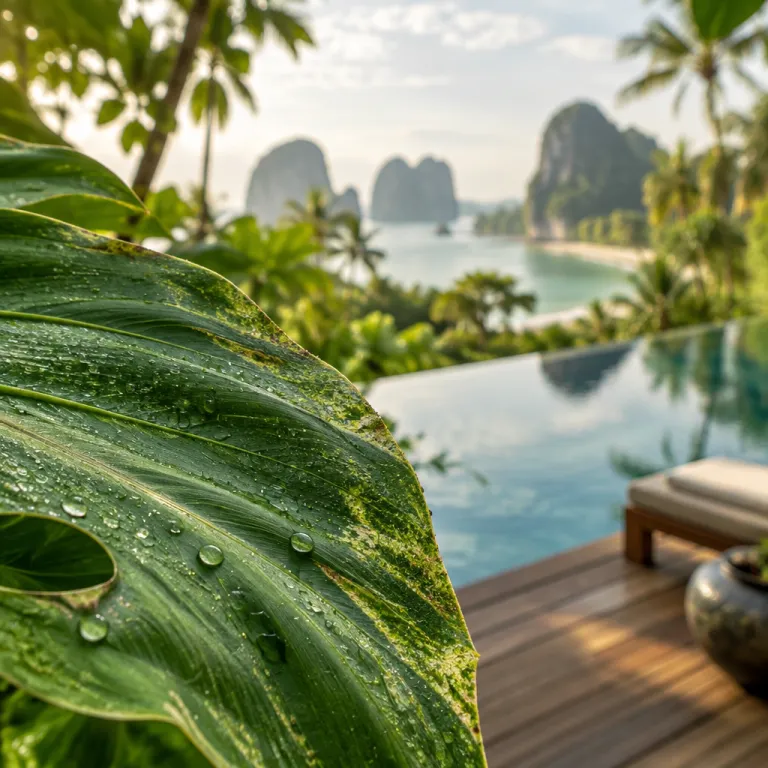
Reading responsible luxury tourism in Thailand beyond the glossy pledge
Responsible luxury tourism in Thailand starts long before you step into the lobby. When you book a hotel in Thailand for high end travel, you are quietly voting for the kind of tourism the country will host in the long term. On World Tourism Day, responsible travelers can turn that booking into a clear signal that sustainability, community engagement and environmental care matter as much as the thread count.
The gap between sustainability marketing and substance is wide in southeast Asia, and Thailand tourism is no exception. Many luxury hotels and resorts talk about eco values, yet only a fraction publish hard data on water use, energy mix, waste management or measurable conservation initiatives that support local communities. When a hotel in Thailand claims sustainable luxury credentials, ask for specifics on water conservation systems, locally sourced food, and how their responsible tourism programs actually benefit nearby villages or urban neighborhoods.
Look closely at how hotels Thailand wide describe their sustainability initiatives on booking pages. Vague references to being green or eco friendly without mentioning concrete responsible travel practices, such as grey water reuse, plastic free minibars or transparent waste management partnerships, should raise questions. A serious luxury resort will explain how it balances luxury travel expectations with sustainable tourism goals, from sourcing local materials to training staff in environmental standards that align with Thailand’s value over volume tourism strategy.
Visible versus invisible practices: what a guest can really check
Once you arrive at your chosen hotel Thailand property, the real audit of responsible luxury tourism in Thailand begins. Some elements of sustainable travel are visible, like refillable glass bottles of water in the room, native landscaping that supports conservation, or menus that clearly mark locally sourced ingredients from nearby farms and fisheries. Other practices sit behind the scenes, and this is where a discerning guest should feel empowered to ask direct, respectful questions.
Start with water and energy, because these define whether sustainability is more than a towel reuse card. Ask how the hotel manages water conservation in pools, gardens and guest rooms, and whether the resort uses smart irrigation, low flow fixtures or treated grey water for landscaping. In a coastal destination or in a dry season stay, responsible tourism means a luxury resort should be able to explain how its water systems protect local communities who share the same watershed, especially in areas where international visitors strain fragile infrastructure.
Waste management is another quiet test of sustainable tourism in Thailand hotels. You can see whether single use plastics still dominate the breakfast buffet, or whether composting and recycling are clearly labeled for both staff and travelers. For a deeper look at how Thailand tourism is formalizing standards, use tools like the country’s Certified Thai Hotels label, and read guides on how to interpret sustainability certifications when booking, such as this analysis of how to read Thai hotel eco labels when choosing a stay.
Thailand’s value over volume shift and why luxury guests carry extra weight
Thailand tourism authorities have been clear that the future lies in value over volume, and responsible luxury tourism in Thailand sits at the center of that pivot. Fewer rooms filled by higher spending luxury travel guests means each booking at hotels resorts across the country has outsized influence on sustainability standards. When international visitors choose hotels Thailand wide that invest in conservation and community engagement, they reward the operators who align with this national strategy.
In destinations like Hua Hin, Phuket or Chiang Mai, the contrast between responsible and extractive tourism is visible on the same stretch of sand or the same soi. One beachfront resort may run serious environmental initiatives, protect dunes and support marine conservation, while the neighbor still lights up the sea with wasteful night illumination and sends untreated water into the bay. Before you book that luxurious island escape, read in depth guides to beachfront hotels in Phuket Thailand that examine how each resort treats its coastline, such as this curated look at the finest beachfront hotels in Phuket for a luxurious yet responsible stay.
High end wellness retreats and urban hotels in Bangkok can also redefine what sustainable luxury means for solo travelers. A spa focused resort that uses locally sourced herbs, supports traditional healers and trains staff from nearby local communities creates a richer wellness experience than any imported product line. When you choose such a hotel in Thailand, you support responsible travel that keeps money circulating locally, encourages long term employment and turns luxury tourism into a stabilizing force rather than a seasonal extraction.
From towel cards to real impact: concrete asks for World Tourism Day
World Tourism Day is the perfect moment to raise the bar on responsible luxury tourism in Thailand, and that starts with the questions you send before you book. Email your shortlisted hotels resorts and ask for a one page summary of their sustainability initiatives, including water conservation, energy mix, waste management and community engagement programs. The properties that respond with clarity rather than slogans are usually the ones where responsible tourism is embedded in daily operations, not just in marketing copy.
Focus your questions on five pillars that shape sustainable travel in southeast Asia. First, sourcing : ask whether the hotel restaurants prioritize locally sourced produce, seafood and coffee, and how they manage seasonal menus to reduce environmental impact. Second, people : request information on local hiring, staff training, fair wages and partnerships with artisans or guides from nearby local communities, because this is where luxury tourism can either entrench inequality or create long term opportunity.
Third, environment : ask for specifics on eco design, water systems, biodiversity conservation and how the resort protects its immediate destination, from coral reefs to urban canals. Fourth, culture : inquire about respectful community engagement, support for local festivals and whether international visitors are introduced to etiquette that honors Thai traditions. Finally, transparency : look for hotels Thailand wide that publish annual sustainability reports, and read market analyses such as this piece on how Thailand’s tightening luxury market is reshaping responsible travel expectations, which helps you understand why fewer trophy properties and higher rates can actually support more sustainable luxury when managed with care.
Checklist: what to ask a Thai luxury hotel before you book
Use this concise checklist as you plan your next trip and want your stay to reflect responsible luxury tourism in Thailand. First, ask whether the hotel has a clear sustainability policy that covers water conservation, energy efficiency, waste management and environmental protection, and request recent examples of projects or measurable results. Second, check how the property supports local communities through hiring, training, sourcing and community engagement, and whether these programs run year round rather than only during high tourism seasons.
Third, look at food and beverage, because this is where sustainable luxury can be both delicious and impactful. Ask how much of the menu is locally sourced, whether seafood follows conservation guidelines, and how the hotel reduces food waste through smart portioning or donations. Fourth, explore wellness and experiences : find out whether spa treatments use local botanicals, whether guides are licensed locals, and how excursions are designed to minimize environmental impact while deepening your understanding of the destination.
Finally, consider the bigger picture of responsible travel in southeast Asia. Choose hotels Thailand wide that are transparent about their environmental footprint, that welcome questions from travelers and that see sustainability as a journey rather than a marketing badge. On World Tourism Day and every day, your choices in hotel Thailand bookings can nudge the market toward a version of luxury travel where tourism strengthens Thailand tourism, protects fragile ecosystems and leaves both hosts and guests better off in the long term.
FAQ: responsible luxury stays in Thailand
How can I quickly tell if a Thai luxury hotel is genuinely sustainable ?
Look for specific, verifiable information rather than broad green claims. Genuine responsible luxury tourism in Thailand usually includes published data on water use, waste management, energy sources and community programs, plus third party certifications that you can cross check. If a hotel answers detailed sustainability questions promptly and transparently, that is often a stronger sign than any logo on the website.
Does choosing a sustainable luxury resort mean compromising on comfort ?
In Thailand’s top hotels and resorts, sustainability usually enhances comfort rather than reducing it. Thoughtful design, better air flow, high quality locally sourced materials and seasonal menus often create a richer sense of place for travelers. Many guests find that responsible travel choices lead to quieter rooms, better food and more meaningful interactions with local communities.
What should I ask about water and waste before booking in Thailand ?
Ask how the hotel manages water conservation in pools, gardens and guest rooms, and whether grey water is reused for irrigation. Request details on waste management, including how they reduce single use plastics, handle recycling and manage food waste from restaurants and banquets. A responsible tourism focused property will usually have clear answers and be proud to share recent improvements.
Are eco certifications for hotels in Thailand reliable for luxury travelers ?
Certifications can be useful, but they vary in rigor and scope. Treat them as a starting point, then read how the hotel explains its sustainability initiatives in plain language and what independent audits or national labels it holds. Combining certifications with your own questions about conservation, community engagement and environmental impact gives a more accurate picture.
How can solo travelers have a positive impact when staying at Thai luxury hotels ?
Solo guests can choose hotels Thailand wide that prioritize sustainable tourism, then support on site initiatives by joining low impact excursions, respecting local customs and using resources mindfully. Opt for locally sourced dishes, book experiences led by local guides and give feedback that praises responsible practices. Over time, these choices signal to hotel management that sustainable luxury is not a niche preference but a core expectation.