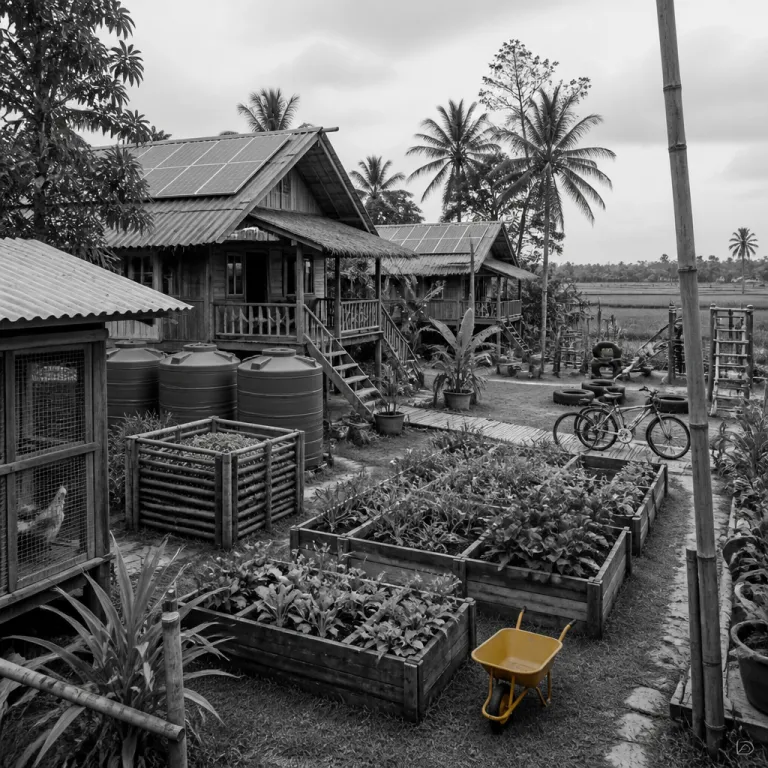
Why sustainable family hotels in Thailand work so well for children
Families choosing sustainable family hotels in Thailand are not only booking a room, they are choosing a learning environment. In a well run eco conscious resort in Thailand, every touchpoint from the refillable glass bottles to the composting station behind the kitchen becomes a talking point that even younger children can grasp. When a hotel team explains why the pool is filtered with salt rather than harsh chemicals, a simple swim turns into a quiet science lesson that feels like play.
Across Thailand, from Chiang Mai to Phuket and down to the jungle fringed coasts of Khao Lak, the best eco resorts are shifting from silent back of house initiatives to visible, family friendly practices. You see it in the way a resort spa uses herbs grown in an on site organic garden, or how a beach resort invites children to help staff collect washed up plastic before the afternoon tide. Parents who care about sustainable travel quickly notice that these eco friendly hotels Thailand wide tend to be smaller, closer to nature and more personal, which makes it easier for staff to explain what they are doing and why it matters.
Data from Green Pearls® points to at least 50 eco friendly hotels in Thailand, and many of these properties now design activities specifically for families. When a family friendly resort near a national park offers guided nature walks instead of a noisy arcade, children learn to listen for gibbons, spot hornbills and understand why khao sok or Khao Lak’s mangroves need protection. For parents, sustainable family hotels Thailand wide often deliver better value in real terms, because the memories come from shared experiences rather than from screens or branded plastic toys.
How to read sustainability labels and certifications as a family
On a premium booking website, sustainable family hotels Thailand wide often highlight eco labels, but parents need to translate those badges into real experiences for children. A resort that publishes its energy use, water treatment methods and waste policy is usually more eco conscious than one that only mentions a towel reuse card in the room. When you see a hotel in Thailand talking about partnerships with a local community or a nearby national park, you can expect more meaningful, family friendly activities on the ground.
Look for properties such as Baba Ecolodge, COMO Point Yamu or The Riverie by Katathani in Chiang Rai, which are cited as eco friendly hotels in Thailand with clear commitments to both environment and local people. On a booking page, that might appear as a dedicated sustainability tab, outlining how the resort spa sources ingredients, how the pool is treated and how the hotel supports nearby schools or conservation projects. When you compare these details with more conventional hotels Thailand offers, you will often find that the eco resorts provide richer, slower experiences that suit children who are curious rather than only seeking a kids club with screens.
Families used to superior rooms in European properties can apply the same critical eye here, and a guide to superior rooms that blend comfort and style translates surprisingly well to sustainable family hotels Thailand wide. Ask whether the room uses natural materials, whether the air conditioning is efficient and whether the balcony faces a garden, jungle or beach that children can observe. When a resort in Thailand is transparent about these choices, it signals a deeper eco friendly mindset that will likely show up in everything from breakfast sourcing to how the staff talk about wildlife.
Coastal eco resorts where the sea becomes the classroom
Along Thailand’s coasts, sustainable family hotels Thailand wide are turning the beach into a living laboratory for young travelers. In Phuket, properties such as Katathani Phuket Beach Resort and Pullman Phuket Karon Beach Resort have built reputations as friendly hotels that protect their stretch of sand while still offering a polished resort spa experience. Children can help staff monitor turtle nests, join early morning beach cleanups and learn why coral safe sunscreen matters more than another inflatable toy in the pool.
On the Andaman side, Khao Lak stands out for eco conscious resorts that sit between jungle and sea, giving families easy access to both reef and rainforest. Ramada Resort by Wyndham Khao Lak, for example, communicates its green initiatives clearly, so parents can explain to children how reduced plastic use on the beach resort terrace helps keep sea turtles and reef fish safer offshore. When you combine that with a kids club that runs mangrove walks instead of only indoor crafts, the result is a stay where eco friendly choices are visible, practical and woven into each day.
Further south and across the water, islands such as Koh Yao Yai and Koh Yao Noi offer a quieter alternative to busier Phuket, with eco resorts that lean into local culture and low impact design. A family friendly resort on Koh Yao might use long tail boats powered by efficient engines, serve fish bought directly from local families and invite children to plant seagrass that stabilizes the bay. For readers planning a coastal itinerary, our guide to the finest beachfront hotels in Phuket is a useful starting point, then you can filter for the best eco options that match your family’s pace.
Island stays in Koh Samui and beyond where nature leads the program
On the Gulf of Thailand side, sustainable family hotels Thailand wide cluster around Koh Samui and its smaller neighbours, where coconut groves meet coral reefs. Here, the best eco conscious resorts understand that families want both comfort and contact with nature, so they design villas and rooms that open directly onto gardens, jungle edges or quiet coves. When a child can step from the pool to a small organic patch where lemongrass and basil grow, the link between the resort spa’s herbal compress and the soil becomes tangible.
Properties such as Tongsai Bay on Koh Samui have long been held up as examples of how a resort can protect existing trees, manage grey water and still feel luxurious for a multi generation family. At some eco resorts on Koh Samui, children help staff feed rescued animals, learn to separate waste and join guided snorkelling trips that explain why certain coral gardens are off limits. Names like Senses Samui signal a focus on engaging all five senses, which for families means hearing cicadas at night, smelling frangipani by the pool and tasting fruit grown by local farmers rather than flown in from abroad.
Beyond Koh Samui, smaller islands such as Koh Tao and Koh Phangan also host eco friendly resorts, though families should check access, medical facilities and sea conditions carefully. A sustainable family hotel in Thailand on a quieter island might not have a formal kids club, but staff often improvise activities such as coconut leaf weaving or beach crab spotting that feel more authentic. When you compare these experiences with larger, more generic resorts, it becomes clear why many parents now search specifically for sustainable family hotels Thailand wide when planning a first big trip with children.
Jungle, elephants and national parks: where wellness and sustainability meet
Move inland and sustainable family hotels Thailand wide take on a different character, shaped by jungle, rivers and misty hills. In Chiang Mai and Chiang Rai, eco conscious hotels often sit near a national park, which allows families to swap poolside games for guided forest walks and birdwatching at dawn. When a local guide points out elephant tracks or explains how hill tribe communities manage their fields, children see that sustainability is not an abstract word but a daily practice.
Anantara Golden Triangle Elephant Camp & Resort near Chiang Rai is a strong example, combining a resort spa, family friendly suites and a serious commitment to elephant welfare. Here, the hotel implements eco friendly initiatives and supports elephant welfare, and children can observe these animals from a respectful distance rather than riding them. In southern Thailand, jungle lodges around Khao Sok National Park offer floating rooms on emerald lakes, where families paddle kayaks instead of using motorboats and learn why the rainforest’s health affects everything from local weather to the sea turtles they met on the coast.
In all these places, wellness is not only about a massage table but about time spent outdoors, breathing clean air and moving as a family. A sustainable resort in Thailand that replaces loud evening shows with stargazing or firefly spotting is quietly teaching children to value silence and darkness. For parents planning around school holidays and monsoon patterns, our guide to Thailand’s luxury hotel seasons helps you choose the best eco properties at the right moment, when trails are open and wildlife is most active.
Practical booking checklist for sustainable family hotels in Thailand
When you narrow your search to sustainable family hotels Thailand wide, a clear checklist keeps the process grounded. Start with location and ask whether the resort sits near a beach, jungle or national park where eco activities are possible without long transfers. Then look at the room types, checking that family suites or connecting rooms are available so children feel secure and parents still have space to breathe.
Next, read the sustainability section carefully and send a short email with specific questions about single use plastic, food sourcing and wildlife interaction policies. Ask whether the pool uses salt or chlorine, whether the resort spa offers treatments with local ingredients and whether the kids club, if there is one, runs nature based activities. When a hotel in Thailand replies with clear, concrete examples rather than vague marketing lines, you can be confident that eco friendly practices are embedded rather than added as an afterthought.
Finally, consider how your family will move through each day and how visible the eco practices will be to your children. A resort that invites guests to join staff in tending a garden, visiting a local school or planting mangroves will leave a deeper mark than one that only donates quietly in the background. As one common answer in sustainable travel FAQs puts it, “Baba Ecolodge, Anantara Golden Triangle, COMO Point Yamu.” are often cited together because they combine comfort, education and genuine care for place, which is exactly what you want when you choose sustainable family hotels Thailand wide.
Key figures on sustainable family hotels in Thailand
- At least 50 eco friendly hotels in Thailand are identified by Green Pearls®, indicating a critical mass of properties where sustainability is part of the core concept rather than a marketing add on.
- These 50 hotels are spread across multiple regions, from Phuket and Khao Lak to Chiang Rai and Chiang Mai, which allows families to combine beach, jungle and city stays within a single sustainable itinerary.
- Many of these eco resorts operate year round, giving families flexibility to travel outside peak holiday periods while still accessing full programs of nature based activities.
- The rise in sustainable tourism in Thailand has been accompanied by increased family participation in eco activities, meaning more children now engage in beach cleanups, mangrove planting and wildlife observation during their stays.
- Ongoing collaboration between hotels, local communities and environmental organizations is expected to increase awareness and adoption of sustainable practices among both Thai hosts and international guests.
FAQ about sustainable family stays in Thailand
What are some eco friendly family hotels in Thailand that suit children ?
Families often start with Baba Ecolodge on a long, quiet beach, Anantara Golden Triangle Elephant Camp & Resort near Chiang Rai and COMO Point Yamu overlooking Phang Nga Bay. These properties combine spacious rooms, pools and resort spa facilities with visible eco initiatives that staff are happy to explain to younger guests. All three are designed as family friendly environments where sustainability is part of the daily rhythm rather than a hidden back office project.
How do these hotels implement sustainability in ways children can see ?
These sustainable family hotels in Thailand use eco friendly facilities such as refill stations, waste separation points and organic gardens placed where guests naturally pass. They often run educational programs for children, including guided nature walks, animal welfare briefings and hands on activities like planting trees or helping with beach cleanups. Because the practices are visible and interactive, children quickly understand how their choices affect the local environment.
Are eco resorts in Thailand suitable for younger children and multi generation trips ?
Most eco resorts that position themselves as family friendly offer flexible room configurations, shallow areas in the pool and gentle activities suitable for younger children. Grandparents often appreciate the quieter atmosphere, the focus on wellness and the chance to join soft adventure outings such as boat trips or short jungle walks. When you book, check that the hotel can provide cots, high chairs and, if needed, babysitting so adults can enjoy the resort spa or a quiet dinner.
What questions should parents ask before booking a sustainable family hotel in Thailand ?
Parents should ask about single use plastic policies, including whether the hotel still uses plastic bottles in rooms or at the pool bar. It is also worth checking how the property sources food, whether it supports local farmers and fishers and what standards it follows for wildlife interactions, especially around elephants and marine life. Finally, ask how children can participate in eco activities, because the best eco conscious resorts will have age appropriate options ready to share.
Can choosing a sustainable hotel really change a child’s attitude to travel and nature ?
Staying in a sustainable family hotel in Thailand can be a turning point for many children, because they see cause and effect up close. When they help plant mangroves, release fish fry or watch rescued elephants from a respectful distance, they understand that travel can support rather than damage fragile places. Those experiences often resurface in school projects and family conversations long after the trip, shaping how they think about future journeys.