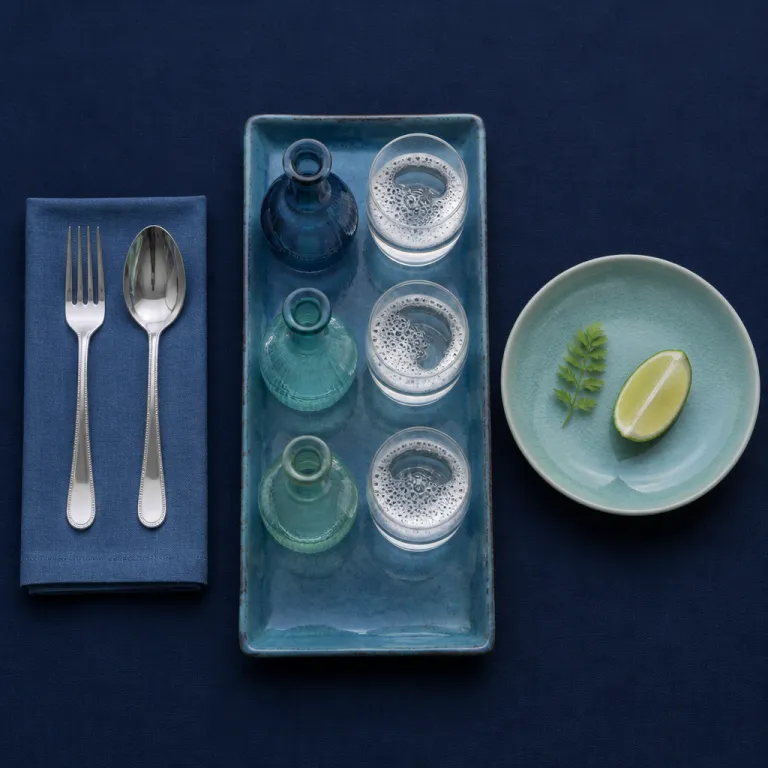
Water Library Chamchuri and the evolution of Bangkok hotel gastronomy
TL;DR: Water Library Chamchuri (2009–2023) set a new benchmark for fine dining in Bangkok with its mineral water and wine pairings, chef-driven tasting menus and hotel-level service inside Chamchuri Square. Its closure and consolidation into Water Library Central Embassy reshaped how luxury hotels think about gastronomy, beverage programs and location.
Water Library Chamchuri once set a precise benchmark for fine dining in Bangkok. The original Water Library restaurant at Chamchuri Square on Phaya Thai Road in Pathumwan showed how a hotel-level experience could exist inside an office and retail complex, then influence luxury properties across the city. For travellers choosing a premium hotel today, understanding what made Water Library Chamchuri exceptional helps you read between the lines of every tasting menu and wine list you encounter.
The original Water Library Chamchuri concept revolved around pairing mineral water and wine with contemporary European food, long before such pairings became common in Bangkok hotels. Guests stepped from the busy Thai road into a calm, library-like dining room, where shelves of water and wine framed the open kitchen and the chef team worked with almost surgical focus. That contrast between the city outside and the composed restaurant inside is exactly what many luxury hotel guests now expect when they book a room with a serious gastronomic agenda.
Located on the second floor of Chamchuri Square, the Water Library Chamchuri restaurant was a short ride from many five-star hotels along Phaya Thai and Rama IV. Hotel concierges regularly sent guests there for a fine dining experience that felt both intimate and cosmopolitan, and the time spent at Water Library often became the culinary highlight of a Bangkok stay. When you evaluate hotel restaurants today, look for that same balance of technical precision, relaxed service, and a menu that respects both French technique and Thai produce.
Water Library Chamchuri closed in 2023 as part of a strategic consolidation, with its team absorbed into the Central Embassy branch to elevate the fine dining offer there. A statement from the group at the time emphasised a desire to “concentrate expertise in a single flagship” and invest in renovation rather than operate multiple similar venues. Time Out Bangkok’s 2023 closure profile and the Water Library group’s own social media announcements both confirm the end of service at Chamchuri Square and the transfer of staff to Central Embassy.
If you stay near Central Embassy, you still access the spirit of the original Water Library through its wine program, mineral water selection, and the disciplined service culture that began at Water Library Chamchuri. The story of the Chamchuri branch also matters because it shows how independent restaurants can shape hotel standards. Many Bangkok hotel chefs quietly studied its tasting menu structure, its approach to French cheese service, and its use of truffle butter and foie gras in a tropical climate.
When you see a hotel promoting a pan-seared foie gras dish or a curated “water library” style trolley, you are often seeing a direct echo of the Chamchuri Square pioneer. For travellers planning a stay in Bangkok, using Water Library Chamchuri as a reference point helps you filter marketing claims. A hotel that talks about fine dining but offers a generic menu without a clear point of view will feel flat compared with the original Water Library, where every plate, glass of wine, and bottle of water told a coherent story.
Ask your hotel about the background of its chef, the structure of its tasting menus, and whether its sommelier can design pairings with both wine and mineral water, just as the team once did at Water Library Chamchuri. The more specific and confident the answers, the more likely you are to find a dining room that lives up to the city’s best independent restaurants.
Chef Mirco Keller, Tim Raue and the chef driven hotel experience
At the heart of Water Library Chamchuri stood chef Mirco Keller, a German chef de cuisine whose training with Tim Raue in Berlin shaped the restaurant’s precise yet playful style. Interviews with Keller in Bangkok food media repeatedly mention Raue’s influence, especially in the way acidity, spice and texture were used to keep rich dishes light. When you book a luxury hotel in Bangkok today, looking at the chef’s background in the main dining restaurant tells you almost as much as the room photos.
A property that recruits a chef with similar depth of experience is signalling that gastronomy is central to its identity, not an afterthought. Chef Mirco Keller brought techniques from Restaurant Tim Raue in Berlin and adapted them to the Bangkok climate, working with foie gras, truffle and French sauces while respecting Thai herbs and seafood. His pan-seared Périgord foie gras became a reference dish, often paired with a glass of cool white wine and a carefully chosen mineral water to refresh the palate.
When you see a hotel restaurant referencing Périgord foie or a similar foie gras preparation, you can often trace the inspiration back to the Water Library Chamchuri kitchen. The collaboration between chef Mirco and founder Pote Lee, a global publisher and local wine and water importer, created a rare synergy between cellar and stove. Lee’s background as an importer meant that the Water Library wine list and water selection were designed in tandem with the food menu, rather than added later as a commercial layer.
This partnership produced one of Bangkok’s first truly integrated beverage programs, where the sommelier and kitchen planned seasonal menus together. Luxury hotels that now promote a serious water library or an extensive wine cellar are following a template that Water Library Chamchuri helped to define. For hotel guests, this chef-driven model changes how you plan an itinerary in Bangkok. Instead of treating the hotel restaurant as a backup option, you can build your evenings around a tasting menu, then use the concierge to secure seats at other chef-led tables across the city.
Articles such as Bangkok’s quiet hotel kitchens and the chefs reshaping Thai fine dining show how many properties now compete directly with independent venues like the former Water Library Chamchuri. When you evaluate a hotel, ask specific questions about the chef’s mentors and previous kitchens. A background that includes time in Michelin Guide–listed restaurants, or experience with chefs like Tim Raue, usually translates into a more coherent tasting menu and better training for the service team.
This level of detail matters if you plan to celebrate an anniversary, host clients, or simply want one unforgettable fine dining evening during your stay. Water Library Chamchuri’s closure did not end its influence; it redistributed talent across Bangkok’s high-end dining scene. Several alumni now lead hotel kitchens, bringing with them a respect for precise seasoning, controlled use of truffle, and a disciplined approach to timing each course.
When a hotel highlights that its chef once worked at Water Library or under chef Mirco Keller, you can book with confidence that the gastronomic side of your trip is in capable hands. In practice, this might mean a hotel flagship restaurant where the tasting menu reads like a narrative, the wine pairings feel intuitive rather than forced, and the service team moves with the quiet assurance that once defined the Chamchuri dining room.
Tasting menus, wine pairings and how to read a hotel restaurant offer
One of the most valuable lessons from Water Library Chamchuri is how to interpret a tasting menu when you are choosing a hotel. At Chamchuri Square, the tasting menu was not just a list of dishes; it was a narrative that moved from lighter, water-friendly courses to richer plates built around foie gras, truffle butter and French cheese. When you see a hotel restaurant offering a similar progression, it usually indicates a kitchen that understands pacing, portion size and the time a guest wants to spend at the table.
Look for clear structure in the menu, with options for both à la carte food and a full tasting menu that can be paired with wine or mineral water. At Water Library Chamchuri, the sommelier often suggested a glass of Yarra Valley Chardonnay with pan-seared seafood, then a more opulent wine with Périgord foie gras, always balancing richness with freshness. A hotel that offers thoughtful pairings like Yarra Valley whites or German Rieslings alongside a curated water library is signalling that it takes both pleasure and comfort seriously.
Cheese service is another subtle indicator of quality that Water Library Chamchuri helped to popularise in Bangkok. The restaurant treated French cheese with the same respect as its foie gras, presenting it at the correct temperature and suggesting both wine and mineral water matches. When a hotel restaurant offers a cheese trolley or a dedicated cheese course, you can expect a more European-style fine dining experience that still fits the tropical setting.
For travellers who enjoy culinary exploration, combining hotel restaurants with independent venues creates a richer picture of Bangkok. You might dine one evening at your hotel’s flagship dining restaurant, then the next at a chef-led venue that shares Water Library Chamchuri’s DNA, before ending with a relaxed meal that celebrates Thai street heritage. Guides such as how Thai hotel chefs bring street heritage onto the verandah show how many properties now blend refined technique with local flavours.
When reading online menus, pay attention to how often ingredients like truffle, foie gras and caviar appear. At Water Library Chamchuri, these luxury products were used sparingly and intelligently, often in one or two key dishes such as a pan-seared foie gras with truffle butter, rather than scattered across the entire menu. A hotel restaurant that follows this restrained approach usually delivers a more balanced and memorable meal than one that overloads every plate with expensive garnishes.
Finally, consider the length of the tasting menu and the suggested time for the experience. Water Library Chamchuri typically guided guests through a multi-course journey that lasted several hours, with the team carefully managing the rhythm between courses. When a hotel states a clear expected time for its tasting menu and offers flexibility for earlier or later seatings, it shows the same respect for your evening that once defined the service at Water Library Chamchuri.
If you are travelling with children, on business, or planning a late-night drink afterwards, this clarity around timing becomes even more important. It allows you to enjoy the full arc of the meal—aperitif, courses, cheese and dessert—without feeling rushed or exhausted.
Location, logistics and how Water Library Chamchuri shaped hotel choices
The physical setting of Water Library Chamchuri at Chamchuri Square on Phaya Thai Road influenced how travellers moved through Bangkok. Many guests staying in luxury hotels along the central Thai road corridors chose properties partly because they offered easy access to this landmark restaurant. When planning your own trip, mapping the distance between your hotel and key dining addresses remains one of the smartest ways to design a stress-free itinerary.
Chamchuri Square sits in the Pathumwan district, a zone dense with offices, universities and transport links, which made Water Library Chamchuri a convenient meeting point for both locals and visitors. Guests could leave their hotel, travel a short distance along Phaya Thai or Rama IV, and arrive at a calm dining restaurant where the noise of Bangkok faded behind the glass. Today, when you select a hotel, consider whether its location offers similar proximity to the city’s most respected fine dining rooms, including the current Water Library branch at Central Embassy.
Transport time matters because a multi-course tasting menu demands focus and energy. After a long day exploring temples or taking a slow river journey, such as those described in guides to northern river journeys you can still do slowly, you may not want to cross the entire city for dinner. Choosing a hotel near your target restaurants, or near efficient transit lines that connect to Pathumwan and Phaya Thai, allows you to arrive relaxed and ready to enjoy each course.
Water Library Chamchuri also demonstrated how a restaurant can become an anchor for a neighbourhood, subtly influencing which hotels thrive nearby. Properties that could point to the restaurant as a local highlight often enjoyed higher appeal among gastronomic travellers, especially those who valued fine dining as much as spa facilities or pool design. When you research hotels now, look for similar anchors, whether they are Michelin Guide–listed venues, respected wine bars or chef-led Thai restaurants.
The closure of Water Library Chamchuri shifted this gravitational pull towards Central Embassy, where the group concentrated its fine dining operations. For guests, this means that staying near Ploenchit or Chidlom now offers easier access to the Water Library experience, while Pathumwan remains attractive for its mix of shopping, culture and other independent restaurants. Understanding this evolution helps you decide whether to prioritise direct access to a specific dining room or a broader cluster of food options.
When you evaluate hotel websites, pay attention to how they describe nearby restaurants and whether they mention former icons like Water Library Chamchuri. A property that acknowledges the city’s dining history, including the role of the Chamchuri branch on Phaya Thai Road, usually has a more informed concierge team and better relationships with leading chefs. This network can translate into priority reservations, tailored tasting menus and thoughtful wine pairings that elevate your entire stay.
From water and wine to full sensory hospitality in Thai hotels
One of the most distinctive aspects of Water Library Chamchuri was its almost scholarly focus on water and wine. The restaurant treated mineral water with the same respect as grand cru bottles, offering a curated water library that allowed guests to compare textures, origins and levels of minerality. This approach has quietly influenced how many luxury hotels in Bangkok now design their beverage programs and train their staff.
In several high-end properties, you will now find water lists that reference specific springs, including European sources and regions such as the Yarra Valley, alongside extensive wine selections. While not every hotel uses the term “water library”, the concept of pairing different mineral waters with courses, especially rich dishes like foie gras or truffle butter sauces, clearly echoes the practices developed at Water Library Chamchuri. For guests who prefer low-alcohol or non-alcoholic options, this attention to water transforms the meal into a full tasting experience rather than a compromise.
Wine service has evolved in parallel, with many hotel restaurants now offering pairing flights that mirror the structure once seen at Water Library Chamchuri. You might begin with a crisp white wine alongside a delicate seafood course, move to a more textured Yarra Valley Chardonnay with pan-seared fish, then finish with a complex red that stands up to Périgord foie gras or aged French cheese. When a hotel sommelier speaks confidently about these combinations and suggests mineral water pairings as well, you are benefiting from a decade of quiet innovation that started in Chamchuri Square.
The sensory experience extends beyond taste into sound, light and pacing, all areas where Water Library Chamchuri set subtle standards. The restaurant’s controlled acoustics, warm but focused lighting and carefully measured time between courses created an atmosphere that many guests now unconsciously expect from top-tier hotel dining rooms. When you tour a property or study photos online, look for similar cues; a calm, well-lit dining restaurant usually signals a management team that understands how environment shapes flavour perception.
For travellers who care about wellness as much as indulgence, the Water Library model offers a useful template. Alternating richer dishes such as foie gras or truffle butter pastas with lighter, water-friendly plates and carefully chosen mineral waters allows you to enjoy fine dining without leaving the table feeling heavy. Hotels that adopt this philosophy often highlight hydration, balanced menus and flexible portion sizes, making them ideal bases for longer stays in Bangkok.
When you speak with hotel staff, do not hesitate to ask whether their beverage program was influenced by Water Library or similar European-inspired restaurants. A positive answer suggests that the team has thought deeply about how water, wine and food interact, rather than treating drinks as a simple upsell. This level of intention, first showcased at Water Library Chamchuri, is one of the clearest markers of a property that takes hospitality seriously from breakfast through the final glass of wine at night.
How to use the Water Library Chamchuri legacy when booking your hotel
For travellers planning a luxury stay in Bangkok, the legacy of Water Library Chamchuri offers a practical checklist. Start by examining whether the hotel’s main dining restaurant presents a clear culinary identity, as Water Library once did with its European-leaning menu and precise service. A vague description that simply mentions international food or fusion usually indicates a less focused experience than the one guests enjoyed at Chamchuri Square.
Next, study the chef’s profile and the restaurant’s relationship with the wider dining scene. A property that proudly notes experience with Michelin Guide–listed kitchens, or mentions time spent with chefs like Tim Raue or Mirco Keller, is signalling a commitment to serious gastronomy. This background often translates into thoughtful tasting menus, intelligent use of luxury ingredients such as truffle and foie gras, and a wine list that goes beyond generic labels.
Pay attention to how the hotel talks about beverages, especially water and wine. References to a curated water library, mineral water pairings or a sommelier-led program suggest that the property has absorbed lessons from Water Library Chamchuri and similar pioneers. When you see mentions of regions like the Yarra Valley, or specific techniques such as pairing pan-seared foie gras with both wine and water, you can expect a more nuanced dining experience.
Location remains a crucial factor, just as it did when guests chose hotels near Chamchuri Square to be close to Water Library. Consider whether your chosen property offers easy access to current fine dining hotspots, including the Water Library branch at Central Embassy and other chef-led venues across Pathumwan and beyond. A short ride along Phaya Thai Road or another central Thai road can make the difference between a rushed dinner and a relaxed evening that becomes the highlight of your trip.
Finally, look for signs that the hotel understands the rhythm of a guest’s day, from breakfast through late-night drinks. Water Library Chamchuri excelled at managing time, pacing its tasting menus so that guests could enjoy multiple courses without fatigue, and this sensitivity is now visible in many of the city’s best hotel restaurants. When a property offers flexible seating times, pre-theatre menus and the option to tailor the length of your meal, it is applying the same guest-centric thinking that once defined the Chamchuri dining room.
By using Water Library Chamchuri as a benchmark, you transform hotel research from a superficial scan of photos into a deeper evaluation of how each property treats food, wine and water. This approach helps you choose a base in Bangkok where every meal, from a simple lunch to a full fine dining evening, feels as carefully considered as the rooms and public spaces. In a city where gastronomy evolves quickly, the enduring influence of Water Library ensures that informed guests can still find experiences worthy of a special journey.
Industry insight and the future of fine dining in Bangkok hotels
The closure of Water Library Chamchuri marked a turning point in Bangkok’s fine dining landscape, but it also signalled a strategic shift rather than a retreat. By consolidating operations and absorbing the Chamchuri team into the Central Embassy branch, the group aimed to concentrate expertise and enhance the overall dining experience. For hotel guests, this means that the spirit of the original restaurant now lives in a setting even more closely linked to luxury accommodation.
Industry observers note that Water Library Chamchuri operated for fourteen years, a significant duration in a competitive market where many restaurants close within a few seasons. This longevity allowed the team to refine its approach to tasting menus, wine and mineral water pairings, and the use of ingredients such as truffle, foie gras and French cheese in a tropical environment. Hotels that now launch ambitious dining restaurants often study this history, adopting elements such as controlled portion sizes, precise timing and a balance between European technique and Thai produce.
The consolidation also reflects a broader trend in which high-end dining gravitates towards mixed-use developments and luxury malls connected to major hotels. Central Embassy, where the Water Library group now focuses its fine dining efforts, sits at the intersection of several premium properties, making it easier for guests to integrate a tasting menu into their stay. This model contrasts with the earlier era when destinations like Chamchuri Square on Phaya Thai Road served as standalone magnets that drew diners away from their hotels.
For travellers, the key takeaway is that the line between independent restaurants and hotel dining rooms continues to blur. Chefs who once worked at Water Library Chamchuri or trained under Mirco Keller and Tim Raue now lead kitchens inside major hotels, bringing with them a respect for ingredients like Périgord foie gras, truffle butter and carefully selected wine from regions such as the Yarra Valley. When you book a room, you are increasingly booking access to this network of talent, not just a bed and a view.
Looking ahead, expect more hotels to invest in beverage programs that echo the original Water Library focus on water and wine. Curated mineral water lists, structured wine flights and thoughtful non-alcoholic pairings will become standard in the upper tier of Bangkok hospitality, especially in properties that court gastronomic travellers. As guests grow more knowledgeable, they will continue to use benchmarks like Water Library Chamchuri to judge whether a new opening offers genuine fine dining or simply the appearance of it.
For now, the best strategy is to combine careful research with on-the-ground curiosity. Read menus, study chef biographies, and ask concierges which restaurants they personally respect, including any that trace their lineage back to Water Library Chamchuri. By doing so, you ensure that your time in Bangkok includes meals that honour the city’s culinary history while embracing the new directions that its chefs and hoteliers are pursuing.
Key figures and milestones in the Water Library Chamchuri story
- Water Library Chamchuri operated for fourteen years in Chamchuri Square, a longevity that positioned it as one of Bangkok’s most enduring fine dining references during a period when many high-end venues changed concepts within a few years (source: Time Out Bangkok, 2023 profile of the closure).
- The restaurant’s location on the second floor of Chamchuri Square, directly on Phaya Thai Road in the Pathumwan district, placed it within a short drive of dozens of luxury and premium hotels, making it a regular recommendation from concierges across central Bangkok.
- Following the strategic consolidation of operations, the full Chamchuri team was absorbed into the Central Embassy branch, concentrating expertise and service standards in a single flagship that now serves hotel guests connected to that luxury mall.
- The Water Library group’s decision to focus on enhancing the fine dining experience at Central Embassy reflects a broader industry trend in Bangkok, where high-end restaurants increasingly cluster inside or adjacent to mixed-use developments linked with premium hotels.
FAQ about Water Library Chamchuri and Bangkok hotel dining
Why did Water Library Chamchuri close and where can I go instead?
Water Library Chamchuri closed as part of a strategic consolidation designed to improve service quality and optimise resources across the group. The Chamchuri team was absorbed into the Central Embassy branch, which now serves as the flagship for the Water Library fine dining experience. If you want a similar level of cuisine and service during your Bangkok stay, book a table at the Central Embassy location.
How did Water Library Chamchuri influence luxury hotel restaurants in Bangkok?
The restaurant set early standards for tasting menus, wine and mineral water pairings, and the intelligent use of ingredients such as truffle, foie gras and French cheese. Many hotel chefs and managers dined there, then adapted its ideas about pacing, portion size and beverage curation to their own properties. As a result, several of today’s leading hotel dining rooms echo the structure and atmosphere that guests once experienced at Water Library Chamchuri.
Is there still a Water Library restaurant I can visit during my trip?
Yes, the Water Library group continues to operate a fine dining restaurant at Central Embassy in Bangkok. This branch absorbed the Chamchuri team and benefits from ongoing investment in renovation and service enhancement. Travellers staying in nearby hotels can easily integrate a tasting menu there into their itinerary.
What should I look for in a hotel if I value the Water Library style of dining?
Focus on properties that highlight a chef with strong European training, ideally with experience in Michelin Guide–listed kitchens or with mentors such as Tim Raue or Mirco Keller. Check whether the main restaurant offers structured tasting menus, a serious wine list and some form of curated water or mineral water program. Location near Central Embassy or other fine dining clusters will also make it easier to access restaurants that share the Water Library philosophy.
Can I still experience dishes similar to those served at Water Library Chamchuri?
While the original Chamchuri Square restaurant has closed, many of its signature ideas live on at the Central Embassy branch and in hotel restaurants led by former team members. Look for menus that feature pan-seared foie gras, Périgord foie preparations, truffle butter sauces and carefully curated French cheese selections. When these dishes are paired with thoughtful wine and water choices, you are tasting the ongoing influence of Water Library Chamchuri in Bangkok’s luxury dining scene.